Become a Pilot in the UK: Find the Cheapest Route for You

Become a Pilot in the UK: Find the Cheapest Route for You

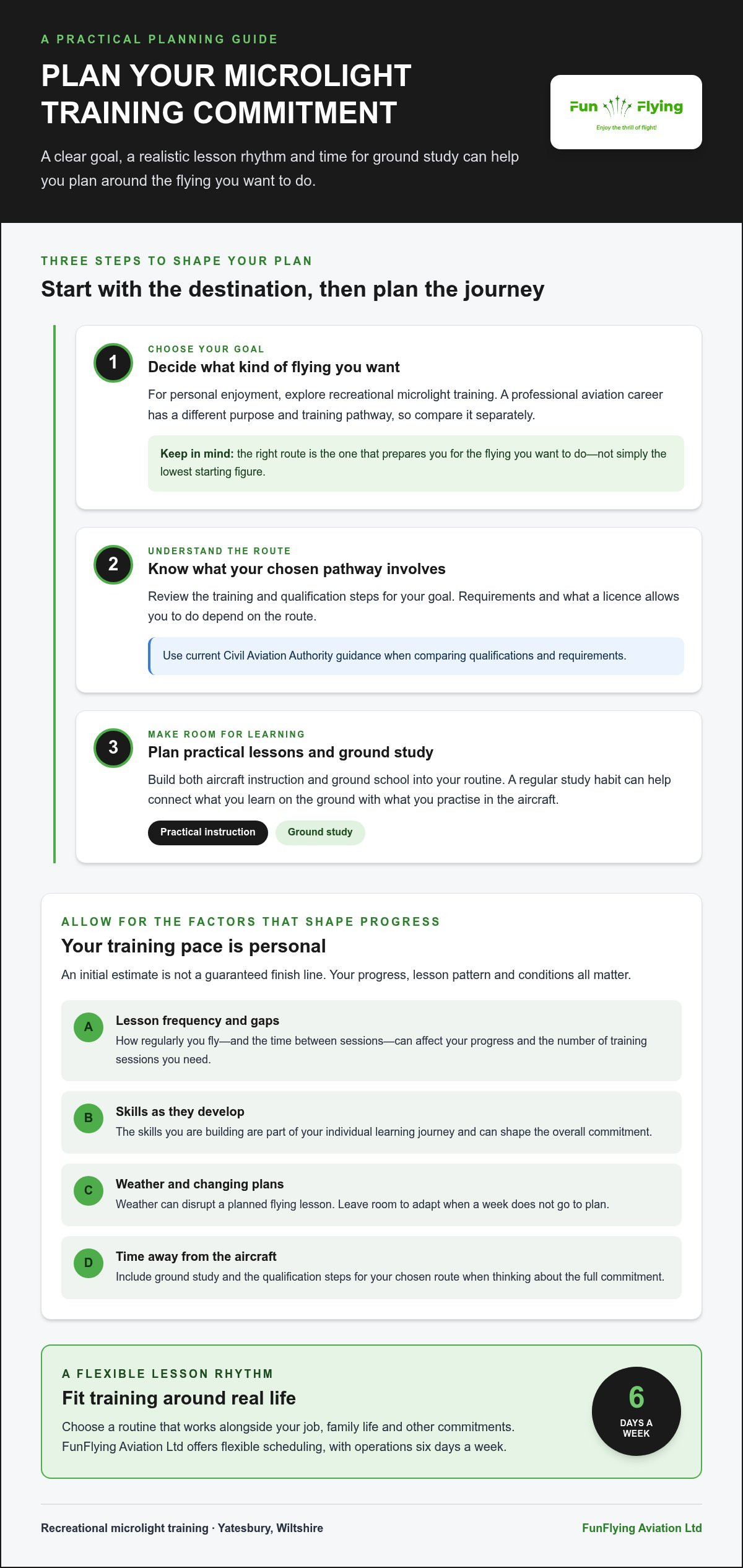
If you’re searching for the “become a pilot UK cheapest route”, start by deciding what kind of flying you want to do. Recreational microlight flying and a professional aviation career involve different training pathways, so their costs and commitments are not like for like.

Look beyond an advertised starting figure. The aircraft you train in, how regularly you fly and the time you set aside for ground study all affect your training journey. This guide explains how to compare recreational routes and plan around your goals, schedule and budget.

If microlight flying sounds like your kind of adventure, you can start in Wiltshire. At the Wiltshire Microlight Centre in Yatesbury, Fun Flying Aviation Ltd provides microlight training and ground school. You take control of the aircraft from your first lesson under instructor supervision, with flexible scheduling to fit around busy lives.

Key Takeaways

  • The right route depends on your goal: recreational microlight flying and a professional aviation career require different training pathways.
  • To find the become a pilot UK cheapest route for you, compare what each option prepares you to do, not just its headline price.
  • Plan for lesson continuity, personal progress, weather and ground study, as well as the training requirements for your chosen route.
  • If you’re near Swindon, Bristol or Newbury, consider whether Yatesbury is a practical base for microlight training.

What does the cheapest route to become a pilot in the UK really mean?

The lowest-cost option on paper isn’t automatically the best value. A route makes sense when it prepares you for the flying you want to do. First, decide whether you want to enjoy recreational flights in a microlight or pursue a professional aviation career. These are different ambitions, with different training pathways, so comparing them as if they were interchangeable can lead you in the wrong direction.

Your overall commitment depends on more than the route’s headline requirements. It also depends on how your skills develop, how regularly you can take lessons and how much time you devote to learning away from the aircraft. When comparing options, consider how each one fits your routine and what it prepares you to do. Gaps between lessons may affect your progress, so a realistic plan is more useful than choosing by an initial figure alone.

Are you aiming to fly for fun or pursue a flying career?

Start with the kind of flying you picture yourself doing. If you want to fly a microlight for enjoyment, recreational microlight training is the relevant route to explore. If your aim is professional flying, look into a career-focused pathway designed for that goal, or discover Florida Flyers Flight Academy to explore commercial pilot licence options and costs. The two routes have different purposes and should be assessed separately.

The Pilot licensing in the UK overview introduces different licence routes, including microlights. For a practical first step towards recreational flying, explore learning to fly a microlight. Ground study is part of building your knowledge alongside practical lessons, so consider how you’ll fit both into your routine.

In short, the become a pilot UK cheapest route depends on what “become a pilot” means to you. Define your destination, then compare the training requirements and the time and effort involved. That helps you focus on the flying that excites you, rather than a pathway that doesn’t match your ambitions.

Why microlight training may suit a recreational pilot in the UK

If you want to enjoy flying microlight aircraft, training for recreational microlight flying is a natural place to focus. The aim isn’t to choose a route because it sounds quicker or less involved. It’s to learn the skills and knowledge that relate to the flying you want to do. A career-focused pathway has a different objective, so compare each option by what it prepares you for.

What does microlight training involve?

Learning combines practical instruction in the aircraft with ground study, which builds your understanding beyond the controls and the view from the cockpit. At FunFlying Aviation Ltd, lessons are hands-on: from your first lesson, you take control of the aircraft under instructor supervision. Ground school supports your practical experience and helps you develop knowledge as your flying progresses. The British Microlight Aircraft Association also offers information for people exploring microlighting in the UK.

How is a recreational route different from professional training?

Recreational microlight training is designed for people learning to fly for personal enjoyment. Professional training has a career objective and follows a different pathway. Licence privileges, meaning what a particular licence allows you to do, and training requirements depend on the route. Use current Civil Aviation Authority guidance when comparing qualifications and their requirements.

If you’re weighing microlight training against a professional aim, how to learn to fly a microlight explains how training fits a recreational goal. Start with the aircraft you want to fly, then make sure the route you’re considering is designed for that outcome.

How to keep UK pilot training costs manageable without cutting corners

A sensible budget starts with a clear plan, not a shortcut. The become a pilot UK cheapest route for you depends on matching your ambition to the right training and allowing for how learning unfolds. Before setting expectations, work through these steps:

  1. Define your goal. Decide what kind of flying you want to do and which aircraft you want to learn in.
  2. Understand the route. Review the training and qualification steps for that goal, using current guidance for the relevant route.
  3. Plan lessons and study. Make room in your routine for practical instruction and ground school, not just time in the aircraft.

Which factors affect the overall training commitment?

Your progress is personal. Lesson frequency, the time between sessions and the skills you’re developing can all affect how many training sessions you need. Weather can also disrupt a planned flying lesson, so don’t treat a minimum or initial estimate as a guaranteed finish line. Include ground study and the qualification steps for your chosen route when planning the full commitment.

Ground study gives context to practical flying and helps you build knowledge alongside your handling skills. A regular study routine can help you connect what you learn on the ground with what you practise in the aircraft. Explore the microlight ground school and training guide as you plan.

How can flexible scheduling help you stay on track?

Choose a lesson rhythm that works alongside your job, family life and other commitments. A realistic routine is more useful than an ambitious one that’s hard to maintain. FunFlying Aviation Ltd offers flexible scheduling, with operations six days a week, to help lessons fit around busy lives. Weather and personal progress still shape the pace, so leave room to adapt when a week doesn’t go to plan.
Explore microlight flight training

Become a Pilot in the UK: Find the Cheapest Route for You

Starting microlight pilot training near Wiltshire: your next steps

Fun Flying Aviation Ltd provides recreational microlight training in Yatesbury. If you’re in Swindon, Bristol, Newbury, Reading, Basingstoke, Andover, Bournemouth or Portsmouth, think about how the journey to Yatesbury would fit into your routine, especially if you plan to fly regularly. Factoring in travel alongside work and other commitments can help you choose a realistic lesson pattern.

What can you expect from your first step at Yatesbury?

An introductory flight lets you experience microlight flying before deciding whether to begin a full training programme. It’s a flying experience in its own right, with the chance to take the controls under professional supervision. If you decide you want to learn, you can explore the structured training route and consider how it fits your goals and everyday routine.

You can choose a first step that suits you. If you’re ready to learn, explore the training route and what it involves. If you’d rather experience a flight first, book an introductory flight. Either way, you’ll have a clearer idea of what you want from flying.

Where can you explore the microlight training route?

As you consider the become a pilot UK cheapest route, keep your focus on recreational microlight flying and the training that supports that goal. Look at how practical instruction and ground study fit into your plans, then consider whether travelling to Yatesbury works for you. A route needs to feel manageable in everyday life, not just on paper.

Explore the microlight training route and take a relaxed first step towards flying.

Take your next step towards the skies

You don’t need to have every detail of your flying future mapped out before taking a first step. Turn the ambition into a practical decision: what would you most enjoy learning to fly, and what would make training fit your life? Keeping your personal goal in view helps you compare routes on more than a headline figure.

The become a pilot UK cheapest route question is easier to answer when it’s tied to the flying you actually want to do. If microlights capture your imagination, learning about the training route can help you picture what’s involved. You can take the next step at your own pace, with a clearer sense of what you’re working towards.

Explore microlight pilot training

Your first step towards the skies can be a small one. Explore microlight training with FunFlying Aviation Ltd and discover whether this route is right for you.

Frequently Asked Questions

What is the cheapest way to learn to fly in the UK?

For recreational flying, microlight training is a route to consider if microlights are what you want to fly. The become a pilot UK cheapest route depends on your aircraft and qualification goal, so compare what each training pathway covers rather than choosing based on an introductory offer alone. Professional flying has a separate training pathway; check current Civil Aviation Authority guidance for the requirements that apply.

Can you become a pilot in the UK without spending a fortune?

You can make the commitment more manageable by focusing on the kind of flying you want to do and planning training around your budget. For example, if you want to fly microlights recreationally, explore training for that goal rather than a career-focused pathway. Set aside time for study as well as flying, and don’t assume an initial estimate covers every step.

Is microlight training cheaper than PPL training in the UK?

Microlight training and PPL training prepare you for different types of flying, so compare the purpose and qualification requirements of each route rather than treating them as interchangeable. Your overall commitment also depends on your progress and lesson pattern. FunFlying Aviation Ltd provides microlight training and ground school.

How long does it take to become a microlight pilot in the UK?

There’s no set calendar time that applies to every student. Your progress, how regularly you can fly, the weather and the requirements for your chosen qualification all play a part. Someone with a steady lesson routine may progress at a different pace from someone whose work or family commitments create longer gaps. Treat any timeline as personal, not as a guaranteed completion date.

Where can I learn to fly a microlight near Swindon?

FunFlying Aviation Ltd provides microlight training at the Wiltshire Microlight Centre in Yatesbury, a local option for people based in Swindon. The centre is also relevant to people travelling from Bristol, Newbury, Reading, Basingstoke, Andover, Bournemouth or Portsmouth. Consider how regularly you can make the journey, then explore the training route or start with an introductory flight.
Marce Colucci

Article by

Marce Colucci

Love to fly, and more importantly, love teaching others to fly.

Recreational Flying UK: Find Your Way Into the Sky

Recreational Flying UK: Find Your Way Into the Sky

What if your first step into the sky didn’t mean signing up for months of lessons? An introductory flight lets you experience microlight flying and try the controls with an instructor, while leaving the decision about training for later. It’s one way to explore recreational flying UK, where options range from microlights and light aircraft to gliding, paragliding and drones.

Questions about time, licences or medical requirements can make flying feel complicated. You can start by discovering which activities appeal to you, then explore training if you want to take things further. This guide compares ways to get involved, explains how an experience flight differs from structured pilot training, and outlines what to check about requirements before you begin.

In Wiltshire, Fun Flying Aviation Ltd operates experience flights and microlight training from the Wiltshire Microlight Centre in Yatesbury. Whether you’re simply curious or already imagining yourself at the controls, an introductory flight can be a practical way to see how microlight flying feels.

Key Takeaways

  • Recreational flying UK covers different activities, from microlights and light aircraft to gliding and ballooning.
  • A supervised experience flight offers a taste of flying, while training involves building skills over time.
  • Use a simple step-by-step approach to explore flying, and ask what an experience includes before booking.
  • At the Wiltshire Microlight Centre in Yatesbury, FunFlying offers experience flights, microlight training and ground school.

What does recreational flying in the UK include?

Recreational flying covers leisure flying and related aviation activities. It can mean piloting an aircraft, taking a supervised flight or trying an air sport. Unlike commercial air transport, which carries passengers or freight as a service, recreational flying is pursued for personal enjoyment, interest or sport.

There’s no single aircraft or route into the hobby. You might explore microlights or light aircraft, take a glider up on rising air, or experience a balloon flight. Other forms of aviation and air sports offer different ways to enjoy the sky. The wider General Aviation in the UK overview shows how broad non-airline aviation can be. To decide what to explore, consider whether you want to fly as a pilot or experience a flight as a passenger, then check the aircraft, training route and requirements for that activity.

How does a microlight fit into recreational flying?

A microlight is one option within this wider mix, not a synonym for all recreational flying. It’s a type of small aircraft used for recreational flying. If you’re considering learning to fly one, look into training and requirements specific to microlights rather than assuming they’re the same as those for other aircraft. An instructor can explain what the learning process involves.

Is recreational flying only for people ready to train?

No. You can explore aviation without committing to becoming a pilot. A supervised introductory experience gives you a taste of flying with an instructor, while structured lessons and ground school are for people who want to build their skills over time. If learning to fly becomes your goal, explore microlight pilot training as a next step. At FunFlying Aviation Ltd, instructors introduce students to the controls from their first lesson, under guidance.

Is recreational flying too demanding to fit around everyday life?

Learning to fly takes time and regular effort, but you don’t need to commit to a training programme just to find out whether being in the air feels right for you. A supervised experience flight is an introduction; training is a longer learning journey that builds your skills step by step.

Trying a flight and starting pilot training are different decisions. You can enjoy an experience flight without deciding to train. If you’re curious about the wider community around recreational flying UK, the Light Aircraft Association is a useful place to explore recreational light aircraft and related interests.

What does learning to fly generally involve?

The Civil Aviation Authority (CAA) describes training elements that can include ground study, flying with an instructor, solo practice and a flight test. Ground study covers the knowledge needed to fly, while instructor-led lessons help you develop practical skills. Solo practice and a test may form part of progressing towards a licence. This is general guidance, not a guaranteed sequence for every aircraft or training route.

The pace and timetable depend on the activity, your routine and the training provider. Before you start, ask what lessons involve and how they might fit around your existing commitments. At FunFlying Aviation Ltd, students are introduced to the controls from their first lesson under instructor guidance. You can also explore microlight pilot training.

Do age and medical requirements apply to every type of flying?

Requirements aren’t automatically the same across all forms of flying. The CAA says they vary according to the aircraft and licence, so don’t assume that rules for one route apply to another. Check the latest CAA guidance for your intended activity, and ask the training provider which requirements are relevant before making plans. Getting clear answers can help you work out what applies to your chosen route.

How can you try recreational flying before choosing a training route?

A first flight can help you discover what appeals without requiring you to decide on training straight away. In recreational flying UK, an introductory experience is a supervised taste of being in the air, not a substitute for instruction or a pilot’s licence. Start with curiosity, then choose your next step based on how the experience feels.

  1. Clarify your interest. Decide what you’d like to try, such as microlight flying or gliding.
  2. Explore a supervised flight. Check what local providers offer and what the session includes.
  3. Reflect afterwards. Consider what you enjoyed and whether you’re curious to learn more.
  4. Research training. If you want to progress, compare the learning route and requirements for your chosen activity.

What should you ask before booking an introductory flight?

Ask what happens on the day, what the experience includes and who will supervise or instruct you. Find out how weather might affect arrangements and what the provider will do if conditions change. These details can vary, so ask the provider directly rather than assuming every introductory flight works the same way.

What if your first flight makes you want to learn?

If the experience leaves you keen to continue, ground school can help you build aviation knowledge, while instructor-led lessons develop your practical flying skills. For a broader look at the pathway, explore the article How to Become a Microlight Pilot; for study advice, see Mastering the Sky: The Ultimate Guide to Microlight Ground School UK. FunFlying’s instructors introduce students to the controls from their first lesson, with guidance as they learn.

Explore microlight pilot training

Recreational Flying UK: Find Your Way Into the Sky

Where can you explore recreational flying near Wiltshire?

If you’re in Wiltshire or nearby, Fun Flying Aviation Ltd operates from an airfield in Yatesbury. It’s a local option for experiencing microlight flying or finding out what structured training involves. The business serves people in Swindon, Bristol, Newbury, Reading, Basingstoke, Andover, Bournemouth and Portsmouth, so Yatesbury may be worth considering if you’re looking for a practical introduction to recreational flying UK.

For local background before you plan a visit, look for local airfield and flying guides. They can help you get your bearings and understand the setting for a flight or training.

What can you do at the airfield?

Fun Flying Aviation Ltd offers supervised introductory experience flights, microlight training and ground school. An experience flight lets you discover what being in a microlight feels like with an instructor supervising you. It’s an introduction, not training that qualifies you to fly independently.

If you decide you’d like to learn, structured lessons offer a way to build your skills over time. Fun Flying Aviation Ltd instructors introduce students to the aircraft controls from their first lesson, with guidance as they learn. Ground school supports the learning journey by helping you study the knowledge involved in flying.

How do you take the next step?

You don’t need to arrive with a firm plan. Decide whether you’d prefer to experience a flight or ask about learning, then check what suits your interests and routine. Before making arrangements, confirm current availability and ask the provider what to expect.

Ready to explore the training route? Explore learning to fly, or ask Fun Flying Aviation Ltd about a suitable introductory flight or microlight training option. Your next step could be a fresh view of Wiltshire from above.

Make your first move towards the sky

Recreational flying UK includes different ways to enjoy aviation. The right fit depends on what interests you and how far you want to take it. Start with a supervised introductory experience flight, then decide whether structured training feels right. Trying a flight doesn’t commit you to learning, and you can explore training one step at a time.

For a local microlight option, FunFlying operates from the Wiltshire Microlight Centre in Yatesbury, offering introductory experience flights and instructor-led training. Students are introduced to the aircraft controls from their first lesson, under instructor guidance. Ground school can support the learning journey too.

If you’re curious about learning, consider whether the training route suits your ambitions and routine.

Frequently Asked Questions

What is recreational flying in the UK?

Recreational flying in the UK means taking part in aviation for leisure, enjoyment or sport rather than travelling on a commercial airline. It covers activities such as piloting microlights or light aircraft, gliding, ballooning and other forms of air sport. Each option has its own aircraft, learning routes and requirements, so you can explore what appeals before deciding whether you want to fly as a pilot.

Can I try flying before committing to pilot training?

Yes. A supervised introductory experience flight lets you discover what flying feels like without signing up for a training programme. Ask the provider what the session includes, who will supervise you and what to expect on the day. It’s a way to explore your interest, not a substitute for pilot training or permission to fly an aircraft independently. You can consider lessons later if you want to progress.

Do I need a licence for recreational flying?

It depends on what you mean by flying and which aircraft or activity you choose. A supervised experience flight is different from operating an aircraft yourself; an introductory flight doesn’t give you a pilot’s licence. Licence requirements vary by aircraft and flying route, so check current Civil Aviation Authority (CAA) guidance for the activity you’re considering. Ask the training provider to explain which requirements apply before you begin.

Where can I try microlight flying near Wiltshire?

FunFlying Aviation offers supervised introductory experience flights, microlight training and ground school at the Wiltshire Microlight Centre in Yatesbury. Students are introduced to the controls from their first lesson under instructor guidance; this doesn’t mean they can fly independently. The business serves people in Swindon, Bristol, Newbury, Reading, Basingstoke, Andover, Bournemouth and Portsmouth. Check current availability and travel details directly with the provider.

To ask about an introductory flight or microlight training, explore learning to fly with FunFlying.

Marce Colucci

Article by

Marce Colucci

Love to fly, and more importantly, love teaching others to fly.

Lightweight Aircraft: Your Perfect Weekend Escape to the Skies

Weekend flying adventure calls your name! Lightweight aircraft make taking to the skies easy, fun, and totally within reach—whether you’re a beginner or chasing a bucket list thrill. With microlights UK enthusiasts rave about, you’ll find affordable flight training and friendly instructors ready to launch your flying story. Ready to learn to fly microlights and feel that rush? Keep reading to see how Fun Flying Aviation can put you in the pilot’s seat.

The Joy of Weekend Flying with Microlights

Have you ever dreamed of soaring through the sky on a bright weekend? Microlights offer a thrilling way to escape the mundane and embrace freedom. Whether you’re new to flying or a seasoned adventure-seeker, there’s something special waiting for you in the open skies.

Why Choose Lightweight Aircraft?

Lightweight aircraft redefine what it means to fly. They’re nimble, easy to handle, and open up a new world of possibilities. You might wonder, why choose these over traditional planes? The answer is simple: they’re incredibly accessible. With their lower costs and simplified controls, microlights make flying a reality for more people. Imagine gliding over landscapes, feeling the wind in your hair, and having the freedom to explore without limits.

Their lightweight design means they require less space for takeoff and landing. This gives you more flexibility on where you can fly from. Plus, they consume less fuel, making them an eco-friendlier choice. For those looking to start their flying journey, lightweight aircraft provide an unbeatable combination of affordability and fun.

Affordable Flight Training Options

Flying doesn’t have to be expensive. At Fun Flying Aviation, our flight training packages are designed to suit various budgets. You can start with a trial flying lesson to get a feel for what it’s like to be in control of a microlight. Our experienced instructors are there every step of the way, ensuring you gain confidence and skills at your own pace.

Our courses cover everything from the basics of handling a microlight to advanced flying techniques. You’ll learn in a supportive environment, surrounded by people who share your passion. Whether you’re aiming to become a licensed pilot or just looking to fly for fun, our affordable options make it possible.

Feel the Freedom of the Skies

The moment you lift off the ground, a sense of freedom engulfs you. Flying a microlight lets you experience the world from a fresh perspective. The thrill of climbing higher, the peace of soaring effortlessly, and the joy of discovering new vistas are just some of the rewards.

Microlights are perfect for weekend flying adventures, providing a break from everyday life. With the flexibility to explore different terrains and locations, each flight becomes a unique story to tell. Feel the rush of the wind, the quiet of the sky, and the sheer thrill of flying like never before.

Exploring the Types of Microlights

Now that you’re excited about flying, let’s dive into the types of microlights available. Understanding these options will help you choose the perfect aircraft for your adventures.

Comparing Fixed-Wing and Flexwing

Fixed-wing and flexwing microlights each offer unique experiences. Fixed-wing microlights are similar to small airplanes. They provide stability and can cruise comfortably over longer distances. If you enjoy steady flights with clear views, this might be your pick.

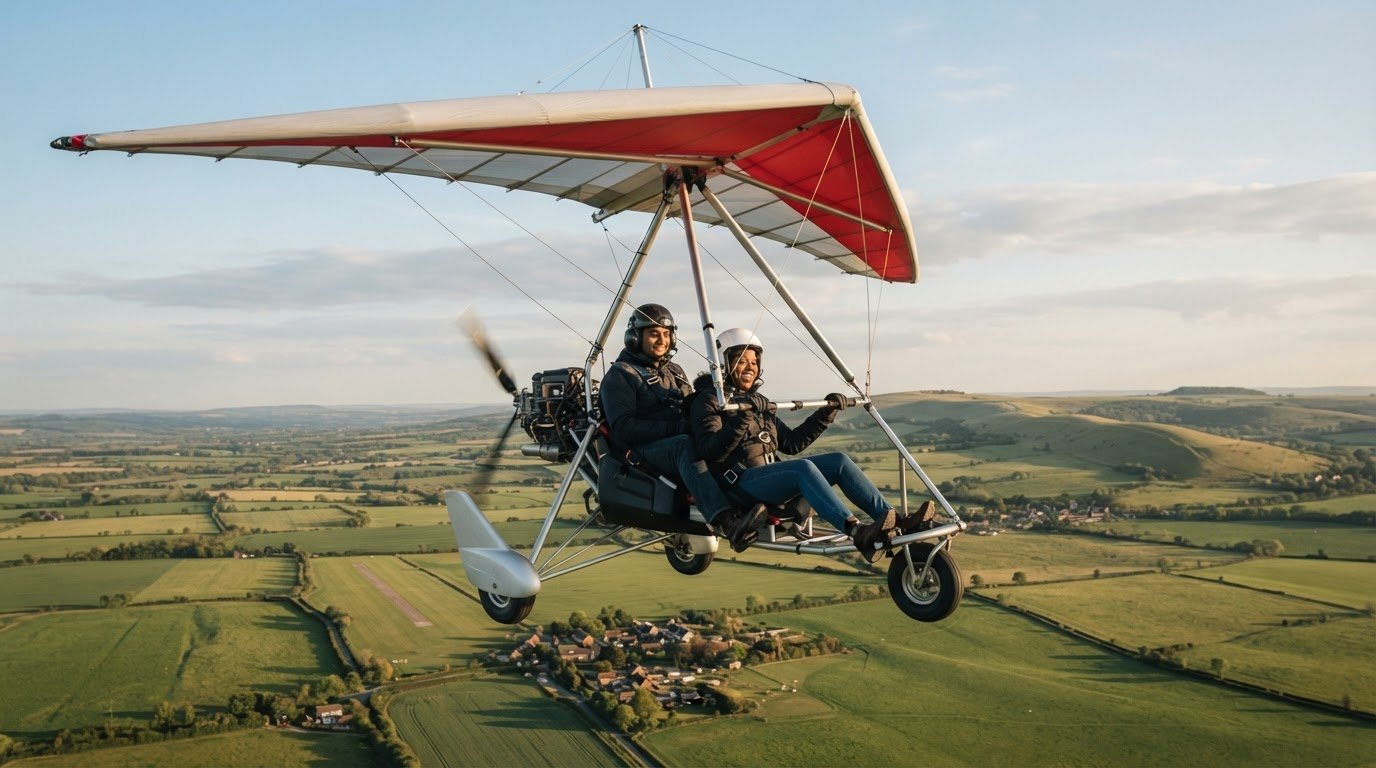
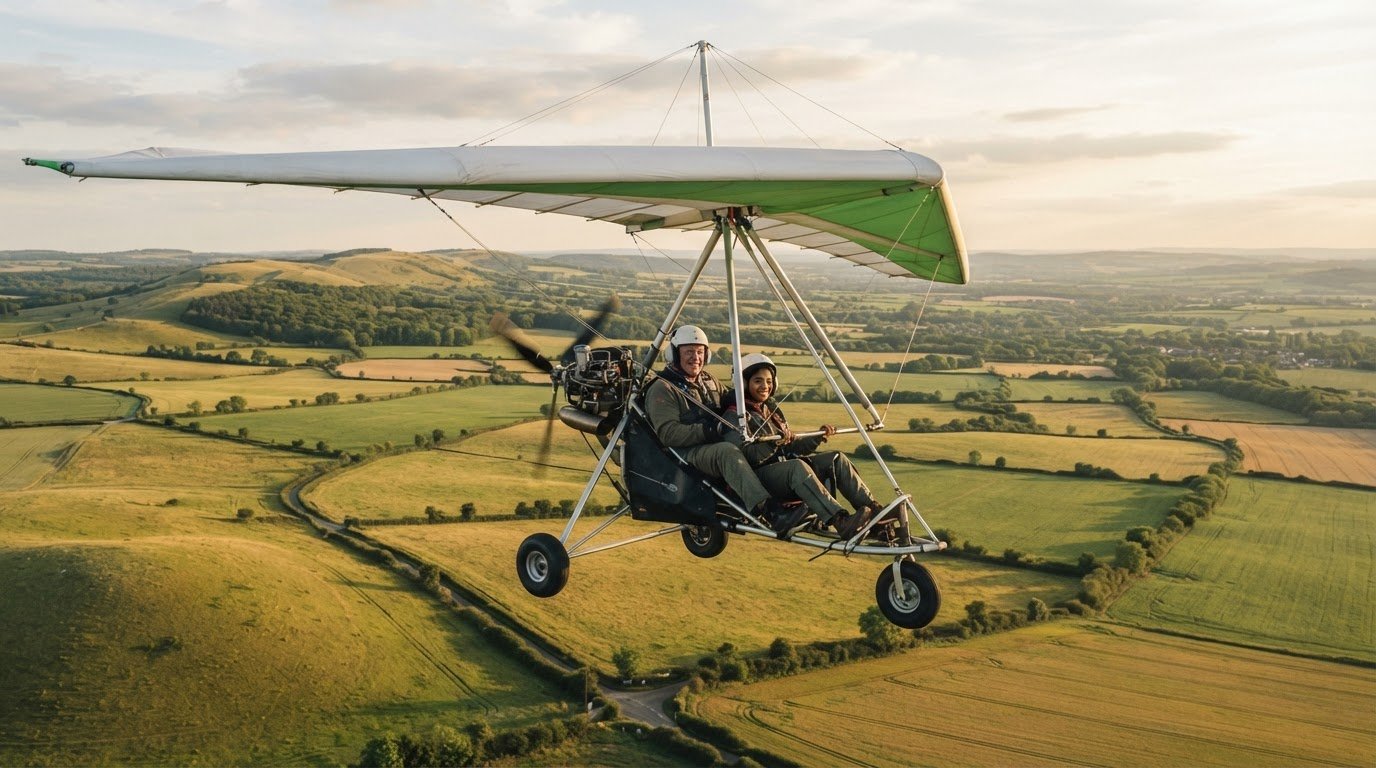
On the other hand, flexwing aircraft have a more open design, often resembling hang gliders with engines. They’re agile and offer a more hands-on flying experience. This type is ideal if you love feeling the elements and prefer a more adventurous flight. Both types are easy to learn, making them great choices for beginners.

The Allure of the Minifox Microlight

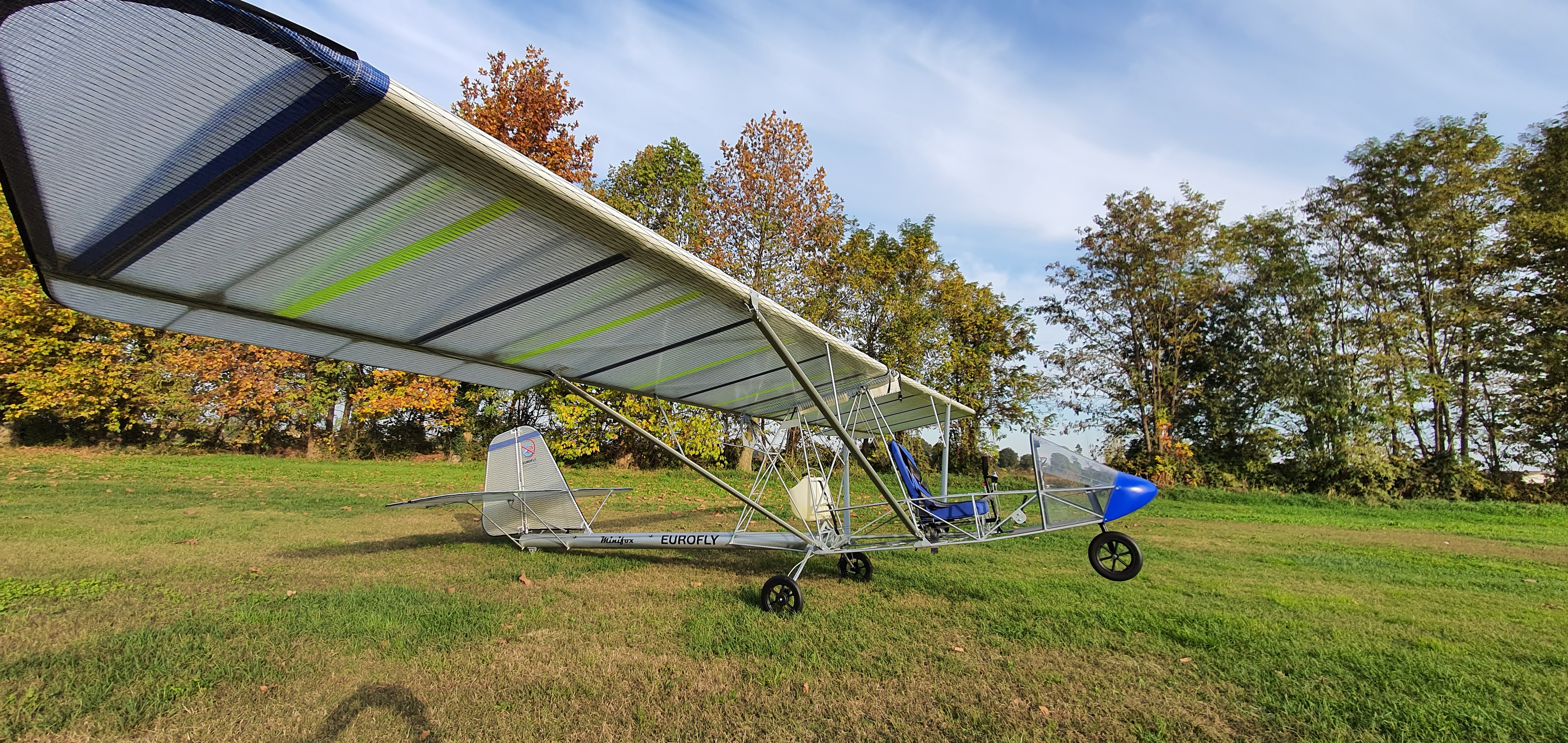
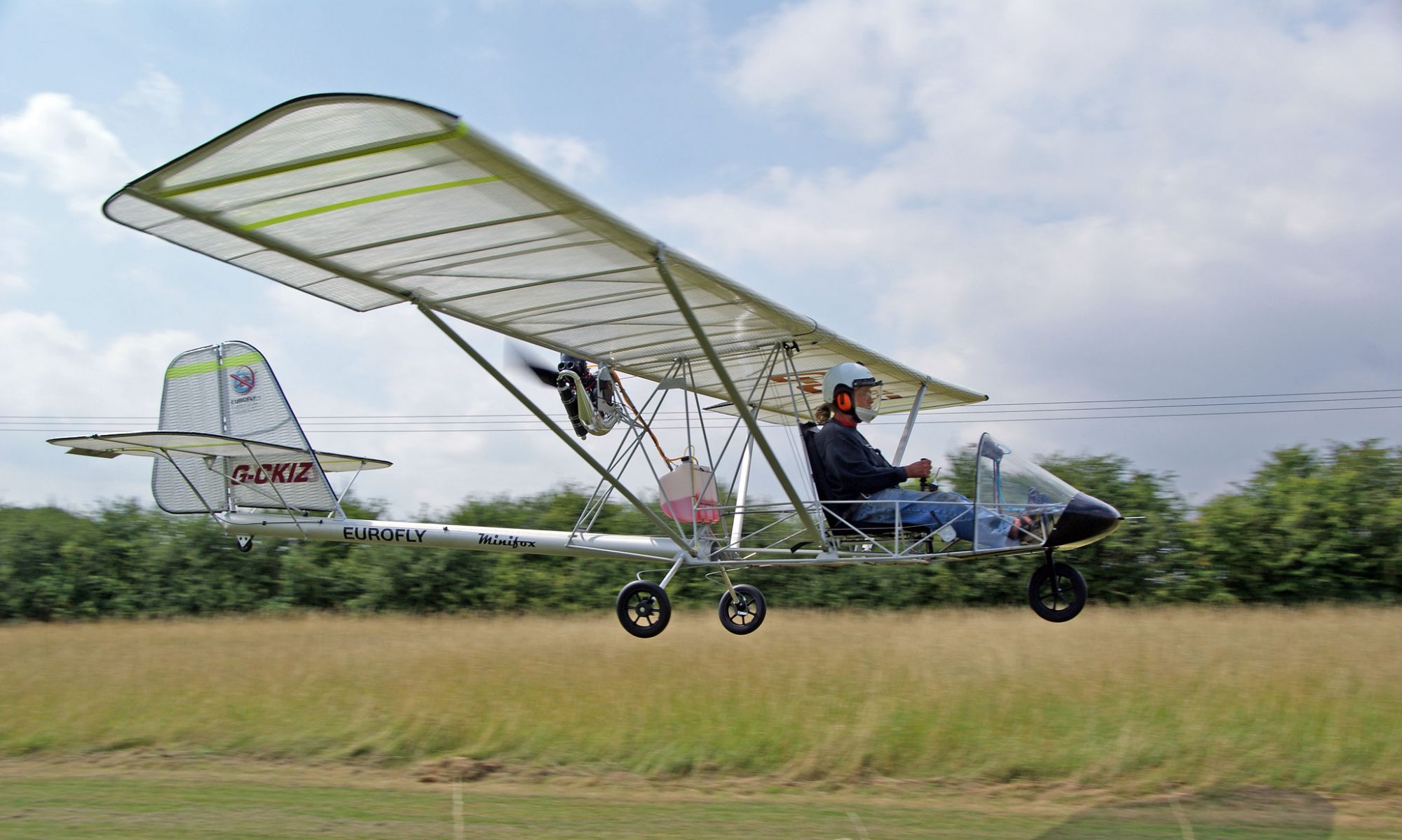
Consider the Minifox SSDR microlight if you’re looking for an affordable yet thrilling aircraft. Known for its compact design and low running costs, the Minifox offers a perfect introduction to microlight flying. It boasts incredible visibility, allowing you to soak in the scenery as you fly.

The Minifox is part of the Single-Seat DeRegulated (SSDR) class, meaning it’s easier to own and operate. With a short take-off distance and impressive performance, this microlight is all about fun and freedom. It’s perfect for those weekend escapes when you just want to pack up and go.

Discovering the Sub 70 Microlight Class

The sub 70 class aircraft are an exciting option for those who crave simplicity and freedom. These lightweight aircraft are easy to transport and store, making them ideal for spontaneous adventures. They don’t require any permits, which reduces hassle and cost.

With a sub 70 microlight, you can enjoy the thrill of flying with minimal restrictions. These aircraft are designed for maximum fun, allowing you to focus on the joy of soaring through the sky. They’re a fantastic choice for anyone seeking an affordable entry into the world of microlight flying.

Getting Started with Fun Flying Aviation

Ready to take the plunge into the world of flying? Fun Flying Aviation is here to guide you every step of the way. We offer everything you need to start your flying journey with confidence and excitement.

Booking Your First Flying Lesson

Starting with a trial lesson is the best way to experience flying firsthand. At Fun Flying Aviation, we make it easy to book your first flying lesson. Our friendly instructors are passionate about aviation and ready to share that enthusiasm with you.

During your lesson, you’ll get hands-on experience in controlling a microlight. It’s a chance to feel the aircraft, understand the basics, and see if flying is right for you. Our team ensures your first flight is memorable and enjoyable, setting the foundation for future adventures.

Joining Our Airfield Community

Flying isn’t just about being in the air; it’s about joining a community of like-minded enthusiasts. At our airfield, you’ll find a welcoming atmosphere where you can share stories, tips, and experiences with other pilots.

Our community is a vital part of what makes flying with us special. You’ll have the chance to meet new friends, learn from experienced pilots, and become part of a vibrant network. Whether you’re a beginner or a seasoned flyer, our airfield is a place where everyone feels at home.

Path to Your Microlight Pilot Licence UK

If you’re serious about flying, obtaining your microlight pilot licence UK is an important step. Fun Flying Aviation offers comprehensive training programmes that guide you from your first lesson to becoming a licensed pilot.

Our courses are tailored to ensure you develop the skills needed to fly safely and confidently. With our professional instructors by your side, you’ll progress at a pace that suits you. The path to your licence is an exciting journey filled with learning, adventure, and achievement.

Embrace the opportunity to soar with Fun Flying Aviation, where the sky is no longer the limit but just the beginning of your adventure.

Book your first lesson today.

Verified by ExactMetrics