Flying Lessons for Retired People Near Reading

Flying Lessons for Retired People Near Reading

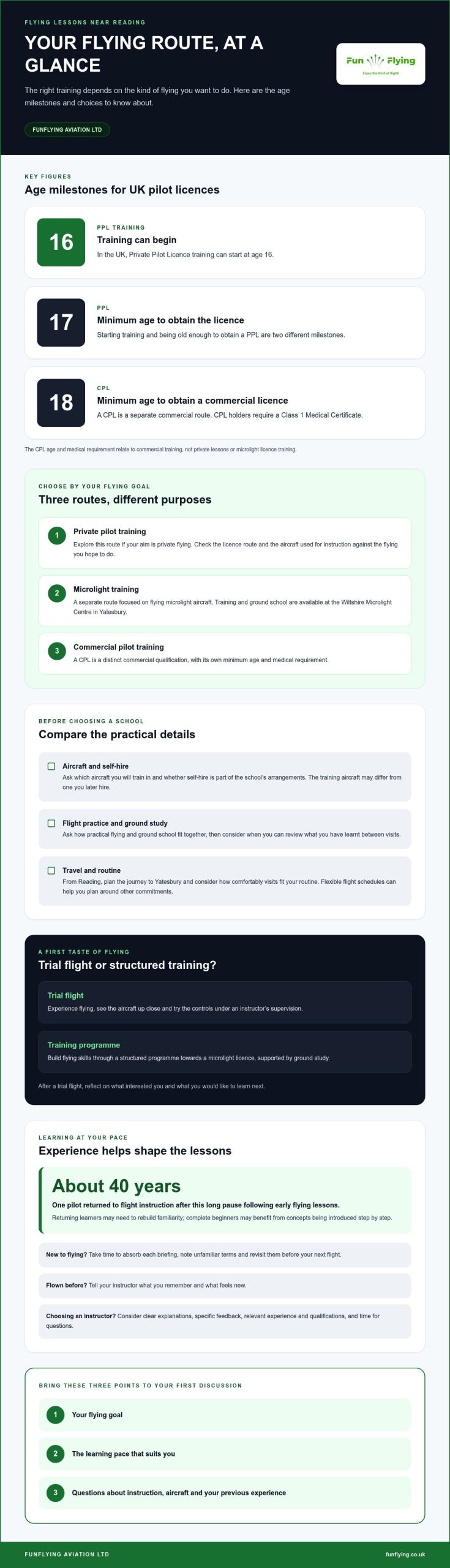
Flying lessons for retired people in Reading start with choosing a route that suits your flying ambitions. In the UK, Private Pilot Licence (PPL) training can begin at 16, and the minimum age to obtain a PPL is 17. That’s a useful distinction, whether you’re exploring aviation for the first time or returning to a long-held interest.

It’s natural to wonder whether starting later changes what training involves, or which type of licence best matches the flying you have in mind. The right route depends on your goals, from learning to fly privately to gaining a light aircraft licence.

This guide explains the training options, what older candidates can expect as they learn, and why an instructor’s experience and qualifications matter. You’ll get a clearer picture of the choices near Reading and the practical steps that can turn your interest in flying into a plan.

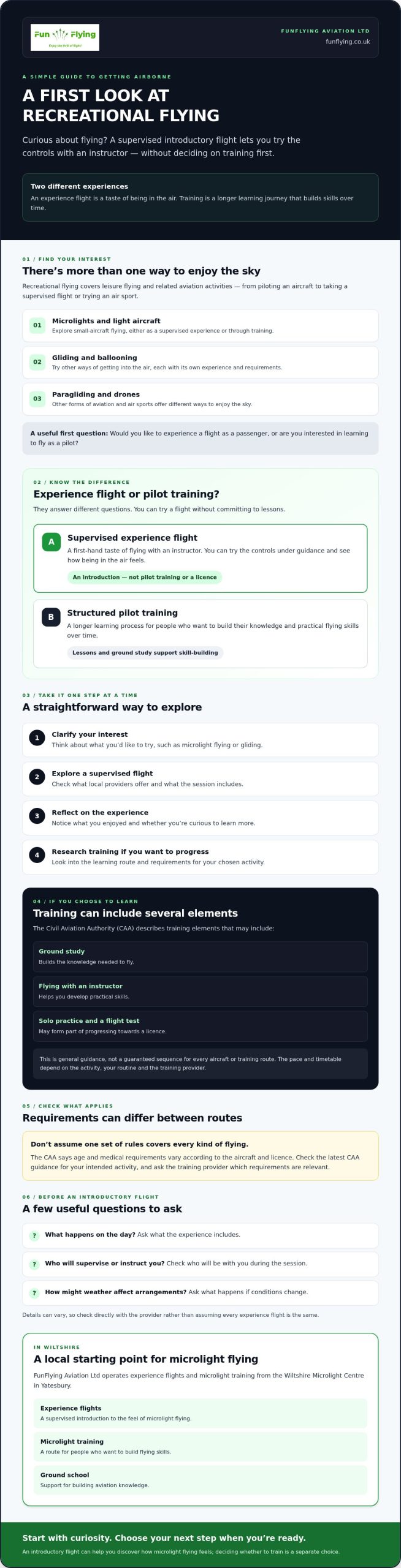
Key Takeaways

  • Compare private pilot and microlight training to see which route best matches the flying you want to do.
  • Plan your learning around your pace, experience and the time you can commit.
  • Learn what to look for in an instructor’s experience and qualifications before you begin.
  • Explore ways to experience flying near Reading, from a trial flight to structured microlight training.

Private pilot and light aircraft licence training

Private and commercial flying involve different qualifications, while microlight training is a separate route focused on flying microlight aircraft. Start with the kind of flying you want to do, then explore the training that matches it. Fun Flying Aviation Ltd provides microlight licence training and ground school at the Wiltshire Microlight Centre in Yatesbury.

To begin, book an introductory flight and ask what the experience involves and what to expect on arrival. A trial flight gives you a practical first taste of flying, while a structured training programme is the route to developing skills towards a microlight licence.

Aircraft choice matters for training and later self-hire. Schools use the aircraft available to them, and the aircraft used for instruction may differ from one you later hire. Ask which type you’ll train in and whether self-hire is part of the school’s arrangements. For example, if you hope to fly a particular kind of light aircraft independently, check that your training route supports that goal.

A CPL is a separate commercial route. The minimum age to obtain one is 18, according to the UK Civil Aviation Authority, and CPL holders require a Class 1 Medical Certificate. This figure relates to commercial training, not private lessons or microlight licence training.

For a recreational goal, compare the licence route, aircraft used and self-hire arrangements before deciding. Ground study supports the knowledge needed alongside practical flying, so consider how both fit your plans. Write down the kind of flying you want to do, then use that aim to guide your first discussion with a school. A specific goal makes it easier to distinguish between private, commercial and microlight training options.

Flying lessons for older candidates

Medical requirements for older student pilots depend on the licence sought, rather than retirement itself. Your flying aims, previous experience and preferred learning pace can help shape the route.

Lessons Near Reading

When planning flying lessons from Reading, include the journey to Yatesbury and how visits fit your routine. Fun Flying Aviation Ltd offers flexible flight schedules and ground school, helping you plan practical flying and study around other commitments.

If you’re new to flying, take each step at a pace that lets you absorb the information. After a briefing, note unfamiliar terms and revisit them before your next flight. If you have flown before, tell your instructor what you remember and what feels new.

Local Trial Lessons

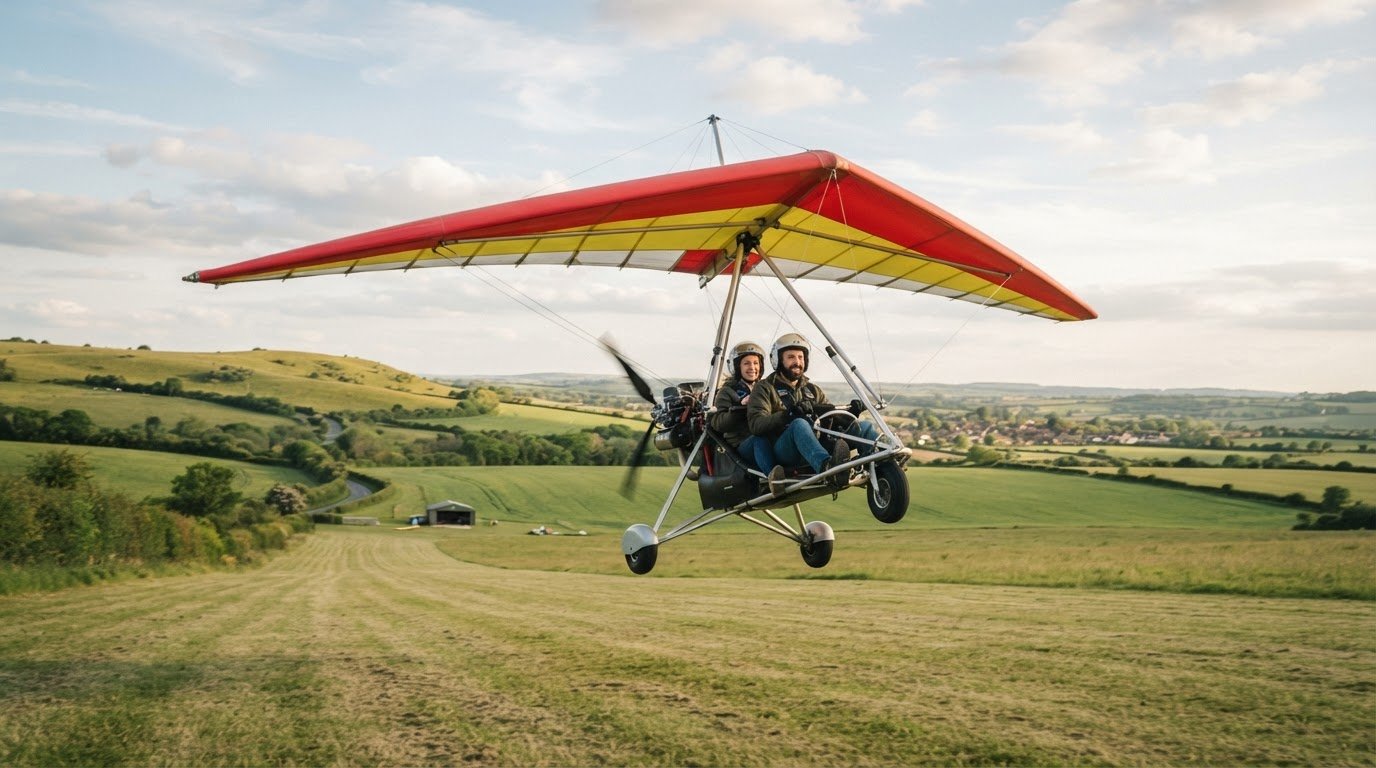
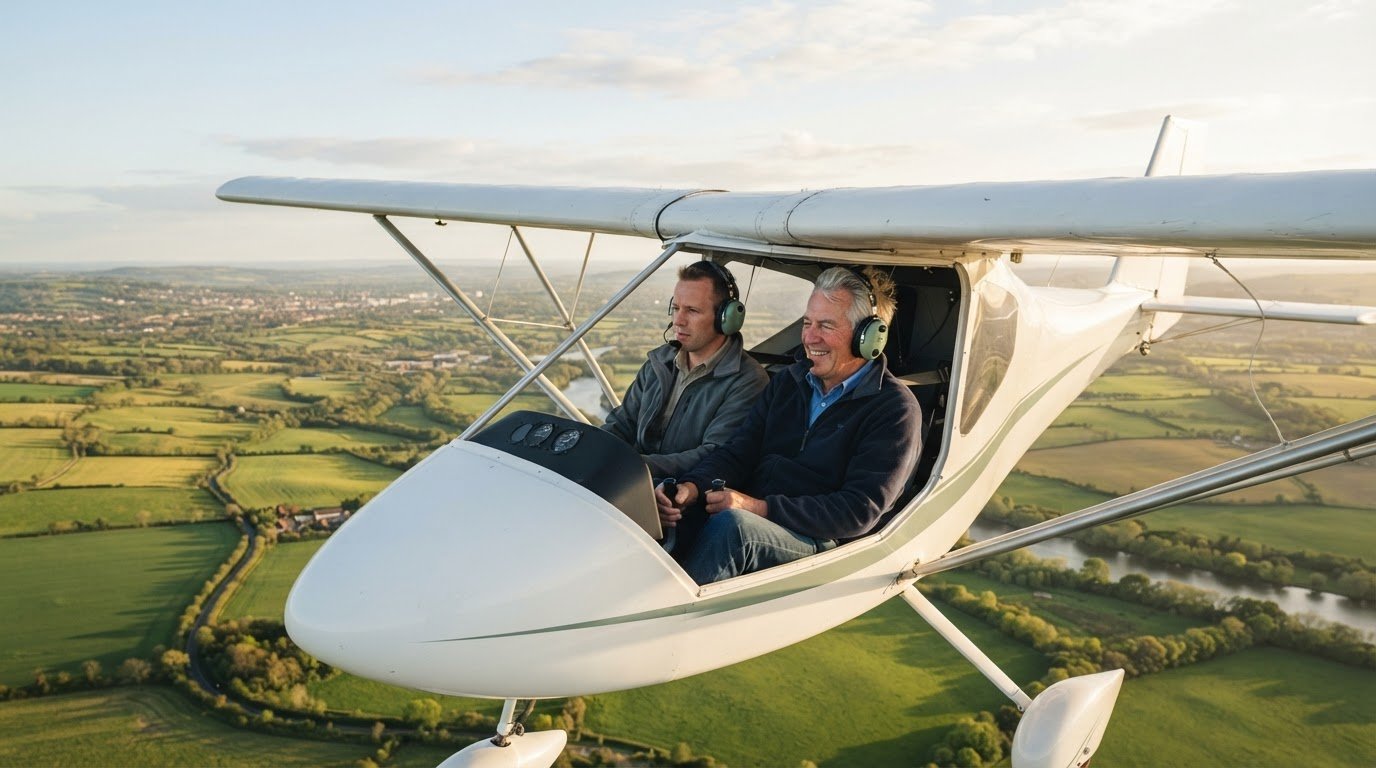
A trial flight is a way to experience flying before choosing a training goal. Fun Flying Aviation Ltd offers microlight Experience Flights from the Wiltshire Microlight Centre in Yatesbury. Travelling from Reading, you can use the flight to see the aircraft up close and try the controls under an instructor’s supervision.

Afterwards, reflect on what interested you most and what you’d like to learn next. You might note how the briefing felt, which parts of the flight caught your attention, and whether you’re curious about continued training. That gives you a practical starting point for exploring microlight flying lessons and deciding what suits your interests.

Instructor experience and qualifications

An instructor shapes how each lesson feels, from the first briefing to the final debrief. For an older learner, clear explanations and a calm teaching style can make unfamiliar controls easier to understand. Look for a learning approach that links each task to a practical example, such as explaining a control before practising it in the aircraft.

Experience can also include returning to flying after a long pause. One pilot resumed flight instruction about 40 years after early flying lessons. That example shows why an instructor’s ability to adapt matters: returning learners may need to rebuild familiarity, while complete beginners need concepts introduced step by step.

Use your first conversation to explain your aims, previous experience and preferred learning pace. Fun Flying Aviation Ltd combines practical flight training with ground school, and instructors can explain unfamiliar terms and make time for questions. After a lesson, a debrief can help you understand what you’ve learned and what comes next.

Qualifications matter alongside communication. They indicate an instructor’s formal preparation, while relevant flying experience helps them explain how classroom knowledge applies in the aircraft. Consider whether explanations are structured, whether feedback is specific, and whether the instructor can show how a skill develops from one lesson to the next. These details help you judge the teaching, not just the flight itself.

Before beginning, write down three things you want from training: your flying goal, the pace that suits you, and any questions about instruction. Use those points to guide your first discussion. If you’ve flown before, mention when and what you remember; if you’re new, say which parts feel unfamiliar. Clear starting information helps an instructor shape lessons around your experience and make progress easier to follow.
Flying Lessons for Retired People Near Reading

Flying lessons for retired people near Reading, Berkshire

For Reading residents, choosing a training location is also a travel decision. Plan the journey to the Wiltshire Microlight Centre in Yatesbury and consider how regularly you’d be comfortable making it. Fun Flying Aviation Ltd offers flexible flight schedules to help fit training around your routine.

Consider the whole learning routine, not just time in the aircraft. Ask how flight training and ground school fit together, and plan when you can review what you’ve learned between visits. Taking time to revisit notes after a lesson can help you prepare for the next one.

Your flying goal can help narrow the local search. Someone curious about recreational microlight flying has different training needs from someone pursuing a private pilot qualification. Write down what you hope to do, then use that goal to compare aircraft, lesson structure and the ground-school support available around Reading.

Before committing, note your travel route, preferred days and the time you can set aside for study. Then discuss how those preferences fit with the school’s flexible flight schedules and ground school. This helps you decide whether training works with your retirement routine.

For your first visit, prepare a few practical questions about the flight, aircraft and what happens afterwards. Ask what you’ll be introduced to, how the instructor will guide you and what the next step could be. This can help you decide whether you’d like to continue with microlight training.

Explore the learn-to-fly options.

Fun Flying Aviation: Experience Flights

Fun Flying Aviation Ltd offers Experience Flights for anyone who wants to discover microlight flying before choosing a training route. An instructor supervises the flight, and you’ll have the chance to take the controls. It’s a practical first step if you’re curious but not ready to commit to licence training.

If the experience sparks a deeper interest, microlight licence training offers a structured way to develop your skills, with ground school supporting your practical flying. A Trial Flight is also an introduction to flying, whether you’re exploring a new hobby or balancing adventurous outdoor goals with quieter interests at home, such as preserving coins or banknotes with storage systems from Renniks.

Contact Fun Flying Aviation Ltd or visit funflying.co.uk to explore your next step.

Make your flying ambition your next adventure

A new chapter can begin with a decision that’s entirely your own. Before taking the next step, picture what you’d like flying to add to your life: a fresh challenge, a skill to develop, or the simple thrill of seeing familiar landscapes from above. Much like investing in tailored guidance for other active retirement pursuits—such as dialling in posture and comfort on two wheels with Foundation Bike Fit—finding the right personal setup helps you choose a pace and direction that feel right for you.

If you’re considering flying lessons for retired people in Reading, turn your interest into a practical conversation. Think about what you’d like to experience first and whether you might want to work towards microlight training. You don’t need every detail figured out before you begin.

Explore learning to fly with Fun Flying Aviation Ltd

Your next adventure could begin with one thoughtful step. Give yourself the chance to discover where it leads.

Frequently Asked Questions

How much do flying lessons and trial flights near Reading cost?

Costs vary with the aircraft, flight format and whether you’re booking an introduction or tuition. The price for a particular option is provided after a quote request, with the planned activity and training needs shaping the amount. When comparing choices around Reading, consider what each flight includes and whether you want a one-off experience or a step towards ongoing lessons.

What are the minimum and maximum age rules for learning to fly in the UK?

The PPL minimum ages are covered above; there isn’t a single maximum age for taking a flying lesson. Learning and qualifying are different steps, and the licence route determines the relevant requirements. If you’re retired, focus on the type of flying you want to do and the medical standard for that route, rather than treating age alone as the deciding factor.

What types of aircraft and lesson lengths are available near Reading?

Microlights are one aircraft option for recreational flying in the area. Lesson length varies with the format and planned flight, so an introductory experience and a training lesson may be organised differently. Before booking, decide whether you want a first taste of flying or instruction towards a skill. That distinction helps you choose an aircraft and session suited to your aim.

What accessibility and age-friendly support can older learners expect?

When planning a visit, consider practical needs such as accessing the airfield, getting into the aircraft, hearing the briefing and following instructions comfortably. If a particular movement or communication need matters to you, mention it when arranging your visit so the school can understand what would help you take part.

Are flying lessons safe and suitable for older adults?

Flying carries risks, and lessons use briefings and instructor supervision to help manage them. Suitability involves your health, comfort in the aircraft and ability to follow instructions. A Class 2 Medical Certificate is an aviation medical assessment used for private pilot licensing; it considers health in relation to the licence. Think about your own comfort and aims when choosing a first flight.

Reviews and comparisons of flight schools near Reading

Compare schools by whether they offer the training route and aircraft that match your goals, how practical flying and ground study are arranged, and whether self-hire is available. Also consider travel from Reading and the instructor’s qualifications, experience and teaching approach.
Marce Colucci

Article by

Marce Colucci

Love to fly, and more importantly, love teaching others to fly.

Pay-as-you-go flying lessons in Wiltshire: choose your route to the sky

Pay-as-you-go flying lessons in Wiltshire: choose your route to the sky

What if learning to fly could fit around your life, rather than demanding a big commitment before you’ve even taken the controls? If you’re considering pay as you go flying lessons Wiltshire, it’s natural to wonder what a first flight involves, how training fits around other commitments and whether an introductory experience can lead to a licence.

At Fun Flying Aviation Ltd in Yatesbury, friendly, hands-on instruction starts from your first lesson. Flexible flight schedules and ground school form part of a structured microlight training journey. A trial or experience flight gives you a taste of flying, while ongoing lessons help you build skills towards your learning goals.

In this guide, you’ll find out what to expect as a beginner, how flying and ground school work together, and what to consider when planning lessons around your goals. Whether you’re curious about the view from the cockpit or ready to work towards a microlight licence, you can start from Yatesbury and take it one step at a time.

Key Takeaways

  • Shape your learning plan around your goals, availability and budget, and check what each lesson or flight includes.
  • Combine practical flying with ground school to develop both your flying skills and supporting knowledge.
  • Choose a trial or experience flight for an introduction, or structured tuition if you want to work towards a microlight licence.
  • Explore pay as you go flying lessons Wiltshire with Fun Flying Aviation Ltd in Yatesbury, a local base for learners from nearby towns and cities.

Pay-as-you-go flying lessons in Wiltshire: what should you expect?

If you’re interested in flying but not ready to plan a long-term commitment, start by deciding what you want from your first visit. The phrase “pay as you go” can refer to learning at a flexible pace, but it doesn’t describe a particular training format. At FunFlying Aviation Ltd, flexible flight schedules make it possible to explore microlight flying and consider your next step as you go.

Flexible flight training gives you room to explore flying around your goals and commitments. The useful distinction is between trying a flight and beginning structured tuition. A trial or experience flight is an introduction. Training is designed to develop your skills and knowledge over time.

Is a trial flight the same as a flying lesson?

Not quite. A trial flight lets you experience being in the air and, under professional supervision, take the controls of a microlight. It’s an introduction to the wider field of ultralight aviation, rather than a substitute for structured training. At FunFlying Aviation Ltd, learners take control from their first lesson as part of a friendly, hands-on approach. If you enjoy the experience, you can consider continuing with lessons. One flight is a starting point, not a guarantee of a licence or a particular training outcome.

Why learners value flexibility

Work patterns, family plans and travel can make a fixed routine difficult. Flexible scheduling can help you fit flying around real life, while instructor-led practice gives you the chance to become more comfortable with the aircraft and the skills involved. FunFlying Aviation Ltd offers flexible schedules and structured microlight training for learners who want to continue. You can begin with an introductory flight and decide what you’d like to do next.

How microlight lessons and ground school build your flying skills

A structured microlight course makes each flight part of a wider learning journey. At FunFlying Aviation Ltd, practical tuition is instructor-led and hands-on, so you learn through guided participation rather than simply observing. Your instructor helps you understand what you’re practising and identify what to focus on next.

Practical instruction helps you develop flying skills in the air, while ground school supports your understanding of the knowledge behind them. Together, they connect what you experience in the aircraft with the broader learning involved in pilot training.

What happens during hands-on instruction?

You take control under professional supervision from your first lesson. Your instructor guides you and explains what’s happening in clear, beginner-friendly language. As you gain experience, feedback helps you recognise what’s becoming familiar, where you can improve and what your next learning goals might be. Each flight contributes to a structured course, rather than promising a particular result from one session. That makes ongoing pay as you go flying lessons Wiltshire a practical option for learners who want to build their skills over time.

Where does ground school fit?

Ground school is the theory side of your flying education. It supports practical instruction by helping you build knowledge and understand the decisions involved in learning to fly. FunFlying Aviation Ltd combines ground school with structured microlight tuition, so your learning includes both classroom sessions and time in the aircraft. The microlight learn-to-fly pathway explains how these elements fit together in a broader course.

How to plan flexible flying lessons around your goals and budget

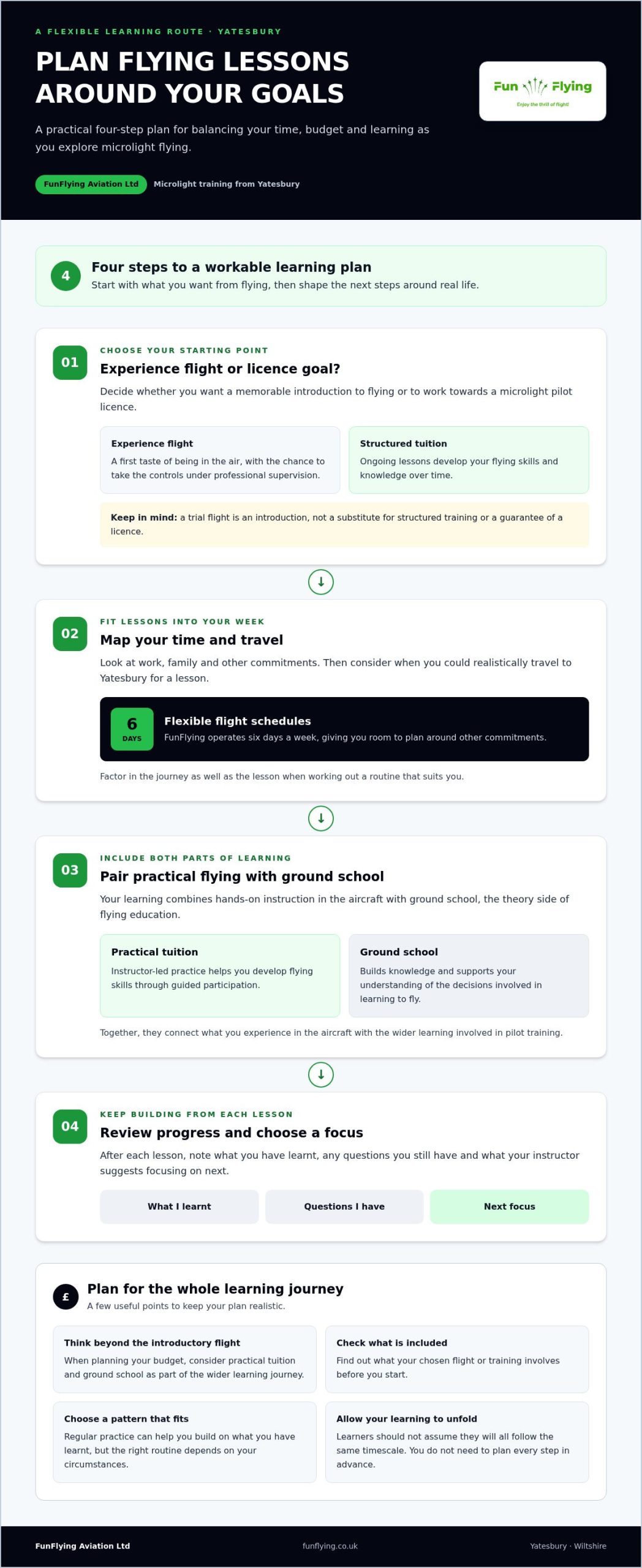
A little planning can help you make each lesson count without trying to predict exactly how long training will take. Start with what you want from flying, then make a realistic plan around your time, budget and learning progress.

  1. Set your goal. Are you looking for a memorable experience flight, or do you want to work towards a microlight pilot licence? Knowing the difference helps you choose a useful first step.
  2. Map your availability. Look at work, family and other commitments, then identify when you could realistically travel to Yatesbury for lessons.
  3. Make room for the theory. Include ground school in your plan. It supports the knowledge side of learning alongside practical flying.
  4. Review your progress. After each lesson, note what you’ve learnt, any questions you still have and what your instructor suggests focusing on next.

When planning your budget, consider the wider learning journey, including practical tuition and ground school, rather than treating an introductory flight as the full cost of pilot training. Before you start, find out what your chosen flight or training involves. You don’t need to plan every step in advance, and learners shouldn’t assume they will all follow the same timescale.

Match lesson planning to your real-life schedule

FunFlying offers flexible flight schedules and operates six days a week, giving learners room to plan around busy lives. If you’re travelling to Yatesbury, factor in the journey as well as the lesson when choosing a workable routine. Regular practice can help you build on what you’ve learnt, but the right pattern is one that fits your circumstances.

Keep the learning goal in view

Between lessons, jot down your instructor’s feedback, questions and next steps so you can return with a clear focus. If licence training is your aim, explore the microlight pilot-training guide to see how structured tuition can support your goal.

Explore microlight training options

Pay-as-you-go flying lessons in Wiltshire: choose your route to the sky

Start your Wiltshire flying lessons at Yatesbury

FunFlying Aviation Ltd provides microlight training from the Wiltshire Microlight Centre in Yatesbury. It’s a Wiltshire base for learners who want to explore flying through friendly, hands-on instruction, whether they’re curious about an introductory flight or considering structured pilot training. Flexible flight schedules and operations six days a week can help you plan around other commitments.

What makes Yatesbury a practical starting point?

Yatesbury gives you a clear base for your flying lessons. If you’re travelling from Swindon, Bristol, Newbury, Reading, Basingstoke, Andover, Bournemouth or Portsmouth, include the journey to the Wiltshire Microlight Centre in your planning, along with time for your lesson and any ground school. Check your route before setting off and allow your schedule to work with the trip, rather than relying on assumed journey times. Knowing where you’ll be learning makes it easier to picture how lessons could fit into everyday life.

Take the next step towards learning to fly

If you’re excited by the idea of taking control with an instructor beside you, microlight tuition is a welcoming way to begin. Start with a trial or experience flight, then decide whether you’d like to build on it through ongoing training. The microlight training pathway gives you an overview of the learning route. As you gain experience, practical instruction helps you focus on each next step.

Take your first step towards learning to fly

Your next chapter could begin in the air

With pay as you go flying lessons Wiltshire, you don’t have to know exactly where your interest will lead before you begin. Let your first experience answer the questions that matter to you: how it feels to take the controls, what you’d like to learn next and whether flying deserves a bigger place in your plans.

Then take it one decision at a time. You might want the thrill of a flight, or you may feel ready to explore a longer learning journey. Either way, you can move forward with a clearer sense of what suits you, without needing every step mapped out in advance.

Explore microlight training and take your first step

Your view of the sky could soon be very different. Start with curiosity, explore the training pathway and take your first step towards flying.

Frequently Asked Questions

How much do pay-as-you-go flying lessons in Wiltshire cost?

The total cost depends on the tuition arrangement and how your training develops. For pay as you go flying lessons Wiltshire, use FunFlying’s learn-to-fly information to review the training route. A trial or experience flight is an introduction, not the total cost of progressing through longer-term training.

How many lessons does it take to earn a microlight pilot licence?

There isn’t a reliable lesson count to promise, because progress depends on the learner and how their training develops. Rather than planning around an assumed timetable, focus on building skills steadily and discussing your progress with your instructor. After a lesson, note which parts feel more familiar and what you’d like to ask about next. Your instructor can help you identify useful learning goals as you go.

Can I try a flying lesson before committing to longer-term training?

Yes. FunFlying offers introductory trial and experience flights, so you can get a feel for flying under professional supervision before deciding whether to pursue ongoing tuition. Treat the first flight as a way to explore your interest, not as a promise of a particular training result. If you decide you’d like to continue, structured microlight tuition and ground school are part of the wider learning journey.

Are microlight flying lessons suitable if I have never flown before?

Yes, you can explore flying without previous experience. FunFlying’s instructors take a friendly, hands-on approach, with learners taking control under professional supervision from their first lesson. Your instructor can explain what you’re doing in clear, accessible language, so you can focus on the experience rather than arriving with technical knowledge. It’s a welcoming way to find out whether you’d like to learn more.

Marce Colucci

Article by

Marce Colucci

Love to fly, and more importantly, love teaching others to fly.

ULM Plane: What It Is and How to Start Flying in the UK

ULM Plane: What It Is and How to Start Flying in the UK

What if your first step towards flying a ulm plane didn’t involve buying one? If you’ve come across “ULM” in European aviation, you may be wondering what it means and whether it’s different from a microlight. In the UK, microlight is the term you’ll hear most often. You don’t need to own an aircraft to experience flying one.

This guide explains the term in plain English and shows you what to consider before choosing an introductory flight or training. A supervised experience can let you take the controls and discover how flying feels. If the view from above sparks a bigger ambition, structured microlight tuition and ground school can help you explore what comes next. We’ll also introduce a local starting point at Fun Flying Aviation Ltd in Yatesbury. You can begin with a first experience, not a plane of your own.

Key Takeaways

  • Understand why “ULM plane” is used in some countries, while “microlight” is the familiar term in UK flying.
  • Learn how to make sense of aircraft descriptions without getting bogged down in specifications you don’t yet need.
  • Compare a trial flight, ongoing tuition and aircraft research to decide which first step suits your goals.
  • Explore how supervised flying and structured lessons at Yatesbury can help you discover whether microlight flying is for you.

What Is a ULM Plane? A Clear Starting Point for UK Readers

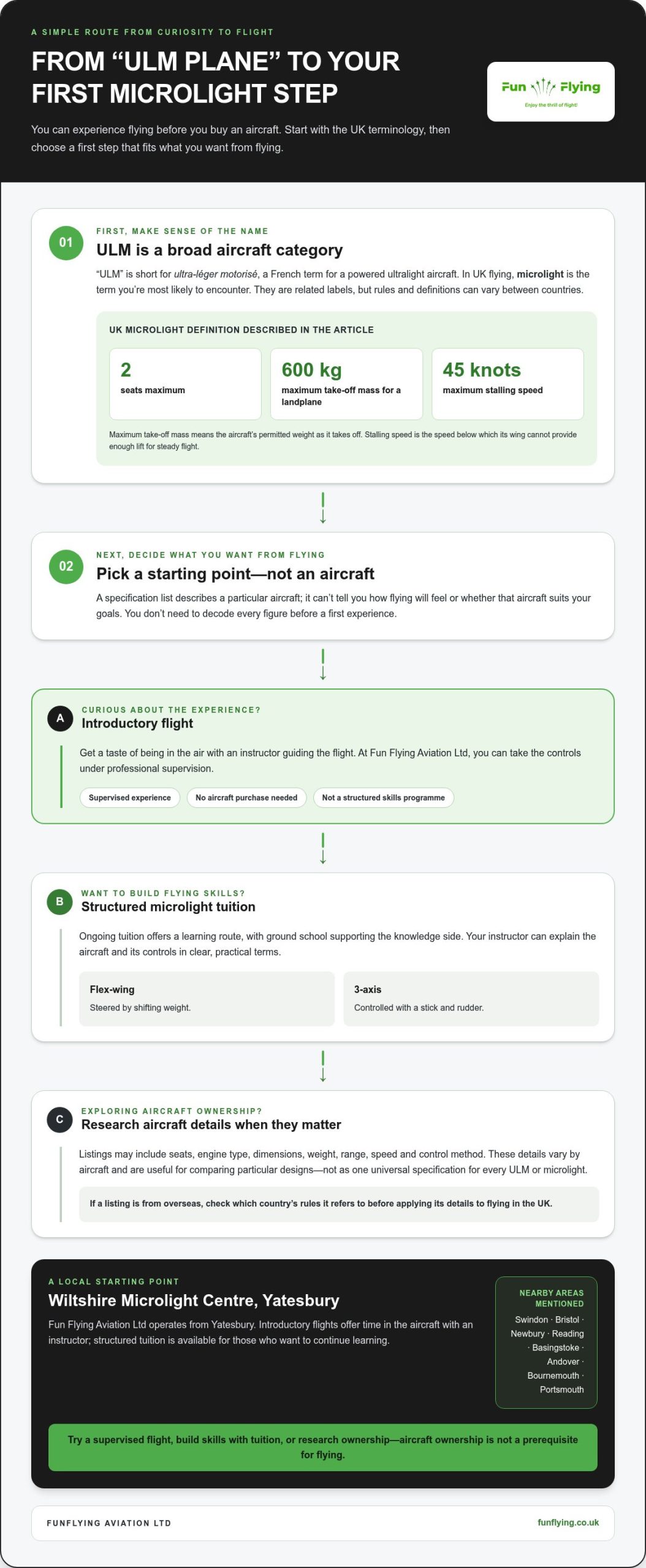
ULM is short for ultra-léger motorisé, a French term for a powered ultralight aircraft. The label is used in parts of Europe, but aircraft terminology and rules vary between countries. In the UK, the Civil Aviation Authority (CAA) uses microlight as the practical term for this category. Its current definition includes aircraft with no more than two seats, a maximum take-off mass of up to 600kg for a landplane, and a stalling speed of no more than 45 knots. Maximum take-off mass means the aircraft’s total permitted weight as it takes off. Stalling speed is the speed below which its wing can no longer provide enough lift for steady flight.

A ULM plane is a broad category of lightweight powered aircraft, not the name of one particular aircraft model or brand. This distinction helps make sense of online listings. A listing may use “ULM” to describe a category, while the aircraft itself has its own make and model. For wider context on how the terminology is used internationally, see this Ultralight aviation (microlight) definition.

Does ULM Mean the Same Thing as Microlight?

Not always. Countries use different terms and apply their own rules. “ULM” is common in some European contexts, whilst “microlight” is the term you’re most likely to encounter in UK flying. Treat the words as related labels, not proof that aircraft definitions or requirements are identical across borders. If you’re reading an overseas listing, check which country’s rules it refers to before applying its details to flying in the UK.

Why ULM Plane Listings Can Feel Technical

Aircraft listings often include details such as seating, engine type and other specifications to help readers compare particular aircraft. These details describe individual designs; they aren’t a beginner’s checklist for deciding whether to try flying. You don’t need to decode every figure before booking a first experience flight. Start by understanding the broad category, then explore aircraft-specific questions when they’re relevant to your plans.

How ULM Planes Are Described, and What Beginners Actually Need to Know

Aircraft listings can look like a wall of unfamiliar terms. You may see fields for seats, engine details, dimensions, weight, range or speed, alongside descriptions of how the aircraft is controlled. These details help you compare particular aircraft, but they aren’t a universal specification that applies to every ULM plane.

Which Aircraft Details Matter Before a First Flight?

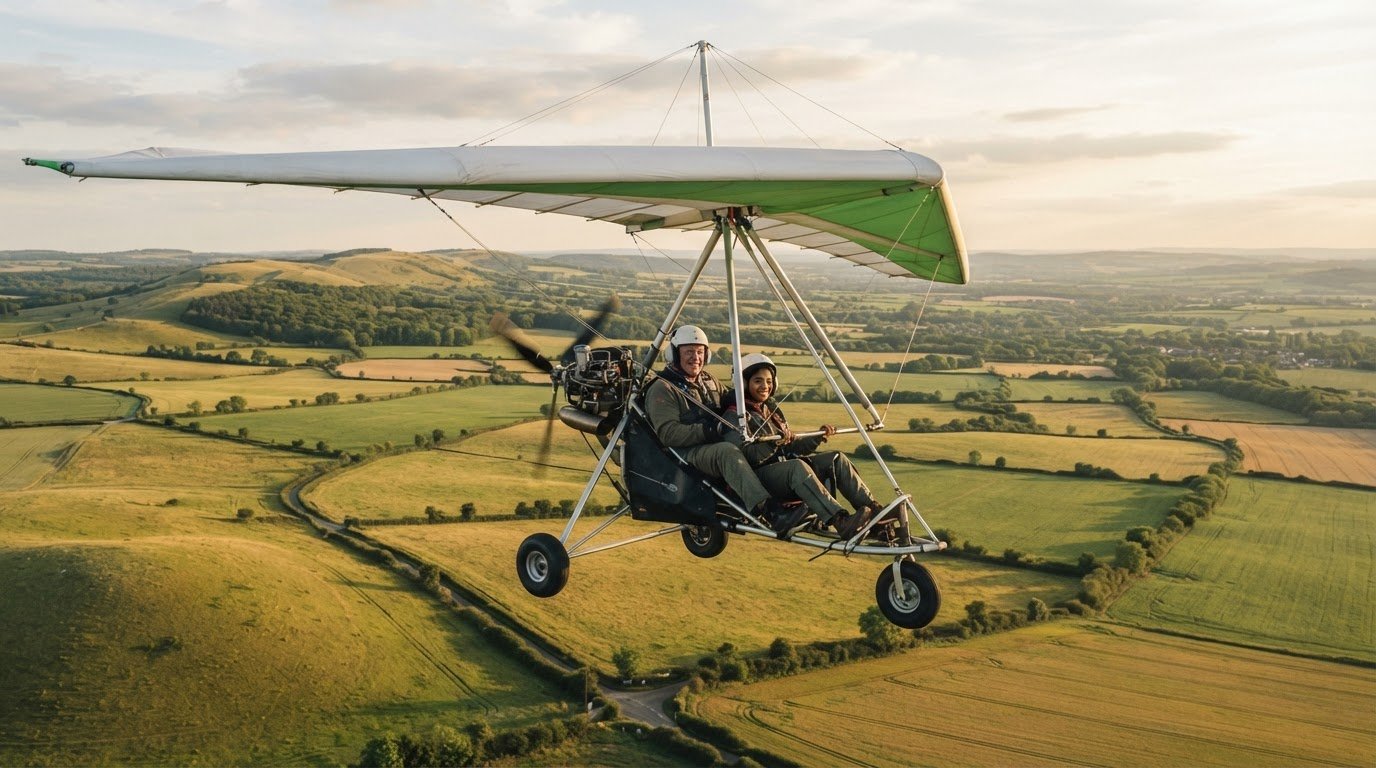
Start with what you want to do. For an introductory flight, focus on the experience rather than comparing technical figures. If you’re considering lessons, the control layout may be useful to understand: a flex-wing aircraft is steered by shifting weight, while a 3-axis aircraft is controlled with a stick and rudder. Your instructor can explain the aircraft used for your flight or tuition in clear, practical terms.

If you’re researching ownership, aircraft details matter more, but their relevance depends on the aircraft and how you intend to use it. A specification list alone can’t tell you what a beginner’s flying experience will feel like, or whether a particular aircraft suits your goals. Appropriate instruction and hands-on experience are a more useful starting point than comparing figures in isolation.

Why a ULM Plane Does Not Have One Universal Specification

Aircraft directories use different filters because they cover different designs and record different kinds of information. One listing might foreground the number of seats or engine type; another may include dimensions, weight, range or speed. Those fields describe a specific aircraft, but they don’t mean every aircraft shares the same layout or capabilities. Avoid treating one figure as a rule for the whole category.

Curious to move from browsing to learning? Explore how to learn to fly and consider which first step fits you: an introductory experience or structured tuition.

Do you need to own a microlight to try flying one?

No. You can experience microlight flying without buying an aircraft or committing to a course. A supervised introductory flight lets you experience being in the air, with an instructor guiding the flight. At Fun Flying Aviation Ltd, you can also take the controls under professional supervision.

A supervised experience flight gives you a taste of flying; aircraft ownership is a separate decision, not a prerequisite. Independent aircraft research is useful if you’re exploring ownership, but it’s different from getting airborne. You can discover whether flying appeals to you first, then decide whether you want to learn more.

Trial Flight or Pilot Training: Which Is the Better First Step?

Choose a trial flight if you’re curious about the feeling of flight and want to see how it suits you. It’s an introduction, rather than a structured programme for building skills. If you already know you want to develop as a pilot, ongoing microlight tuition offers a learning route, with ground school supporting the knowledge side. You don’t have to decide on aircraft ownership before taking either step.

A Local First Flight at Yatesbury

Fun Flying Aviation Ltd operates from the Wiltshire Microlight Centre in Yatesbury, a local starting point for people in Swindon and the surrounding area. It also serves as a practical option for people travelling from Bristol, Newbury, Reading, Basingstoke, Andover, Bournemouth and Portsmouth. An introductory flight gives you time in the aircraft with an instructor, while structured tuition is there for those who want to continue learning. The right starting point depends on your aim: enjoy a first flight, or begin building skills.

Ready to explore your next step? Explore microlight flying lessons.

ULM Plane: What It Is and How to Start Flying in the UK

From ULM Plane Curiosity to Your First Microlight Lesson

Once the term makes sense, the next step is about what you want from flying, not choosing an aircraft. Your interest in a ulm plane might lead to a one-off experience or the start of learning to fly. Either is a practical place to begin, and you can decide at your own pace.

  1. Want to experience flying? Choose an introductory flight to discover what being in the air is like.
  2. Ready to build skills? Explore structured microlight tuition, with ground school to support your learning on the ground.

At Fun Flying Aviation Ltd, lessons combine practical instruction with a hands-on approach, and scheduling can be flexible. Your pace and next steps are individual, so there’s no need to map out the whole journey before you start.

What Happens After an Introductory Flight?

If the experience leaves you wanting to learn more, you can consider moving on to structured microlight tuition. Ground school forms part of that learning pathway, building the knowledge that sits alongside practical flying. An introductory flight can help you decide whether you’d like to explore this further; it doesn’t commit you to training or guarantee a particular outcome.

Explore Microlight Training in Wiltshire

The Wiltshire Microlight Centre in Yatesbury is Fun Flying Aviation Ltd’s base for introductory flights and microlight training. It offers a local starting point for either option: experience a flight first, or look into a more structured learning route. Instructors guide the practical side, while tuition and ground school support those who want to develop their skills over time.

Ready to take your next step? Explore microlight flight training.

Let Your Curiosity Take Flight

Curiosity can be the beginning of something exciting. Before choosing your next step, think about what draws you to flying: the feeling of being in the air, the chance to learn a hands-on skill, or seeing the landscape from a new perspective. Your answer can help you choose an experience that feels right, without needing to decide how far you’ll take your interest.

If reading about a ulm plane has sparked a wish to do more than browse, let that interest lead to a practical next step. Explore what learning to fly involves and see which option fits your ambitions. There’s no need to have every detail figured out before you begin. A little curiosity is a fine place to start.

Explore microlight flight training

Your first step could open up a whole new view. Enjoy finding out where it takes you.

Frequently Asked Questions

What does ULM mean in aviation?

ULM stands for ultra-léger motorisé, French for a powered ultralight aircraft. It’s a term you may encounter in European aircraft articles or listings, where it identifies the broad type of flying being discussed. If you’re reading about flying in Britain, look for the word “microlight” too, as that’s the term commonly used in the UK.

Is a ULM plane the same as a microlight in the UK?

They’re closely related terms, but don’t assume they mean an identical regulatory category in every country. “ULM” is used in some European contexts; UK aviation uses “microlight” for the relevant aircraft category. If a ULM plane listing catches your eye, use “microlight” when looking for UK flying experiences or tuition, and read overseas descriptions in their own national context.

Can I fly a ULM plane without owning one?

Yes. You can book an introductory experience flight without buying an aircraft. A professional instructor supervises the flight, and at Fun Flying Aviation Ltd you can take the controls under that supervision. If you’re curious about handling an aircraft but aren’t ready to commit to lessons, an experience flight lets you try that aspect before deciding whether you’d like to pursue training.

Do I need a licence to fly a microlight in the UK?

Yes, to fly a microlight as a pilot in the UK, you need a National Private Pilot’s Licence (NPPL) with a Microlight Class Rating. This rating is the part of the licence that authorises you to fly microlight aircraft. That’s different from taking the controls during an instructor-supervised experience flight. Ground school, or classroom-based study, supports practical training.

Where can I try flying a microlight near Swindon?

Fun Flying Aviation Ltd offers introductory flights from the Wiltshire Microlight Centre in Yatesbury, a local option for people travelling from Swindon. The centre is also a local starting point for people coming from Bristol, Newbury, Reading, Basingstoke, Andover, Bournemouth and Portsmouth. On an introductory flight, you can experience microlight flying with an instructor and get a feel for whether you’d like to learn more.

Marce Colucci

Article by

Marce Colucci

Love to fly, and more importantly, love teaching others to fly.

Recreational Flying UK: Find Your Way Into the Sky

Recreational Flying UK: Find Your Way Into the Sky

What if your first step into the sky didn’t mean signing up for months of lessons? An introductory flight lets you experience microlight flying and try the controls with an instructor, while leaving the decision about training for later. It’s one way to explore recreational flying UK, where options range from microlights and light aircraft to gliding, paragliding and drones.

Questions about time, licences or medical requirements can make flying feel complicated. You can start by discovering which activities appeal to you, then explore training if you want to take things further. This guide compares ways to get involved, explains how an experience flight differs from structured pilot training, and outlines what to check about requirements before you begin.

In Wiltshire, Fun Flying Aviation Ltd operates experience flights and microlight training from the Wiltshire Microlight Centre in Yatesbury. Whether you’re simply curious or already imagining yourself at the controls, an introductory flight can be a practical way to see how microlight flying feels.

Key Takeaways

  • Recreational flying UK covers different activities, from microlights and light aircraft to gliding and ballooning.
  • A supervised experience flight offers a taste of flying, while training involves building skills over time.
  • Use a simple step-by-step approach to explore flying, and ask what an experience includes before booking.
  • At the Wiltshire Microlight Centre in Yatesbury, FunFlying offers experience flights, microlight training and ground school.

What does recreational flying in the UK include?

Recreational flying covers leisure flying and related aviation activities. It can mean piloting an aircraft, taking a supervised flight or trying an air sport. Unlike commercial air transport, which carries passengers or freight as a service, recreational flying is pursued for personal enjoyment, interest or sport.

There’s no single aircraft or route into the hobby. You might explore microlights or light aircraft, take a glider up on rising air, or experience a balloon flight. Other forms of aviation and air sports offer different ways to enjoy the sky. The wider General Aviation in the UK overview shows how broad non-airline aviation can be. To decide what to explore, consider whether you want to fly as a pilot or experience a flight as a passenger, then check the aircraft, training route and requirements for that activity.

How does a microlight fit into recreational flying?

A microlight is one option within this wider mix, not a synonym for all recreational flying. It’s a type of small aircraft used for recreational flying. If you’re considering learning to fly one, look into training and requirements specific to microlights rather than assuming they’re the same as those for other aircraft. An instructor can explain what the learning process involves.

Is recreational flying only for people ready to train?

No. You can explore aviation without committing to becoming a pilot. A supervised introductory experience gives you a taste of flying with an instructor, while structured lessons and ground school are for people who want to build their skills over time. If learning to fly becomes your goal, explore microlight pilot training as a next step. At FunFlying Aviation Ltd, instructors introduce students to the controls from their first lesson, under guidance.

Is recreational flying too demanding to fit around everyday life?

Learning to fly takes time and regular effort, but you don’t need to commit to a training programme just to find out whether being in the air feels right for you. A supervised experience flight is an introduction; training is a longer learning journey that builds your skills step by step.

Trying a flight and starting pilot training are different decisions. You can enjoy an experience flight without deciding to train. If you’re curious about the wider community around recreational flying UK, the Light Aircraft Association is a useful place to explore recreational light aircraft and related interests.

What does learning to fly generally involve?

The Civil Aviation Authority (CAA) describes training elements that can include ground study, flying with an instructor, solo practice and a flight test. Ground study covers the knowledge needed to fly, while instructor-led lessons help you develop practical skills. Solo practice and a test may form part of progressing towards a licence. This is general guidance, not a guaranteed sequence for every aircraft or training route.

The pace and timetable depend on the activity, your routine and the training provider. Before you start, ask what lessons involve and how they might fit around your existing commitments. At FunFlying Aviation Ltd, students are introduced to the controls from their first lesson under instructor guidance. You can also explore microlight pilot training.

Do age and medical requirements apply to every type of flying?

Requirements aren’t automatically the same across all forms of flying. The CAA says they vary according to the aircraft and licence, so don’t assume that rules for one route apply to another. Check the latest CAA guidance for your intended activity, and ask the training provider which requirements are relevant before making plans. Getting clear answers can help you work out what applies to your chosen route.

How can you try recreational flying before choosing a training route?

A first flight can help you discover what appeals without requiring you to decide on training straight away. In recreational flying UK, an introductory experience is a supervised taste of being in the air, not a substitute for instruction or a pilot’s licence. Start with curiosity, then choose your next step based on how the experience feels.

  1. Clarify your interest. Decide what you’d like to try, such as microlight flying or gliding.
  2. Explore a supervised flight. Check what local providers offer and what the session includes.
  3. Reflect afterwards. Consider what you enjoyed and whether you’re curious to learn more.
  4. Research training. If you want to progress, compare the learning route and requirements for your chosen activity.

What should you ask before booking an introductory flight?

Ask what happens on the day, what the experience includes and who will supervise or instruct you. Find out how weather might affect arrangements and what the provider will do if conditions change. These details can vary, so ask the provider directly rather than assuming every introductory flight works the same way.

What if your first flight makes you want to learn?

If the experience leaves you keen to continue, ground school can help you build aviation knowledge, while instructor-led lessons develop your practical flying skills. For a broader look at the pathway, explore the article How to Become a Microlight Pilot; for study advice, see Mastering the Sky: The Ultimate Guide to Microlight Ground School UK. FunFlying’s instructors introduce students to the controls from their first lesson, with guidance as they learn.

Explore microlight pilot training

Recreational Flying UK: Find Your Way Into the Sky

Where can you explore recreational flying near Wiltshire?

If you’re in Wiltshire or nearby, Fun Flying Aviation Ltd operates from an airfield in Yatesbury. It’s a local option for experiencing microlight flying or finding out what structured training involves. The business serves people in Swindon, Bristol, Newbury, Reading, Basingstoke, Andover, Bournemouth and Portsmouth, so Yatesbury may be worth considering if you’re looking for a practical introduction to recreational flying UK.

For local background before you plan a visit, look for local airfield and flying guides. They can help you get your bearings and understand the setting for a flight or training.

What can you do at the airfield?

Fun Flying Aviation Ltd offers supervised introductory experience flights, microlight training and ground school. An experience flight lets you discover what being in a microlight feels like with an instructor supervising you. It’s an introduction, not training that qualifies you to fly independently.

If you decide you’d like to learn, structured lessons offer a way to build your skills over time. Fun Flying Aviation Ltd instructors introduce students to the aircraft controls from their first lesson, with guidance as they learn. Ground school supports the learning journey by helping you study the knowledge involved in flying.

How do you take the next step?

You don’t need to arrive with a firm plan. Decide whether you’d prefer to experience a flight or ask about learning, then check what suits your interests and routine. Before making arrangements, confirm current availability and ask the provider what to expect.

Ready to explore the training route? Explore learning to fly, or ask Fun Flying Aviation Ltd about a suitable introductory flight or microlight training option. Your next step could be a fresh view of Wiltshire from above.

Make your first move towards the sky

Recreational flying UK includes different ways to enjoy aviation. The right fit depends on what interests you and how far you want to take it. Start with a supervised introductory experience flight, then decide whether structured training feels right. Trying a flight doesn’t commit you to learning, and you can explore training one step at a time.

For a local microlight option, FunFlying operates from the Wiltshire Microlight Centre in Yatesbury, offering introductory experience flights and instructor-led training. Students are introduced to the aircraft controls from their first lesson, under instructor guidance. Ground school can support the learning journey too.

If you’re curious about learning, consider whether the training route suits your ambitions and routine.

Frequently Asked Questions

What is recreational flying in the UK?

Recreational flying in the UK means taking part in aviation for leisure, enjoyment or sport rather than travelling on a commercial airline. It covers activities such as piloting microlights or light aircraft, gliding, ballooning and other forms of air sport. Each option has its own aircraft, learning routes and requirements, so you can explore what appeals before deciding whether you want to fly as a pilot.

Can I try flying before committing to pilot training?

Yes. A supervised introductory experience flight lets you discover what flying feels like without signing up for a training programme. Ask the provider what the session includes, who will supervise you and what to expect on the day. It’s a way to explore your interest, not a substitute for pilot training or permission to fly an aircraft independently. You can consider lessons later if you want to progress.

Do I need a licence for recreational flying?

It depends on what you mean by flying and which aircraft or activity you choose. A supervised experience flight is different from operating an aircraft yourself; an introductory flight doesn’t give you a pilot’s licence. Licence requirements vary by aircraft and flying route, so check current Civil Aviation Authority (CAA) guidance for the activity you’re considering. Ask the training provider to explain which requirements apply before you begin.

Where can I try microlight flying near Wiltshire?

FunFlying Aviation offers supervised introductory experience flights, microlight training and ground school at the Wiltshire Microlight Centre in Yatesbury. Students are introduced to the controls from their first lesson under instructor guidance; this doesn’t mean they can fly independently. The business serves people in Swindon, Bristol, Newbury, Reading, Basingstoke, Andover, Bournemouth and Portsmouth. Check current availability and travel details directly with the provider.

To ask about an introductory flight or microlight training, explore learning to fly with FunFlying.

Marce Colucci

Article by

Marce Colucci

Love to fly, and more importantly, love teaching others to fly.

Microlight Flying Near Andover: Find Your Local Route to the Sky

Microlight Flying Near Andover: Find Your Local Route to the Sky

Could the nearest-looking airfield be the right place to start? If you’re searching for microlight flying near Andover, choosing where to fly is only part of the decision. You’ll also want to know what your first visit involves, how to confirm travel details, and whether you’re after a one-off flying experience or a route towards a pilot’s licence.

Yatesbury is an option to consider if you’re looking from Andover. Fun Flying Aviation Ltd offers experience and trial flights as well as structured microlight licence training, so you can choose a first step that fits your plans. This guide compares the options, explains what to check about directions and booking availability, and outlines the difference between an introductory flight and longer-term training. Students take control from their first lesson, with an instructor alongside them. Whether you’re travelling from Andover or comparing options from Basingstoke, Newbury, Reading, Swindon, Bristol, Bournemouth or Portsmouth, start by checking the exact airfield and the flight or training on offer.

Key Takeaways

  • For microlight flying near Andover, compare Yatesbury and Popham by the flight or training you want, not just the airfield name.
  • Before travelling, confirm the exact airfield, current availability and arrival instructions directly with the provider.
  • Decide whether you’re looking for a first-flight experience or a longer-term training goal to guide your enquiry.
  • Ask how FunFlying Aviation Ltd’s flexible lesson schedules and hands-on approach could fit your plans.

Looking for microlight flying near Andover? Start with the airfield

Searching for microlight flying near Andover can bring up listings for more than one airfield, including Popham. That doesn’t mean every option offers the same experience or training. To compare them, first decide whether you want an introductory flight or a longer-term flying goal. Then check the departure location, your travel plans and what each provider currently offers.

FunFlying Aviation Ltd provides microlight flights and training from the Wiltshire Microlight Centre in Yatesbury, Wiltshire. Andover is in Hampshire, so check the actual airfield location rather than relying on a town name in a page title. Confirm directions and arrival arrangements with the provider before setting off.

What does ‘near Andover’ mean when choosing a flying school?

“Near” is personal. Your starting point, transport plans and preferred type of flying all matter. A listing associated with Andover might refer to an airfield elsewhere, so look for the departure location and check that it suits your plans. If you’re new to the activity, a quick introduction to microlight aviation can also help you understand the kind of aircraft and flying being discussed.

Where does Fun Flying Aviation Ltd operate?

FunFlying Aviation Ltd operates from the Wiltshire Microlight Centre at Yatesbury, where it offers experience flights, trial flights and structured microlight licence training. That gives Andover-area searchers a specific location to assess, rather than a general area label. Yatesbury may suit your plans if the journey works for you and its flying options match what you’re looking for. Check current availability and travel details directly with the school before booking or travelling.

Popham or Yatesbury? Compare the details that matter

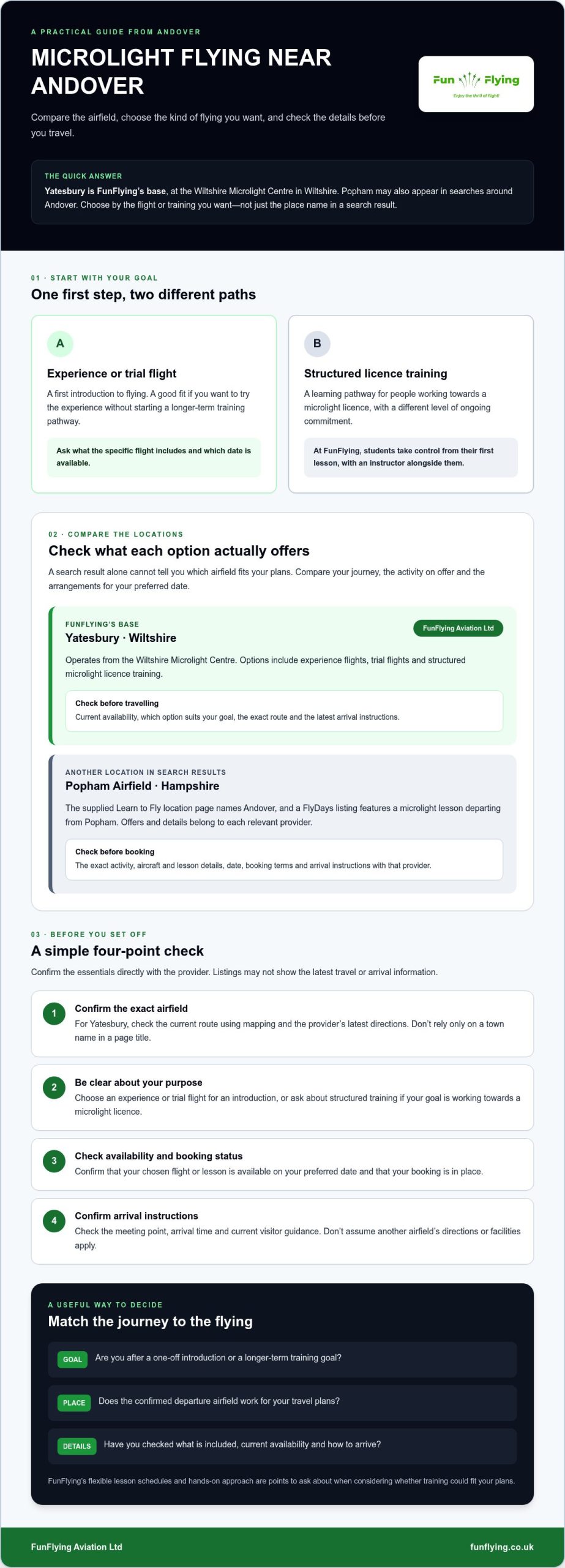
Both locations may appear in searches for microlight flying near Andover, but a search result isn’t enough to tell you which suits your plans. Popham Airfield is in Hampshire, and the supplied Learn to Fly location page names Andover. Yatesbury is FunFlying’s base. Don’t assume either is the better option based on a search result alone. Compare your journey, the activity on offer and the booking details for your preferred date.

Airfield Provider or listing Flight or training purpose Check before booking
Popham Airfield Learn to Fly page; FlyDays listing The FlyDays listing features a microlight lesson. Check each provider’s current offer. Exact activity, aircraft and lesson details, date, booking terms and arrival instructions.
Yatesbury FunFlying at the Wiltshire Microlight Centre Experience flights, trial flights and structured microlight licence training. Current availability, the right option for your goals and how to reach the airfield.

What the Popham listings tell Andover searchers

The supplied information connects Popham with Hampshire and names Andover on the Learn to Fly location page. FlyDays also lists an experience departing from Popham. Any aircraft, scenery or lesson details belong to that specific listing, not to FunFlying or its flights from Yatesbury. Check those details with the relevant provider before making plans.

How to compare Popham with Yatesbury fairly

Start with practicalities: your journey, preferred date, the type of flight or training you want, and the booking and arrival arrangements. Ask each provider what is included in the specific flight or lesson, then compare the options actually available to you. For background on UK microlight flying and its community, explore the British Microlight Aircraft Association.

If structured training at Yatesbury is on your shortlist, you can explore FunFlying’s microlight training and consider whether it fits your longer-term plans.

Plan your microlight flight near Andover with this simple checklist

A little checking before you travel can make your first flight feel more straightforward. Listings may not include the latest arrival details, so confirm the essentials directly with the provider, especially if you’re heading to Yatesbury.

  1. Confirm the airfield. Check the exact location for your booking. For Yatesbury, verify the route using current mapping and the provider’s latest directions.
  2. Be clear about your purpose. An experience or trial flight is an introduction to flying. Structured training is a learning pathway for people working towards a microlight licence, with a different level of ongoing commitment.
  3. Check availability and booking status. Make sure your chosen flight or lesson is available on your preferred date and that your booking is confirmed. Ask the provider if anything is unclear.
  4. Confirm arrival instructions. Check the meeting point, arrival time and any current visitor guidance before setting off. Don’t assume another airfield’s directions or facilities apply.

What should you confirm before travelling?

Travel details can change, so use current mapping alongside directions from the provider. Confirm the route, meeting point and arrival time directly with them, and check that your booking is in place. If a search result gives only a broad location, ask the provider to confirm the precise airfield and where to meet on arrival.

Are you looking for a taster flight or pilot training?

Choose an experience flight if you’d like an introduction before deciding whether to pursue flying further. Training is more structured and builds towards a licence. At FunFlying, students take control of the aircraft from their first lesson, with an instructor alongside them. If you’re weighing up that longer-term goal, read more about how to become a microlight pilot.

Explore microlight pilot training

Microlight Flying Near Andover: Find Your Local Route to the Sky

Take your first step with FunFlying at Yatesbury

Once you’ve matched the airfield to your plans, the next choice is whether you’d like to experience microlight flying or start learning to fly. For anyone exploring microlight flying near Andover, FunFlying offers both experience flights and structured microlight licence training from Yatesbury. If you’re unsure which suits you, ask about the options and current availability before making plans.

A first flight can be the beginning of more

An experience flight can introduce you to microlight flying without committing to a longer training pathway. If you decide you’d like to learn, FunFlying’s instructors take a hands-on approach: students take control of the aircraft from their first lesson, with an instructor alongside them. Flexible lesson schedules are available, so you can ask how the training could fit around your plans.

Choose a next step that fits your plans

Curious but not ready to commit to training? Enquire about FunFlying’s experience or trial flights, and confirm what’s currently available. If your aim is to work towards a microlight licence, structured training and ground school provide a longer-term route, with classroom learning supporting your flying lessons. You can explore how to become a microlight pilot to understand more about the training pathway.

Whether you’re starting with a flying experience or considering lessons, choose the next step that fits your plans and ask the school about the details before booking.

Explore microlight flight training with FunFlying

Make your next move towards the sky

Choosing microlight flying near Andover starts with matching the airfield to your travel plans, then deciding whether you want an introductory experience or a longer-term training goal. Check the location, current availability and arrival instructions directly with the provider before setting off.

FunFlying operates from the Wiltshire Microlight Centre in Yatesbury, offering experience flights and structured microlight licence training. For those who choose to learn, instructors take a hands-on approach, with students taking control from their first lesson under guidance. Flexible flight schedules and operations six days a week can help you explore how training might fit around your plans.

You don’t need to have every detail mapped out before you enquire. Start by telling FunFlying whether you’re interested in an experience flight or licence training, then ask about current availability and the next steps.

Explore microlight flight training with FunFlying

Frequently Asked Questions

Is there microlight flying near Andover?

Yes, you can explore microlight flying near Andover at more than one airfield. FunFlying offers experience flights and structured microlight training from the Wiltshire Microlight Centre in Yatesbury, whilst supplied listings also feature flights at Popham Airfield. FunFlying’s stated local focus includes Andover, Basingstoke, Newbury, Reading, Swindon, Bristol, Bournemouth and Portsmouth. Check each airfield’s location and current offer before choosing.

How far is the Wiltshire Microlight Centre in Yatesbury from Andover?

I can’t give you a verified distance or journey time from Andover to the Wiltshire Microlight Centre. The route and travel time can depend on your starting point and current road conditions, so check a current mapping service before travelling. Then confirm the latest directions and arrival instructions with FunFlying, using the centre’s exact location in Yatesbury rather than relying on a broad area label.

Can beginners take the controls during a microlight flight?

Yes, beginners can take the controls under professional supervision. FunFlying says students take control of the aircraft from their first training lesson, with an instructor guiding them. Its introductory experience flights also give participants the opportunity to take the controls under supervision. If this matters to you, ask the provider what’s included in the specific experience or lesson you’re considering, as arrangements may differ.

What is the difference between a microlight experience flight and pilot training?

An experience flight is an introduction to microlight flying, while pilot training is a structured learning pathway for people aiming to gain a microlight licence. FunFlying offers experience and trial flights, as well as licence training and ground school. Ground school means learning the theory that supports your flying lessons. If you’re unsure which fits your plans, ask about the options before enquiring.

What should I check before travelling to a microlight flying lesson?

Before setting off, confirm the exact airfield, your booking status, current availability, meeting point and arrival time with the provider. Ask for the latest directions and any visitor instructions, then check the route using current mapping. Don’t assume details listed for Popham apply to Yatesbury, or vice versa. If anything about the booking or arrival arrangements is unclear, contact the provider directly.

Marce Colucci

Article by

Marce Colucci

Love to fly, and more importantly, love teaching others to fly.

Flying Lessons near Chippenham: Guide to Wiltshire Skies

Flying Lessons near Chippenham: Guide to Wiltshire Skies

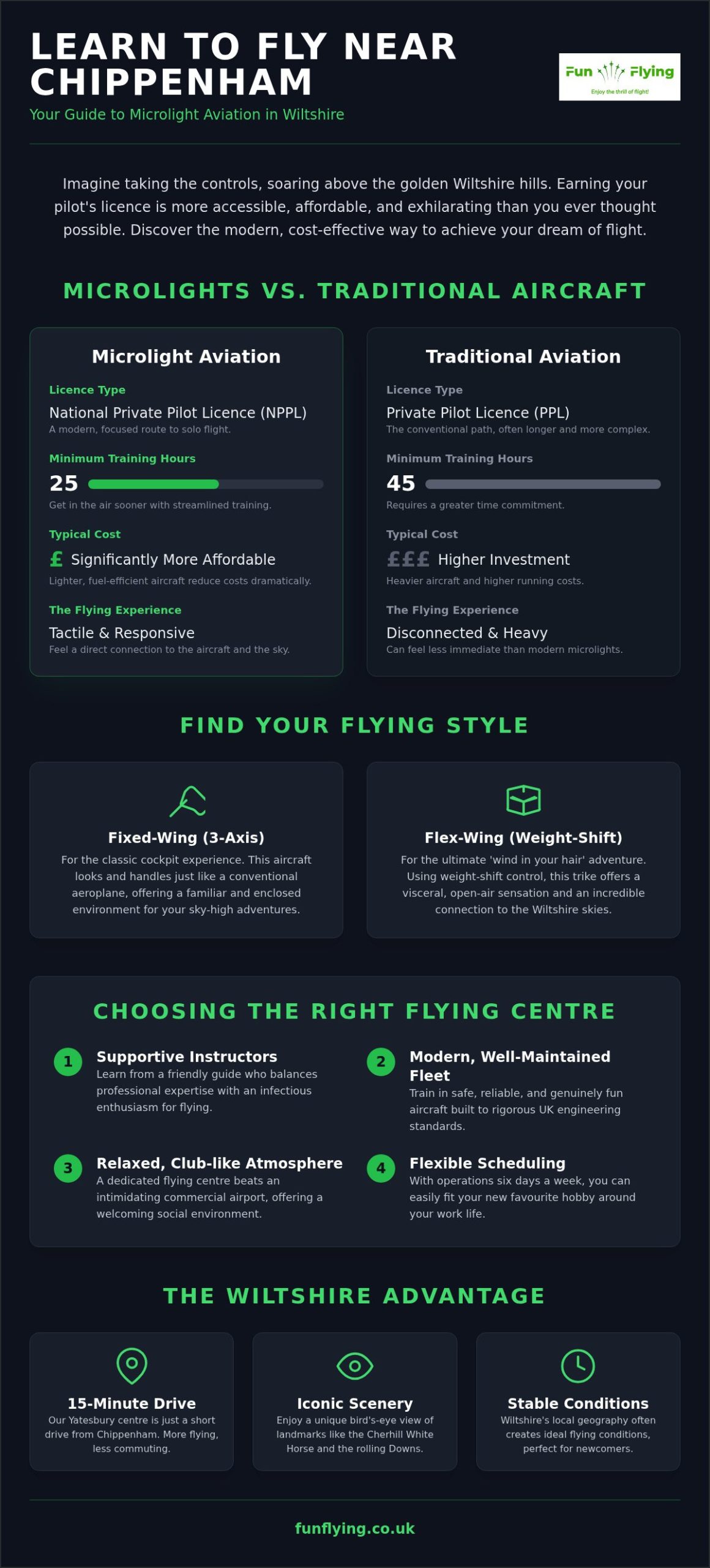
Imagine sitting in the pilot’s seat, looking down at the golden Wiltshire hills while you personally bank the aircraft into a gentle turn. Most people assume that taking flying lessons near Chippenham is a dream reserved for the wealthy or those with years of engineering knowledge. You might worry about drowning in complex technical jargon or think it’s impossible to squeeze training into your hectic work week. We get it. The truth is that starting your aviation journey is far more accessible and affordable than you ever imagined.

This guide reveals how you can take control of a microlight from your very first lesson at a friendly, local centre just a 15-minute drive away in Yatesbury. We’ll show you a clear path to earning your licence with a flexible schedule that works around your life, six days a week. From the heart-pounding excitement of trial flights to the ultimate freedom of the open sky, discover why your seat in the cockpit is already waiting for you.

Key Takeaways

  • Discover how easy it is to start flying lessons near Chippenham and soar above iconic Wiltshire landmarks like the historic white horses.
  • Learn why microlighting is the most cost-effective and modern way to earn your wings without the high costs or complexity of traditional aviation routes.
  • Find out why a supportive instructor and a modern, well-maintained fleet are the most important factors when choosing your local flight school.
  • Understand how you can take control of the aircraft from your very first lesson and fit training into your life with flexible schedules six days a week.

Your Sky-High Adventure: Discovering Flying Lessons near Chippenham

Imagine the sensation of lifting off and seeing the world shrink beneath you. It’s not just a dream; it’s exactly what happens when you start flying lessons near Chippenham. Unlike traditional aviation, which can feel heavy and disconnected, microlighting offers a pure, tactile experience. These modern, lightweight aircraft are the ultimate game-changers, providing a responsive and exciting way to explore the skies. You aren’t just a passenger here. From your very first trial flight, you’ll have your hands on the controls, feeling the aircraft react to your every move under the guidance of a professional instructor. It’s the most accessible way to start your aviation journey right on your doorstep in Wiltshire.

The Magic of the Wiltshire Landscape from Above

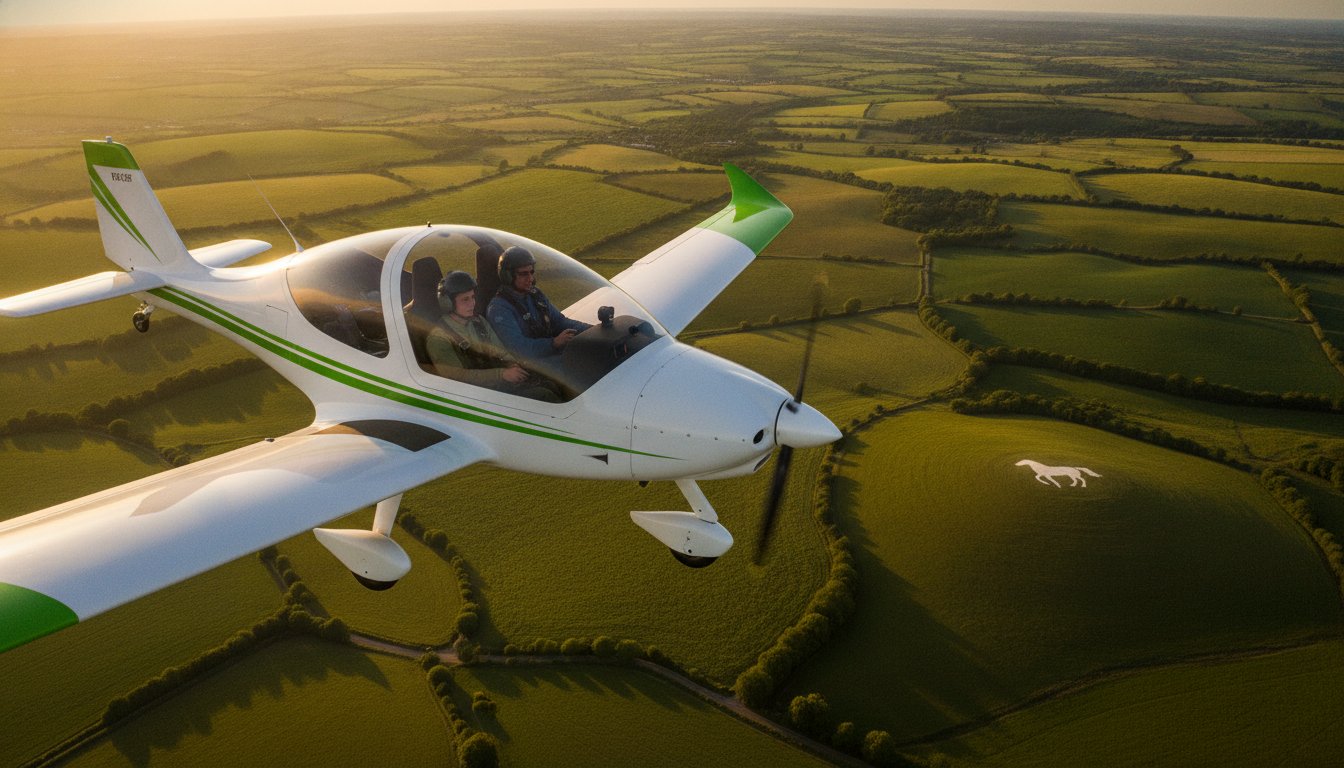
Flying over Wiltshire is a visual feast. As you climb, the historic Cherhill White Horse reveals itself in full glory; it’s a view few ever get to see from this perspective. The rolling Wiltshire Downs provide more than just a stunning backdrop. The local geography often creates stable flying conditions that are perfect for newcomers. Spotting local landmarks from a bird’s eye view transforms the familiar landscape into a vast, breathtaking playground. There’s nothing quite like identifying your own neighbourhood from a thousand feet up.

Why Local Matters: Convenience for Your Aviation Journey

Choosing a school close to home is the secret to success. Our centre at Yatesbury is just a short, 15-minute drive from Chippenham, meaning you spend less time commuting and more time in the cockpit. Maintaining training momentum is vital when you’re mastering new skills. Because we operate six days a week, you can easily learn to fly around your existing work schedule. This flexibility ensures your new favourite hobby remains a joy rather than a chore, helping you progress quickly towards your pilot licence.

Microlights vs Traditional Aircraft: Which Path is Right for You?

Choosing the right path for your flying lessons near Chippenham often comes down to one question: what kind of pilot do you want to be? Traditional aviation often feels like a steep, expensive climb, but microlighting opens a much more accessible door. Modern microlights are high-performance aircraft that are just as safe and sophisticated as their larger cousins. Because they’re lighter and more fuel-efficient, the cost of training is significantly reduced. You’re getting the same thrill of flight without the elite price tag or the stuffy atmosphere often found in traditional flight schools.

Fixed-Wing vs Flex-Wing: Finding Your Style

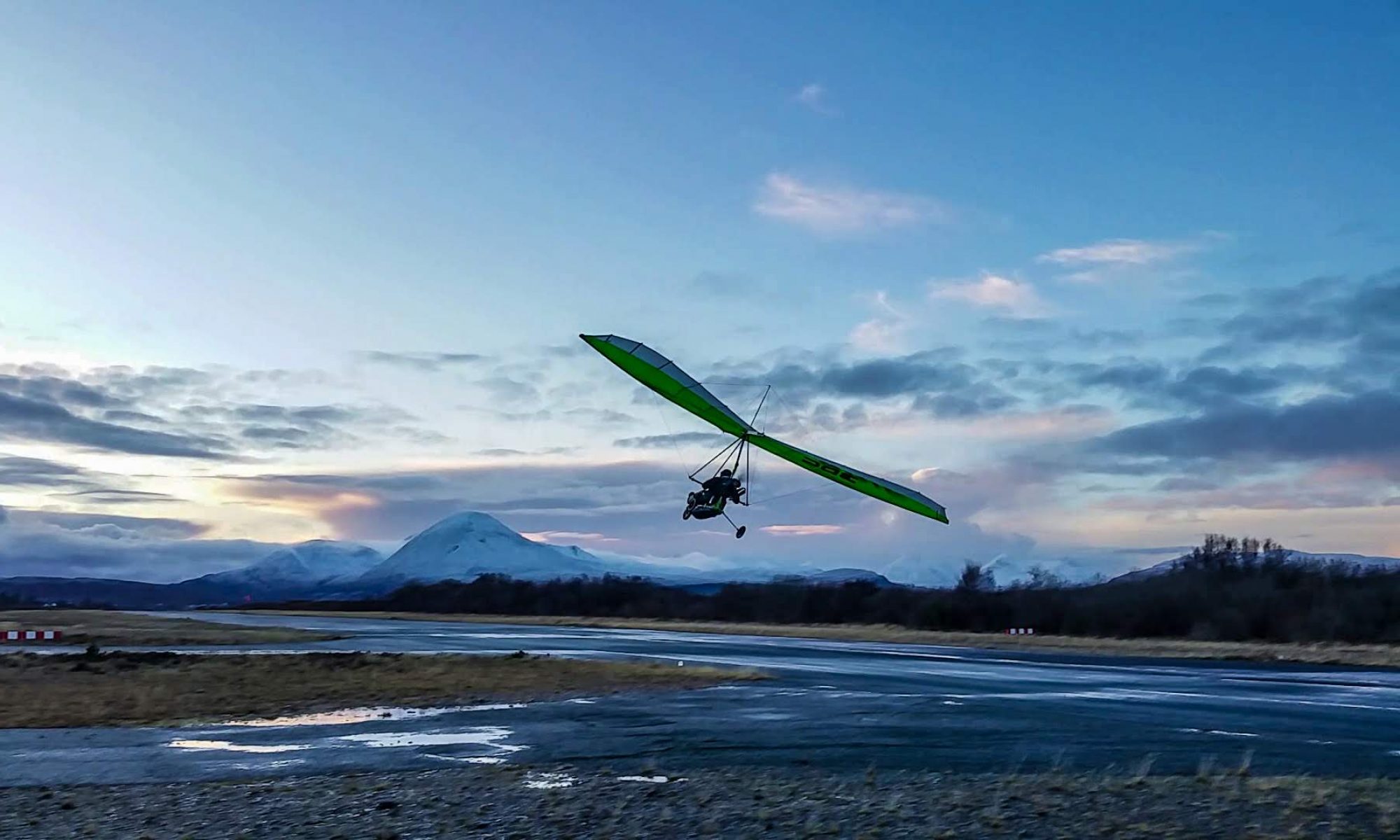
Do you crave the classic cockpit experience or the ultimate “wind in your face” adventure? Three-axis microlights look and handle exactly like a conventional aeroplane, providing a familiar and enclosed environment. If you want a more visceral, open-air sensation, the flex-wing trike is for you. It uses weight-shift control, giving you an incredible sense of connection to the Wiltshire skies. Both styles are exhilarating; it simply depends on the feeling of flight you’re looking for.

The NPPL Advantage: A Simpler Route to Your Wings

The National Private Pilot Licence (NPPL) is the secret weapon for recreational pilots. While a traditional Private Pilot Licence often requires 45 hours of training, the NPPL for microlights can be achieved in as little as 25 hours. This focused approach gets you into the air sooner and keeps your training momentum high. It’s a practical, modern route to solo flight that doesn’t compromise on safety or skill. Learn more about NPPL microlight training UK to see how this streamlined training fits your goals.

Safety is always the top priority. Modern microlights are built to rigorous UK engineering standards and are incredibly robust. They offer a stable, reliable platform for learning, ensuring you feel confident and secure from your very first take-off. If you’re looking for a smart, thrilling way to start your journey, this is it.

Choosing Your Local Flying School: 4 Essential Factors to Consider

Selecting the right environment for your flying lessons near Chippenham is the most important decision you’ll make. It’s not just about finding a place with a runway; it’s about finding a community that fuels your passion. You need an instructor who acts as a friendly guide, balancing professional expertise with infectious enthusiasm. Fleet quality is just as vital. Learning in a modern, well-maintained aircraft ensures your time in the air is both safe and genuinely fun. Don’t settle for a school that feels like a factory.

Why Atmosphere Beats Infrastructure

Busy commercial airports can be intimidating for newcomers. A dedicated flying centre offers a relaxed, club-like feel where you can chat with other pilots and students. This social side makes the learning process much more inclusive. It’s also worth checking if they provide dedicated microlight ground school UK support. Having expert help with the theory side of aviation turns a daunting task into an achievable goal.

Checking for Flexibility and Support

Does the school fit your lifestyle? Since your time is precious, look for a centre that operates six days a week. This flexibility allows you to maintain training momentum without sacrificing your work-life balance. A top-tier school should offer a complete range of services, including trial flights, full licence training, and even licence revalidations. Your first lesson should always be a no-pressure trial flight, giving you the chance to take control and see if the instructor vibe is right for you.

Book your first lesson and take control

Flying Lessons near Chippenham: Guide to Wiltshire Skies

Why Yatesbury is the Favourite Hub for Chippenham Pilots

Location is everything. While some schools operate from busy, impersonal tarmac strips, the Wiltshire Microlight Centre at Yatesbury feels like home. It’s just a 15-minute drive from the town centre, making flying lessons near Chippenham incredibly convenient. Our Fun Flying philosophy is simple. We believe aviation should be inclusive, upbeat, and undeniably exciting for everyone. You won’t find any stuffy, elite attitudes here; just a group of people who truly love being in the air.

Your First Lesson at Yatesbury: What to Expect

The moment you arrive at the airfield, the buzz of anticipation is real. You’ll meet your instructor, an “Expert Enthusiast” who perfectly balances professional safety with pure, unadulterated fun. After a brief but thorough walkaround of the aircraft, you’re straight into the cockpit. We don’t believe in making you sit on the sidelines. You’ll be taking the controls and feeling the aircraft climb into the Wiltshire air from your very first minute. It’s a visceral, heart-pounding experience that immediately turns observers into active participants.

Joining the Fun Flying Family

Joining us means becoming part of a local family that shares your passion for the clouds. We provide comprehensive support that goes far beyond the cockpit. Whether it’s tackling theory in our ground school sessions or joining group fly-outs to other airfields, you’re never flying alone. This camaraderie is what makes Yatesbury the perfect spot for flying lessons near Chippenham. If you’re ready to map out your progress, check out how many hours you might need for your licence and see how quickly you can join our ranks. The Wiltshire skies are calling; it’s time to answer.

Your Journey to the Clouds Starts Today

The dream of flight is closer than you think. You’ve discovered that microlighting isn’t just a hobby for the elite; it’s an accessible, high-energy adventure right on your doorstep. By choosing flying lessons near Chippenham at our Yatesbury centre, you’re opting for a supportive community and expert instructors who live for the thrill of the sky. Remember, you won’t be a spectator. You’ll take control of the aircraft from your very first lesson. With our flexible schedules operating six days a week, fitting your training around a busy work life has never been simpler. It’s time to stop looking up at the clouds and start looking down at the world from the pilot’s seat.

Start your aviation journey with a trial flight at Fun Flying today!

We can’t wait to see you at the airfield and help you earn your wings. The Wiltshire skies are waiting for their newest pilot, and that pilot is you.

Frequently Asked Questions

How much do flying lessons near Chippenham usually cost?

Costs for flying lessons near Chippenham depend on whether you are booking a one-off experience or a full training course. Microlighting is widely regarded as the most accessible and cost-effective route into aviation. It offers a much lower entry point than larger aircraft types. You can pay for lessons as you go, which helps you manage your budget whilst you work towards the freedom of your own pilot licence.

Do I need any previous experience to book a trial flying lesson?

No previous experience is required to step into the cockpit. These lessons are tailored for complete newcomers, providing a supportive environment where you can learn at your own pace. Your instructor will guide you through every step, and you’ll be encouraged to take control of the aircraft during your very first flight. It’s all about making the magic of aviation inclusive and exciting for everyone, regardless of their background.

What is the minimum age to start taking flying lessons in the UK?

There is no upper age limit, but the UK has clear rules for younger pilots. You can start your training at any age; however, you must be 14 for hours to count towards a licence. You can fly solo from age 16 and hold a full licence at 17. Starting young is a brilliant way to develop discipline and a lifelong passion for the Wiltshire skies whilst building technical skills.

Is microlight flying safer than traditional light aircraft?

Modern microlights are exceptionally safe and engineered to the highest UK standards. They are often more agile than traditional light aircraft and have much lower landing speeds, which provides a significant safety advantage. Every aircraft in our fleet is meticulously maintained. Our professional instructors focus on building your confidence through practical, hands-on training, ensuring you feel secure and supported every time you leave the ground at Yatesbury.

How long does it take to get a microlight pilot licence from a local school?

You can earn your NPPL (Microlight) licence in as little as 25 hours of flight training. This is much faster than traditional aircraft requirements, making it the perfect choice for flying lessons near Chippenham. Because we operate six days a week, you can maintain a consistent training rhythm. Your progress depends on how often you fly, but the journey is designed to be straightforward, rewarding, and undeniably fun.

Marce Colucci

Article by

Marce Colucci

Love to fly, and more importantly, love teaching others to fly.

Verified by ExactMetrics