What to know before buying your first kit-built microlight aircraft (and how to get airborne sooner!)

What to know before buying your first kit-built microlight aircraft (and how to get airborne sooner!)

Forget everything you think you know about buying your first kit-built microlight. Owning your own aircraft doesn’t have to be a maze of confusing choices or hidden costs. Whether you’re drawn to a sleek fixed-wing microlight kit or a nimble flexwing, this guide breaks down what matters most—so you can get airborne sooner and with confidence. Ready to take off? Learn more about how to navigate your first kit-built microlight purchase with ease.

Choosing Your Perfect Microlight Kit
Selecting the right microlight kit is the first step in your aviation journey. With multiple options available, let’s explore what suits your flying dreams best.

Flexwing vs Fixed-Wing: Which to Pick?

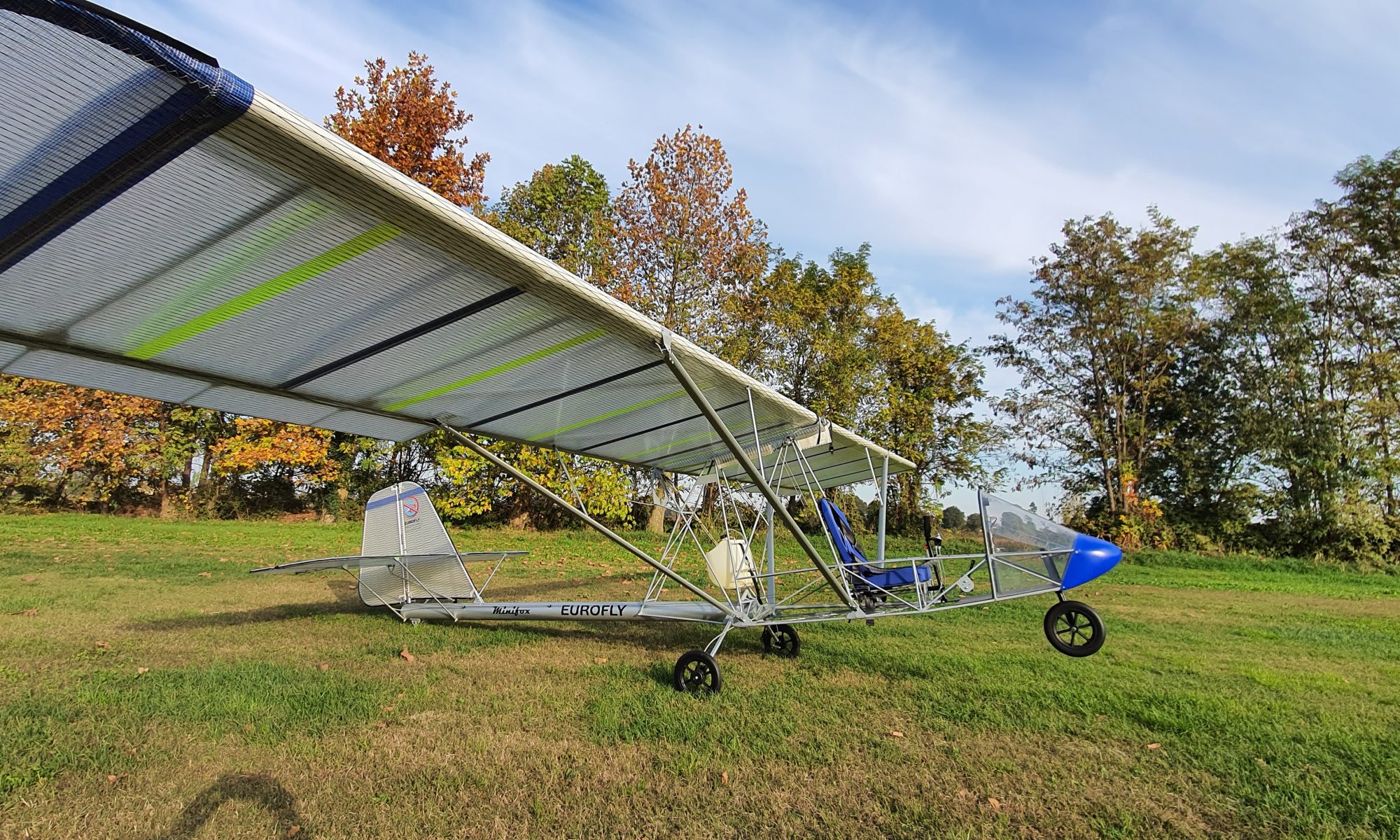
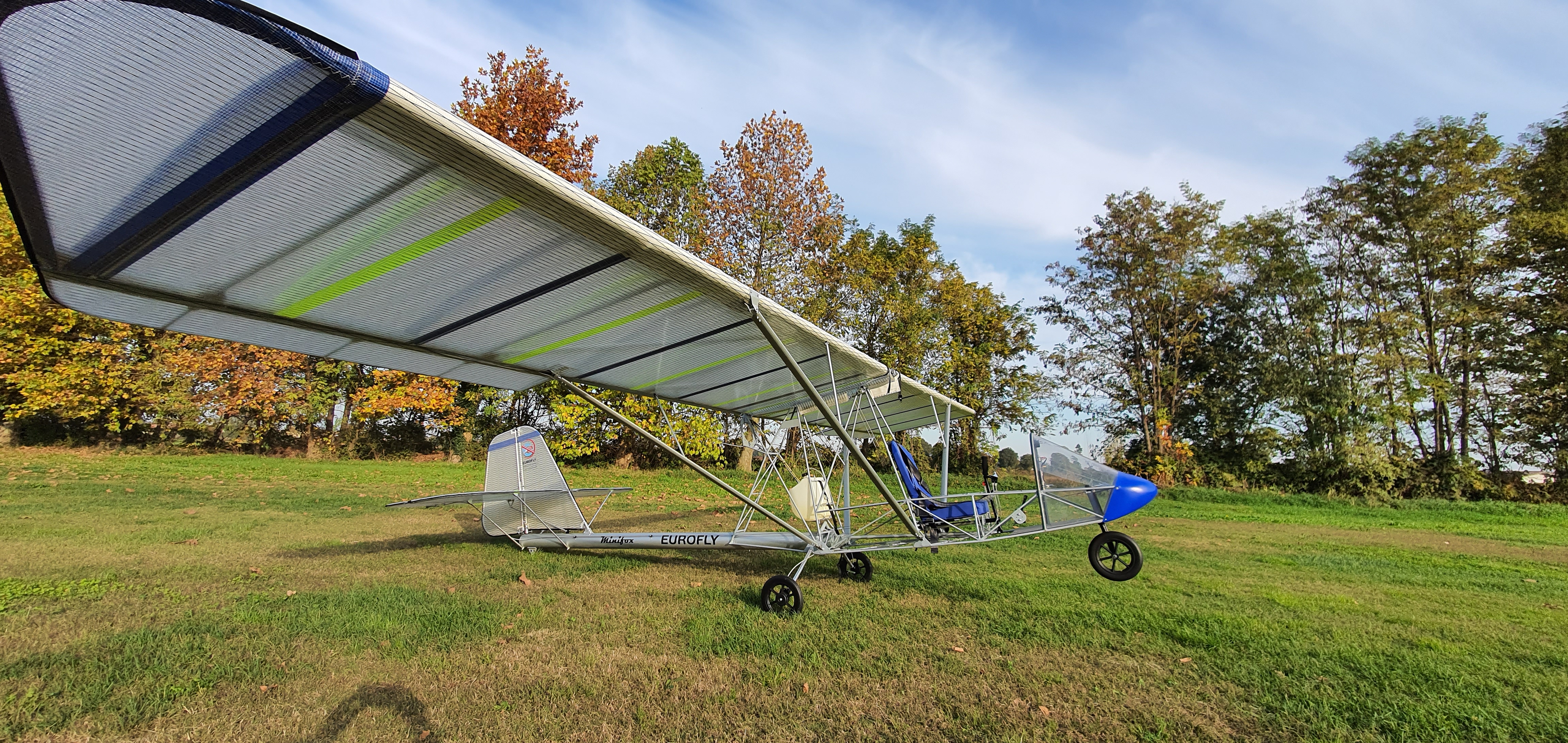
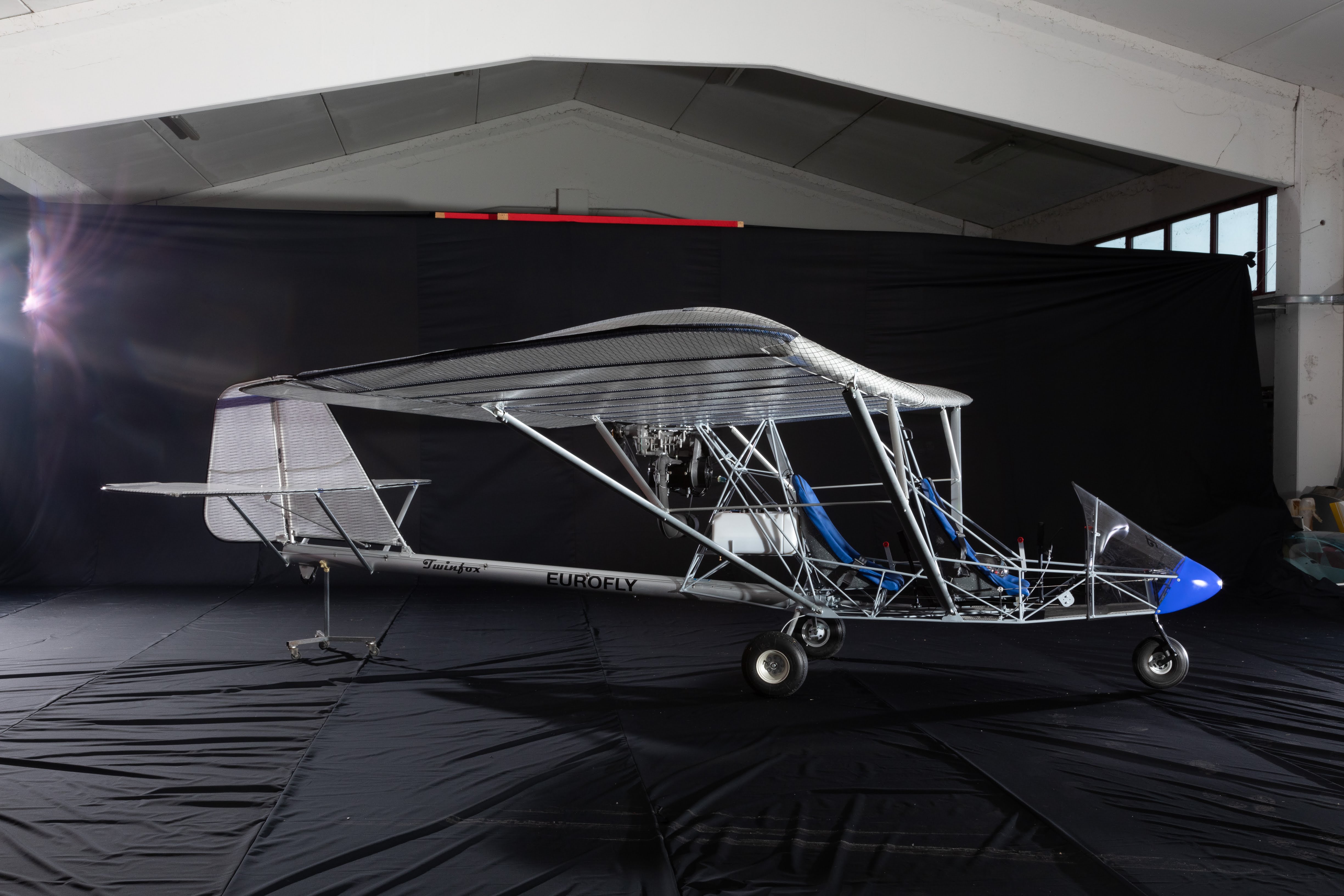
Choosing between a flexwing and a fixed-wing microlight often depends on your flying style. Flexwing microlights are known for their open cockpit design and flexibility. They offer a thrilling, wind-in-your-face experience. The fixed-wing, like the Minifox SSDR, offers a more enclosed cockpit, providing comfort during longer flights. If you’re after agility, the flexwing might be your choice, but if endurance and stability are your priorities, consider a fixed-wing.

An example: imagine the open skies on a sunny day, gliding gracefully in your flexwing. For those who love adventure, this can be a dream come true! Meanwhile, many pilots appreciate the affordability and low running costs of a fixed-wing microlight, making it perfect for budget-conscious flyers.

Budgeting Your Dream: Costs and Considerations

When budgeting for your microlight, consider both upfront and ongoing costs. A fixed-wing microlight kit like the Minifox starts at around £21,500. While this may seem steep, remember that these kits require minimal ongoing permit fees. The running costs are less than a small car, thanks to efficient engines and lightweight design.

Don’t forget about insurance. For example, microlight insurance in the UK can vary, so it’s best to get quotes tailored to your situation. Cost also depends on whether you want a ready-built version or prefer to assemble it yourself. Building can save money, but it also requires time and effort.

Time to Build: What to Expect

Building your microlight is more than a project; it’s a passion. Assembly times vary: a Minifox kit might take less than 100 hours. This investment not only saves money but also deepens your connection with your aircraft. Many find the process rewarding and informative. If you prefer a ready-to-fly option, it’s available too, ensuring you can hit the skies sooner.

Consider joining communities where builders share tips and experiences. The journey from kit to airworthy aircraft is a rewarding adventure that teaches you about your plane inside and out.

Navigating the Path to Flight

Once you’ve chosen your perfect microlight, it’s time to make it flight-ready. Understanding permits, training, and maintenance is key to smooth takeoffs and landings.

Securing a Permit to Fly and Inspections

Before taking off, ensure your microlight is legally set to fly. In the UK, it may require a permit to fly. The British Microlight Aircraft Association (BMAA) typically handles this, ensuring your aircraft meets safety standards. This process might seem daunting, but many beginners find it straightforward with the right guidance.

By joining aviation groups, you can gain support and advice from seasoned pilots who’ve navigated this path. For example, a vibrant Facebook community exists where you can connect with fellow enthusiasts.

Essential Microlight Training in the UK

Proper training is crucial for safe flying. Microlight training in the UK typically involves lessons with certified instructors. These lessons cover basic flight principles, safety procedures, and hands-on practice. Many schools offer affordable flying lessons tailored to all skill levels.

Training not only prepares you for solo flights but also builds confidence. Imagine the thrill of your first solo flight, knowing you’re well-prepared for any situation. For more on what training involves, check out this BMAA page..

Microlight Maintenance and Hangarage Options

Maintenance ensures your microlight remains in top condition. Routine checks can prevent issues and extend your aircraft’s life. Many microlight owners perform basic maintenance themselves, which is both cost-effective and educational. Choosing the right hangarage option is important too. Some microlights, like the Minifox, have foldable wings, allowing storage in smaller spaces.

Getting Your Wings with Fun Flying Aviation
Embarking on your microlight adventure with Fun Flying Aviation ensures you’re supported every step of the way. Let’s explore how we can make your flying dreams a reality.

Trial Flying Lessons: Your First Step

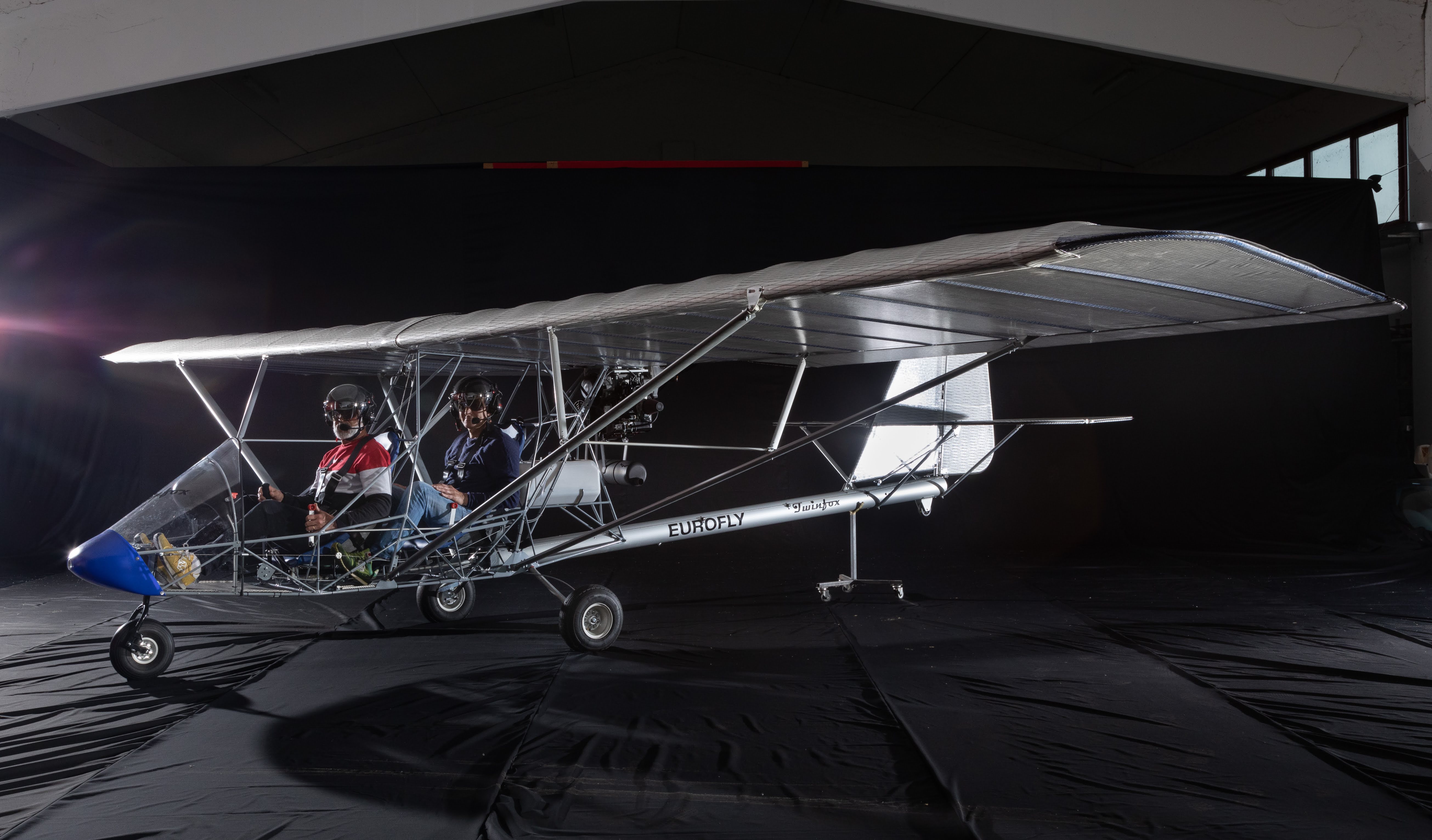
A trial flying lesson is the perfect introduction to the world of microlights. Experience the freedom of flight with an instructor by your side. You’ll learn basic controls and get a feel for the aircraft, igniting your passion for flying. Many describe this first flight as unforgettable, a moment when the dream of piloting becomes reality.

Booking a trial lesson is simple and can open doors to future adventures. It’s a chance to explore the skies and see if flying is right for you.

Community Support and Continued Learning

Joining Fun Flying Aviation means becoming part of a vibrant community. We offer continuous learning opportunities, from advanced training to social events. Sharing experiences with fellow enthusiasts enhances your journey, making it more enjoyable and fulfilling.

Our community is diverse, including everyone from budding pilots to seasoned aviators. Together, we celebrate milestones and foster a spirit of camaraderie.

Exclusive Kit-Buying Consultation and Checklist Offer 🚁

Ready to make your dream of aircraft ownership a reality? At Fun Flying Aviation, we offer a complimentary pre-purchase consultation. Our experts guide you through the buying process, ensuring you choose a microlight that fits your needs.

What’s more, our detailed checklist helps you consider all aspects, from budget to build time. This service empowers you to make informed decisions, setting you on a path to flying success.

In conclusion, buying and flying your own microlight is an exciting journey filled with discovery and achievement. With the right guidance and resources, you can soar the skies with confidence. Fly with Fun Flying Aviation and turn your flying aspirations into reality!
Book your first lesson today.

Your First Kit‑Built Microlight: What to Know Before You Start!

Your First Kit‑Built Microlight: What to Know Before You Start!

Forget everything you think you know about flying your own aircraft. Buying your first kit-built microlight is a thrilling adventure filled with exciting choices—from picking the right SSDR microlight to understanding costs and safety. We’ll guide you through everything you need to know, so your journey into the microlight community starts on the right wing. Ready to take off? For additional insights, check out this guide to kit aircraft.

Choosing Your First Microlight Kit

Embarking on the adventure of owning a microlight starts with the thrilling selection process. You’ll find a world of possibilities, but how do you narrow it down? Let’s break it down step by step.

Budgeting and Costs

Before you dive into models and styles, let’s talk numbers. Your budget shapes your choices. Microlight kits vary widely in price, from affordable entry-level options to more premium builds. Keep in mind that the cost of a kit is just the beginning. You’ll need to factor in tools, workspace, and any additional parts. Remember, the initial price isn’t everything; consider the long-term value and maintenance costs. Being smart with your budget now can lead to more enjoyable flying later.

Picking the Right Model

Choosing a microlight model is like picking the perfect pair of shoes—it needs to fit your style and needs. Are you looking for speed, range, or ease of assembly? Research is your friend here. Look into the Minifox SSDR or EOS Quattro engine, which are popular among beginners. Each model has distinct features, so consider what matters most to you. If you’re unsure, joining forums or visiting events where you can see different models can provide valuable insights. For more details on beginner-friendly models, visit Custom Aircraft Builders.

Essential Kit Components

Understanding what comes in your kit is crucial. Most kits will include the aircraft frame, wings, and necessary hardware. Check if the engine is part of the package or if it needs to be purchased separately. Pay attention to the quality of materials used, as this affects durability and performance. Some kits offer options to customise components, which can enhance your building and flying experience. Knowing these details upfront avoids surprises down the road. If you’re curious about the essential components in a homebuilt aircraft, Kitplanes offers a comprehensive guide.

Building and Safety Considerations

Assembling your microlight involves more than just putting parts together. Safety is key. Let’s explore how to set up for a successful build.

Setting Up Your Workspace

Creating the right environment for your build is essential. You’ll need a space that’s not only large enough to accommodate the aircraft but also well-lit and organised. An organised space ensures you have easy access to tools and parts, which can save time and reduce frustration. Investing in quality tools can make the building process smoother and more enjoyable. Consider safety gear, such as gloves and goggles, to protect yourself during construction.

Navigating the Permit to Fly

In the UK, obtaining a permit to fly is a crucial step in bringing your microlight to life. This permit ensures your aircraft meets safety standards. The process involves inspections and paperwork but don’t be intimidated. Many find it helpful to connect with experts or join microlight clubs for guidance. Their experience can make navigating the permit process smoother and less daunting. Understanding the permit process can boost your confidence in flight readiness.

Microlight Safety Tips

Safety in the skies starts on the ground. Regular maintenance is crucial to ensure your microlight remains in top condition. Routine checks of critical components, like the engine and wings, are vital. Create a checklist to follow before each flight; it’s a simple way to ensure all systems are go. Being part of the microlight community also means sharing safety tips and learning from seasoned pilots. Embracing a safety-first mindset makes flying not only enjoyable but also reassuringly secure. For more safety insights, explore this non-builder’s guide to buying a homebuilt.

Embracing the Microlight Community

Once your microlight is ready for takeoff, you’ll find a vibrant community waiting. Let’s explore how you can connect and grow with fellow enthusiasts.

Training and Support Options

Gaining confidence in flying your microlight starts with the right training. Affordable flight training options abound, making it easier to get started. Look for courses that offer hands-on experience in microlight flying. Ongoing support from instructors can provide peace of mind as you learn. Many training programs are run by passionate pilots who are eager to share their knowledge. This support network is invaluable as you hone your skills and prepare for solo adventures. To connect with supportive communities, explore this Facebook group.

Engaging with Fellow Builders

Joining a group of fellow builders offers camaraderie and shared knowledge. Whether online or in-person, these communities are treasure troves of tips and shared experiences. Engaging with other builders can inspire you, spark new ideas, and provide support when you hit a snag. Sharing your build journey also adds to the collective knowledge and helps others. Most people think building is solo work, but it’s truly a team effort within these circles.

Enjoying Club Days and Demo Events

Club days and demo events are where the fun really takes off. These gatherings allow you to see different microlights in action, try out new models, and meet like-minded individuals. They offer a chance to learn from demonstrations and participate in friendly competitions. Such events are perfect for networking and growing your passion for microlight flying. The excitement and energy of these events can reignite your love for aviation and open new avenues for exploration.

✈️🌍

As you embark on your microlight journey, remember that each step is a chance to learn and connect. With the right preparation and an enthusiastic community, the sky isn’t the limit—it’s just the beginning!

Get in touch today to find out more

Before You Buy Your First Kit‑Built Microlight: The Essential Pre‑Purchase Guide

Before You Buy Your First Kit‑Built Microlight: The Essential Pre‑Purchase Guide

Forget everything you know about buying a kit-built microlight. Many first-timers jump in without the full picture, only to face surprises in costs, build time and permit rules. This guide clears the fog, giving you the key facts on choosing your perfect sub-70 microlight, from the Minifox SSDR to the EOS Quattro engine—and how Fun Flying Aviation’s community and training make your first flight a celebration, not a struggle.

Understanding Kit-Built Microlights

Step into the world of microlights—a realm where building your own flying machine becomes an attainable dream. Let’s explore what it takes to craft your own aircraft.

What is a Kit-Built Microlight?

A kit-built microlight is an aircraft you assemble yourself. Think of it as a project that results in your own personal flying machine. These kits contain all the parts and instructions you need to build an aircraft at home. The best part? You don’t need a degree in engineering to get started. With patience and dedication, you can create a plane that reflects your passion for flight.

Kit-built microlights are popular among aviation enthusiasts because they offer flexibility. You choose how to customise your plane, from its colour to its features. These microlights fall under the SSDR category, meaning they’re exempt from some regulations, making them simpler to operate once built. Imagine soaring through the skies, knowing you assembled your aircraft with your own hands.

Key Benefits of Building Your Own

Building your own microlight offers several exciting benefits. First, there’s the unmatched satisfaction of flying something you’ve created. Each flight becomes a testament to your hard work and dedication. It’s not just about flying; it’s about the journey from parts to airborne adventure.

Second, building your own plane is often more affordable than buying a ready-made one. You can spread costs over time, purchasing parts as your budget allows. This makes aviation accessible to more enthusiasts. Plus, when you build, you gain in-depth knowledge of your aircraft. This understanding can be invaluable for maintenance and repairs.

Lastly, building a microlight connects you to a community of like-minded enthusiasts. Sharing tips and experiences with others can be as rewarding as the building process itself. You’ll find support and camaraderie every step of the way.

Typical Costs and Timelines

Curious about the costs? Building a microlight can range from a few thousand pounds to over £20,000, depending on the model and features you choose. For instance, a Minifox SSDR kit, complete with a Corsair Black Bull engine, starts from £21,500. This includes everything you need to get airborne.

Building timelines vary, too. Some kits can take less than 50 hours to complete, while others may require up to 100 hours. Your pace, experience, and available time will influence how quickly you progress. Just imagine: within a few months, you could be piloting your own creation! Don’t rush the process; each step is a learning opportunity.

Navigating the Buying Process

Once you’ve decided to build your own microlight, the next step is choosing the right kit and navigating the buying process. Here’s how to make informed choices.

Choosing the Right Microlight Kit UK

Selecting the right microlight kit is crucial. Start by considering your flying needs and preferences. Do you want a fixed-wing or flexwing aircraft? Fixed-wing microlights like the Minifox offer stability, while flexwing options provide agility and ease of transport. Both have their unique charm.

Research is key. Explore various kits online and read reviews from other builders. Websites like Kitplanes offer insights into different models and their features. Also, visit forums and social media groups to gather firsthand experiences from other builders. This will help you identify the kit that aligns with your vision and skill level.

Don’t forget to factor in your budget. While some kits are more affordable, others offer advanced features that may be worth the investment. Determine your priorities and choose a kit that fits within your financial plan.

Essential Pre-Purchase Inspection Tips

Before purchasing, it’s essential to inspect the kit components. This step ensures you’re getting a quality product. Begin by checking the condition of parts—are they new and undamaged? Quality components are crucial for the longevity and safety of your microlight.

Verify the completeness of the kit. Make sure all parts listed in the manual are included. Missing parts can cause delays and additional costs. If possible, contact previous buyers to learn about their experiences with the supplier. Their insights can be invaluable.

Finally, review the manufacturer’s support. Good customer service and technical support can make a significant difference during the building process. Reach out to the supplier with any questions, and evaluate their responsiveness and willingness to help.

Permit to Fly Guidance

Navigating the legal requirements can be daunting, but it’s a necessary step. In the UK, microlights typically require a Permit to Fly. This document certifies your aircraft is safe for flight. The process involves inspections and paperwork, so it’s wise to start early.

Begin by familiarising yourself with the requirements set by the Civil Aviation Authority. They outline the steps and documents you’ll need. It’s also helpful to join online communities, like the Experimental Aircraft Facebook group, where you can ask questions and share experiences.

Once your microlight is complete and inspected, you’ll submit an application for the permit. This includes detailed information about your aircraft and its build process. Remember, the sooner you start the paperwork, the quicker you’ll be in the sky.

Building and Flying Your Microlight

With your kit chosen and paperwork in order, it’s time to focus on the build and flight process. Let’s explore how to bring your aircraft to life.

Tips for Building a Microlight

Building a microlight requires patience and attention to detail. Start by creating a dedicated workspace with ample lighting and room for all components. Organise your tools and parts for easy access, and follow the assembly manual step by step.

Don’t rush the build. Take your time to ensure each part is correctly fitted and secured. Many builders find it helpful to keep a journal of their progress. Documenting your build helps track your progress and can be a valuable resource if you encounter any issues.

Join a community of builders. Whether online or in-person, connecting with others can provide support and motivation. Share your experiences and learn from others who have walked the same path. Building is as much about community as it is about the aircraft itself.

Microlight Training UK: What to Expect

Training is a crucial part of your microlight journey. In the UK, you’ll need to complete a microlight training course with a qualified instructor. This training equips you with the skills and knowledge to safely pilot your aircraft.

Courses typically cover both ground and flight training. You’ll learn about navigation, weather conditions, and emergency procedures. Practical flight training includes take-off, landing, and in-flight manoeuvres. By the end of the course, you’ll be confident in your ability to handle your microlight.

Fun Flying Aviation offers affordable flight training, designed to fit your schedule and budget. Our experienced instructors are passionate about helping you succeed. With the right training, you’ll be ready to explore the skies with confidence.

Finding Your Aviation Community UK

The journey doesn’t end once you’re airborne. Joining an aviation community enriches your flying experience. In the UK, numerous clubs and online groups welcome microlight enthusiasts. These communities offer a place to share experiences, ask questions, and form lasting friendships.

Consider attending fly-ins and aviation events. These gatherings are excellent opportunities to meet fellow enthusiasts and learn from their experiences. You’ll find camaraderie and support, making your flying adventures even more enjoyable.

At Fun Flying Aviation, we believe in the power of community. Our network of aviation enthusiasts is here to welcome you, share knowledge, and celebrate your achievements. Together, we create a vibrant space where passion for flight truly takes off.

✈️🛠️🎉

Embark on your microlight journey today. With careful planning, the right resources, and a supportive community, your dream of owning and flying a kit-built microlight is within reach. Happy flying!

Get in touch today to find out more

Your Pre‑Flight Checklist: What to Know Before Buying a Kit‑Built Microlight!

Your Pre‑Flight Checklist: What to Know Before Buying a Kit‑Built Microlight!

Forget everything you know about buying a kit-built microlight! Jumping into this adventure without weighing key factors can leave you grounded longer than you’d like. From budget and build time to skill level and microlight regulations UK, getting it right means more time soaring and less time stuck on the ground. Stick with us, and you’ll know exactly what to look for before you build a microlight of your own!

Budget and Skill Level Considerations

Before you take off, let’s talk about what you need to know regarding your budget and skills. These crucial factors determine how smoothly your journey will unfold.

Setting Your Budget

First things first: how much are you willing to spend? Setting a clear budget is essential. Kit-built microlights vary widely in price. Some can be quite affordable, while others may stretch your wallet. Consider what you’re comfortable investing. Remember, it’s not just the initial cost. You’ll also need to factor in assembly tools, maintenance, and possible upgrades. So, grab a calculator and pencil down your numbers. Being financially prepared ensures your journey stays thrilling and stress-free.

Assessing Your Skill Level

Now, let’s reflect on your skills. Are you a seasoned builder, or is this your first venture? Your experience level will influence the type of kit you should choose. If you’re new, opt for a kit with comprehensive instructions and support. Don’t shy away from seeking help when needed. Engaging with the microlight community can be invaluable. Experienced builders can offer tips and advice. Your skills will grow with each step, turning your dream of flight into reality.

Understanding Regulations and Performance

Navigating the skies is as much about understanding regulations as it is about the thrill of flight. Let’s dive into what you need to know about staying compliant and ensuring your microlight performs at its best.

Microlight Regulations UK

Flying isn’t just about taking off into the horizon. In the UK, specific regulations must be followed to ensure safe skies for all. The British Microlight Aircraft Association (BMAA) provides guidance to help you understand what’s required. From permits to airworthiness, getting familiar with these rules is important. The BMAA and Light Aircraft Association (LAA) are great resources. They can assist in ensuring your aircraft complies with all legal standards. Safety is paramount, and understanding the regulations is your first step toward a worry-free flight.

Evaluating Aircraft Performance

When it comes to performance, you want your microlight to be reliable and agile. How does it handle different weather conditions? What’s the fuel efficiency? These are key questions to consider. The Minifox SSDR microlight, for instance, offers excellent performance with low running costs. Think about the type of flying you plan to do. Evaluating these aspects ensures your microlight meets your expectations, whether you’re soaring through calm skies or navigating more challenging weather.

Community and Support

A strong community and robust support system make all the difference on your flying journey. Let’s explore how connecting with others and seeking guidance can enhance your experience.

Engaging with the Microlight Community

Joining a community of fellow enthusiasts can be incredibly rewarding. The microlight community is welcoming and full of experienced flyers eager to share their knowledge. Engaging with others can provide insights, tips, and encouragement. Online forums, like those on Reddit, are great places to start. Connect with local clubs or attend fly-ins to meet like-minded individuals. Building relationships within this community not only boosts your confidence but also enriches your flying adventure.

Accessing Training and Support

Don’t underestimate the importance of training. Quality training equips you with the skills needed to pilot your microlight safely. Fun Flying Aviation offers comprehensive training that caters to all skill levels. Whether you’re a novice or looking to refresh your skills, having access to expert guidance is crucial. Training courses provide practical knowledge and hands-on experience, ensuring you’re well-prepared for every flight.

✈️✨

By considering budget, skills, regulations, and community support, you’re setting yourself up for a successful microlight journey. With the right preparation, you’ll be ready to take to the skies safely and confidently. Happy flying!

Get in touch today to find out more

Verified by ExactMetrics