Microlight Flight Training in Wiltshire: Your Complete Guide to Earning Your Wings

Microlight Flight Training in Wiltshire: Your Complete Guide to Earning Your Wings

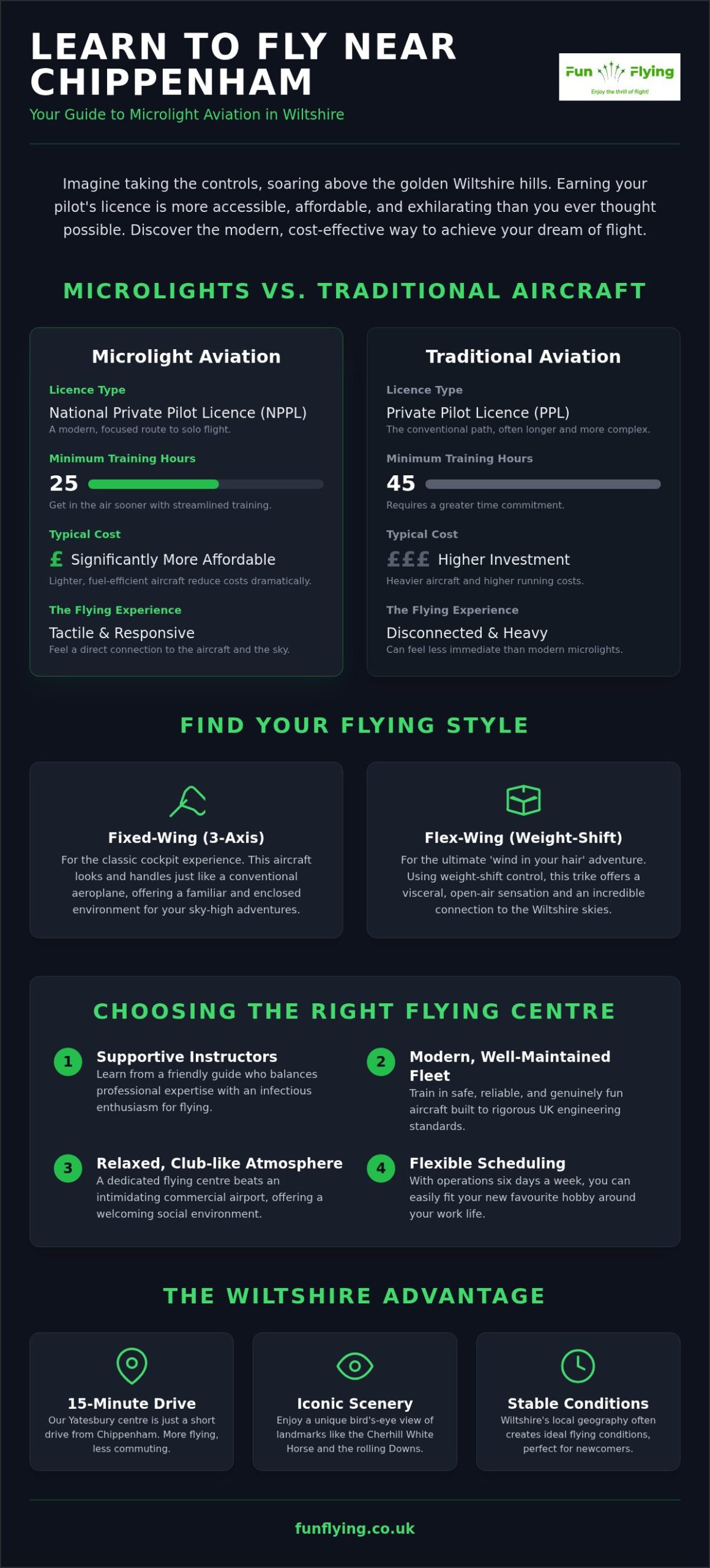
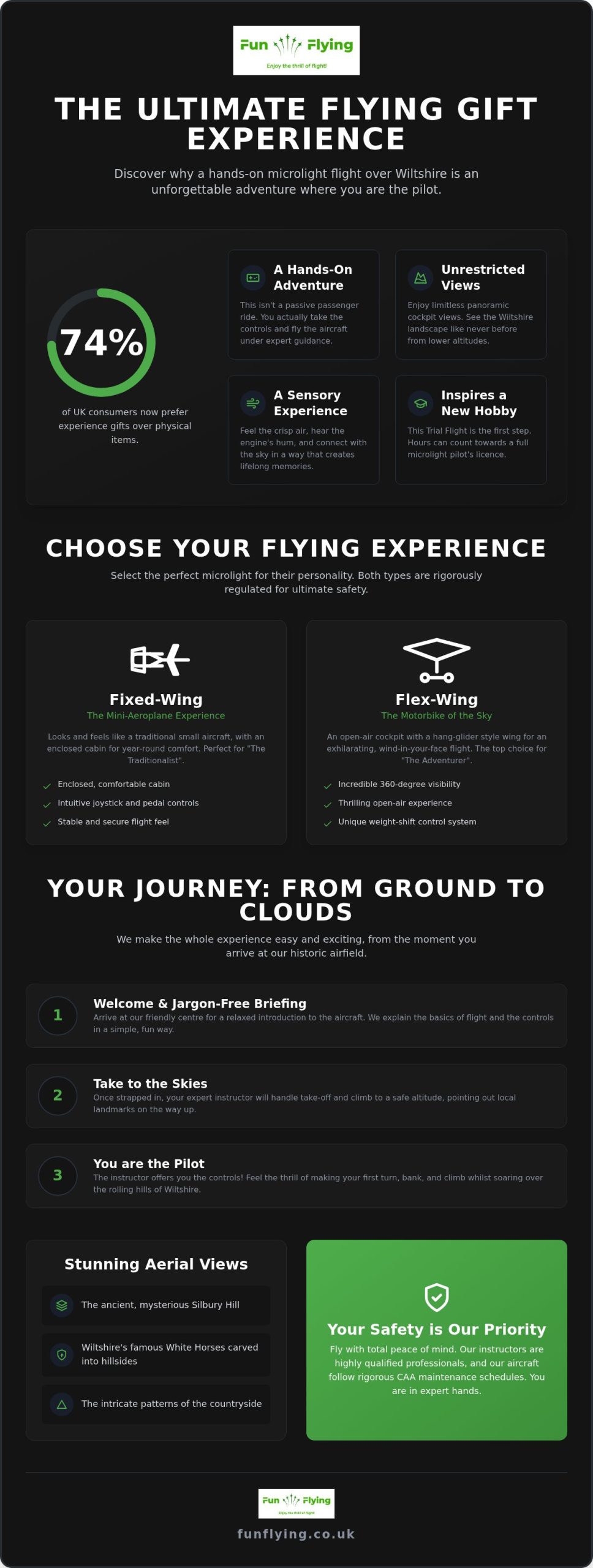
What if the only thing standing between you and the open sky wasn’t a massive bank balance or a lifetime of study, but simply the courage to take the first step? For those seeking microlight flight training Wiltshire provides an incredible landscape to learn, yet many assume flying is reserved for the elite, whilst others feel lost amongst a sea of licensing jargon. You might worry that your 9-5 schedule won’t allow for such an adventure. It’s easier than you think. If you’ve ever felt a pull toward the clouds, you’re not alone in that desire for true freedom.

In this guide, you’ll discover how training at the historic Yatesbury airfield, near Swindon, Bristol, and Bath, can transform your dream into reality. We’ll show you how to navigate the path toward your National Private Pilot’s Licence (NPPL) and join a friendly community of local aviators. From your very first lesson, you’ll learn how to take the controls and experience the sheer joy of flight. We’re going to break down everything from costs to the thrill of your first solo circuit.

Key Takeaways

  • Feel the immediate thrill of taking the controls on day one, ensuring you’re an active pilot from the moment you leave the ground at Yatesbury.
  • Explore how the stunning landmarks and open airspace make microlight flight training Wiltshire the most scenic and accessible way to earn your wings.
  • Get a clear, jargon-free guide to achieving your National Private Pilot’s Licence (NPPL) and unlocking the ultimate sense of personal freedom.
  • Discover how to seamlessly integrate your flight training into a busy life with flexible lessons that work around your existing commitments.

Why Wiltshire is the Ultimate Classroom for Microlight Flight Training

Imagine leaving the ground behind and feeling the air support you in a nimble, responsive aircraft. That is the essence of microlight aviation. It’s a structured programme designed to teach you how to pilot lightweight, agile aircraft with complete confidence. If you’re looking for microlight flight training Wiltshire is undoubtedly the best place to start. You aren’t just joining a course; you’re stepping into a world where the horizon is your only limit. It’s about freedom, autonomy, and the pure thrill of the chase.

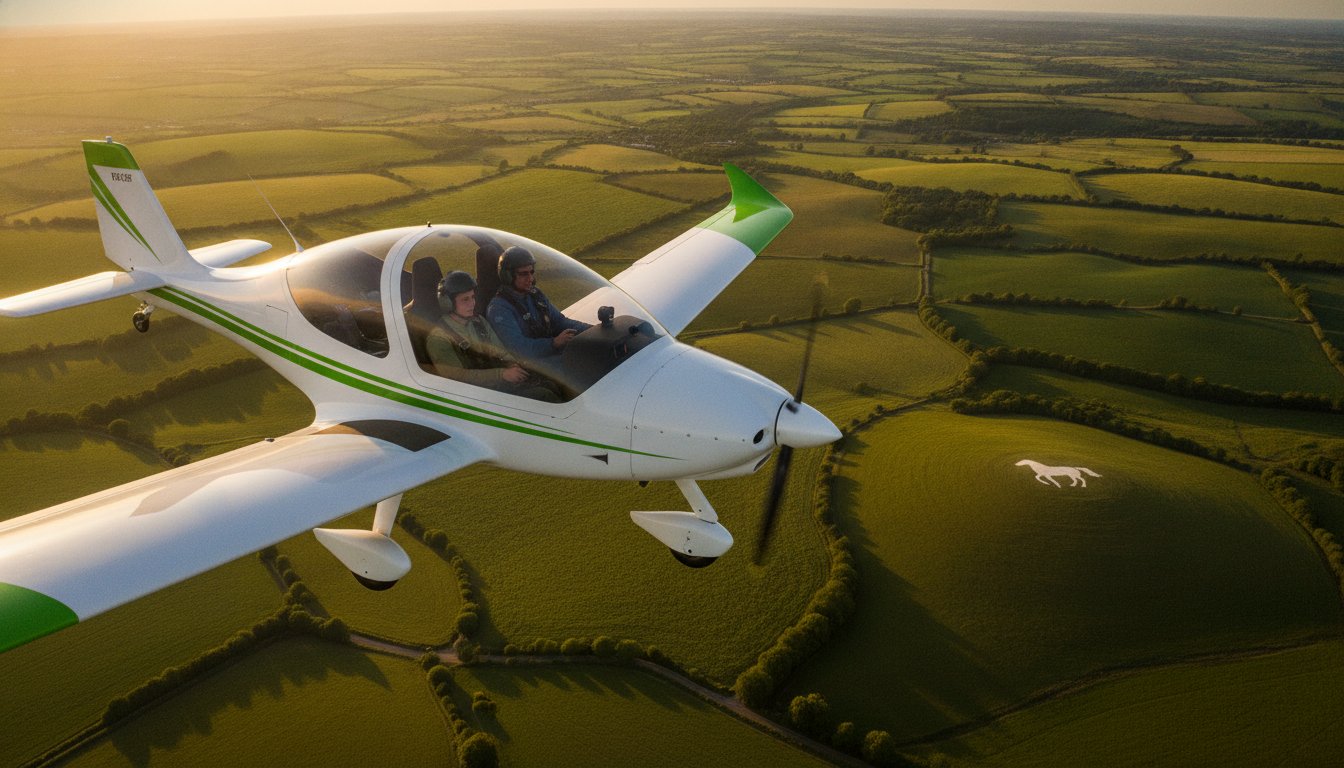
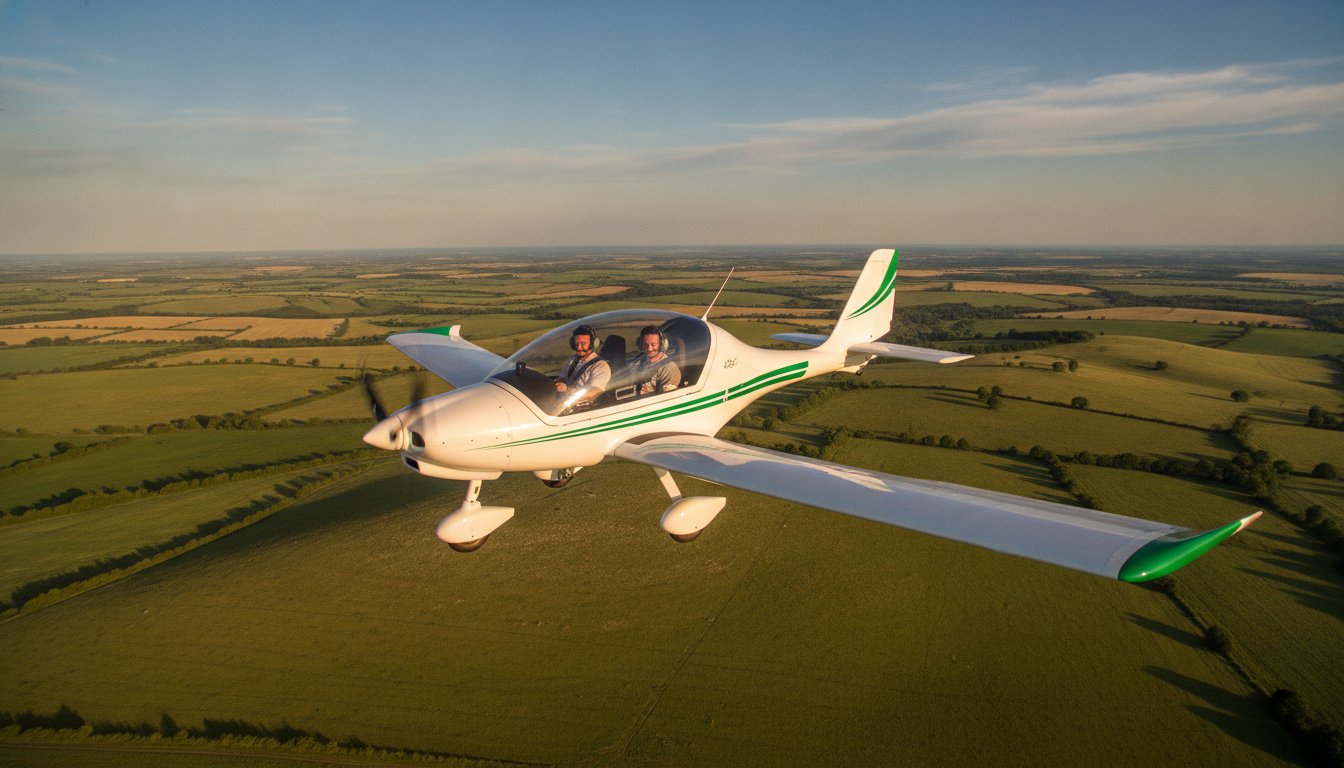
Wiltshire provides a massive advantage for any aspiring pilot. Unlike the crowded skies found near major international hubs, our region enjoys vast stretches of unrestricted airspace. This means more time focusing on your flying skills and less time managing complex radio traffic. You’ll use iconic landmarks like the Cherhill White Horse and Silbury Hill as your guides. These ancient sites aren’t just beautiful; they’re practical tools that make learning to navigate feel like a genuine adventure rather than a classroom exercise.

The Magic of the North Wessex Downs from Above

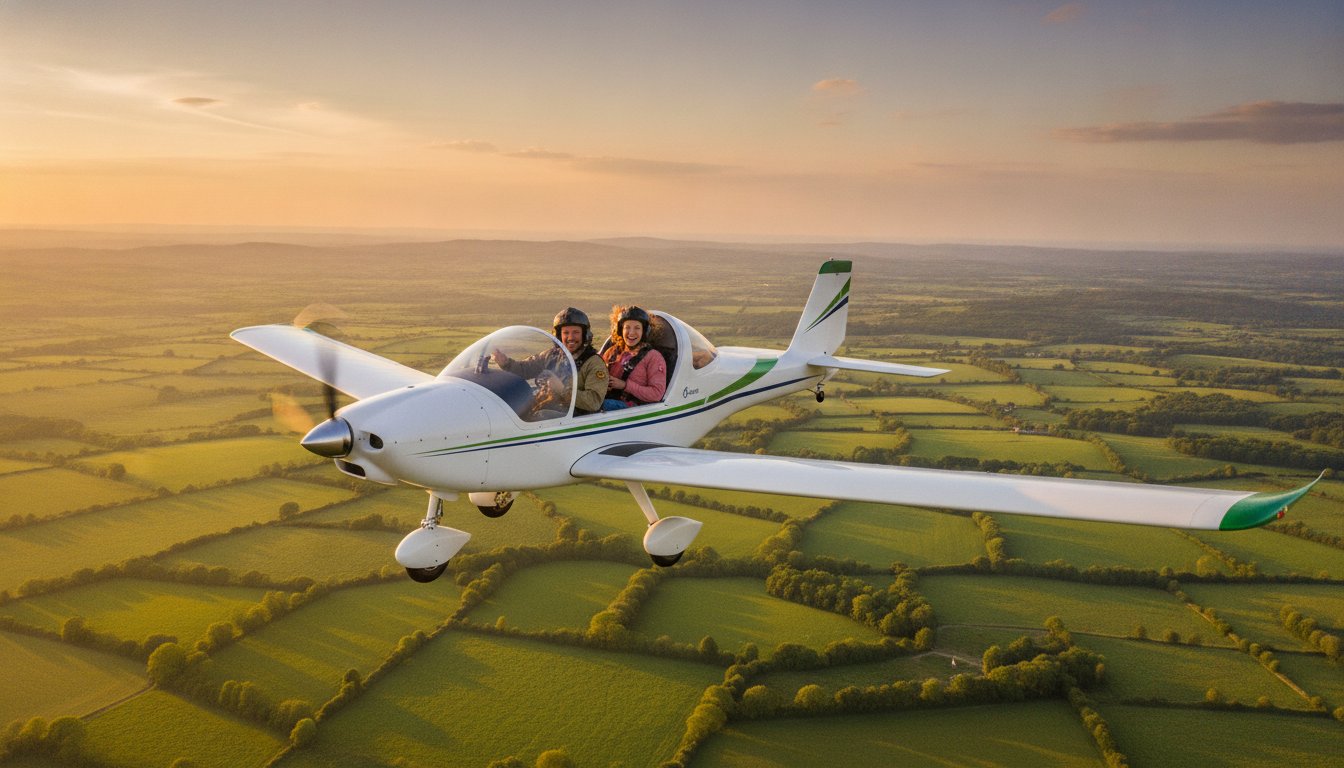
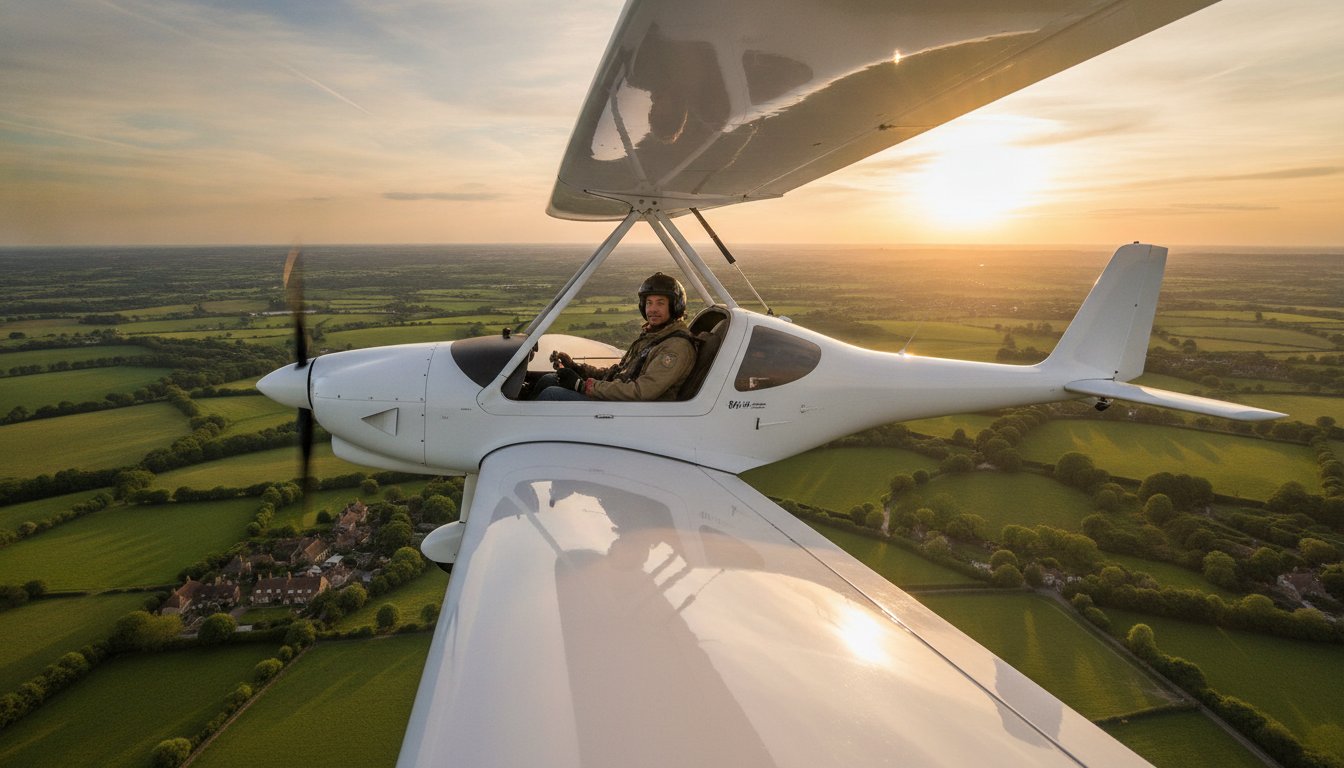
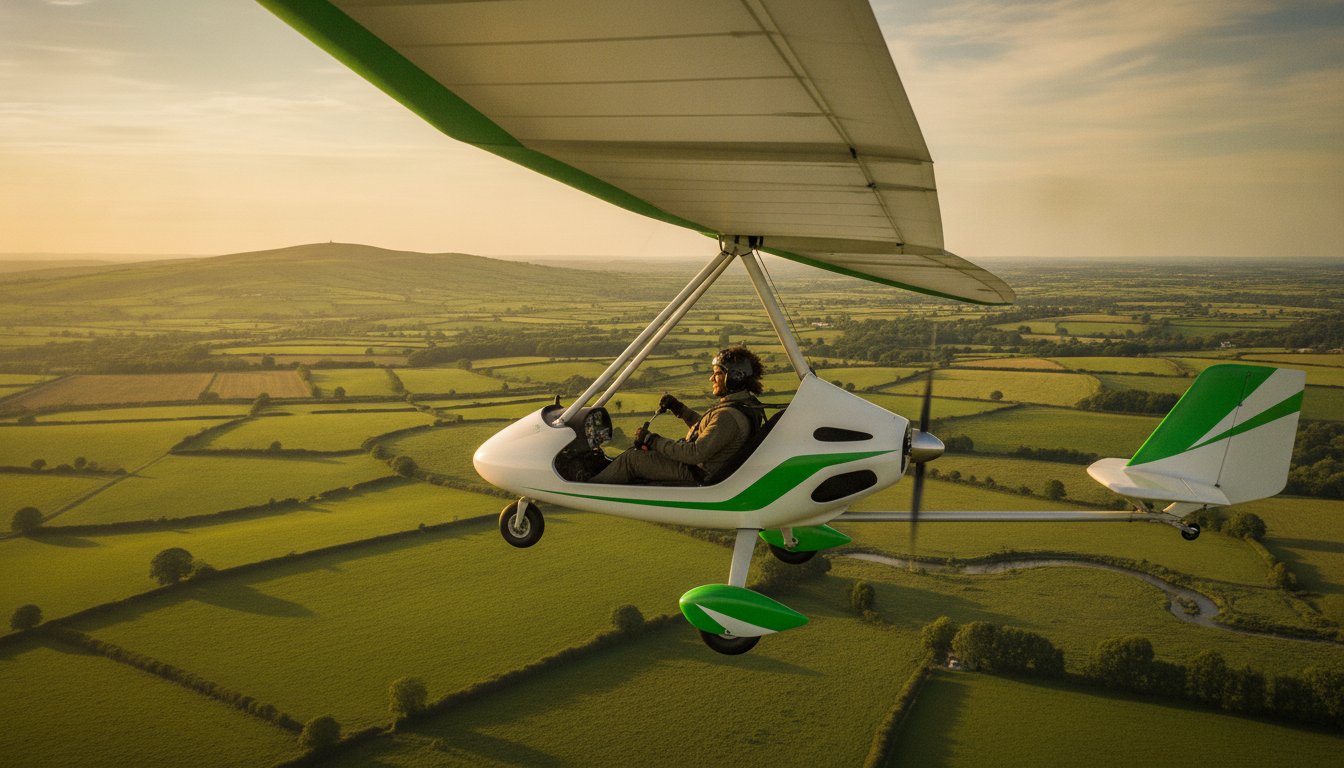
Soaring over the patchwork fields of the North Wessex Downs is a sensory experience like no other. You’ll feel the gentle lift of the wings and see the landscape in stunning high definition. The incredible visibility in this region is a game-changer for new students. It allows you to master visual navigation quickly, using the natural contours of the land to find your way home to the airfield. It’s intuitive, exciting, and deeply rewarding.

Yatesbury: A Centre of Aviation Excellence

Our base at the historic Yatesbury airfield provides a relaxed, non-intimidating environment that’s perfect for new pilots. It’s a site steeped in heritage, yet it retains a warm, friendly club atmosphere that sets us apart from busy commercial centres. Located within easy reach of Swindon, Bristol, and Bath, it’s the ultimate weekend escape for busy professionals. You can learn to fly amongst peers who share your passion for the skies. It’s the perfect hub for microlight flight training Wiltshire wide.

Your Path to the Pilot’s Seat: Understanding the NPPL Microlight Licence

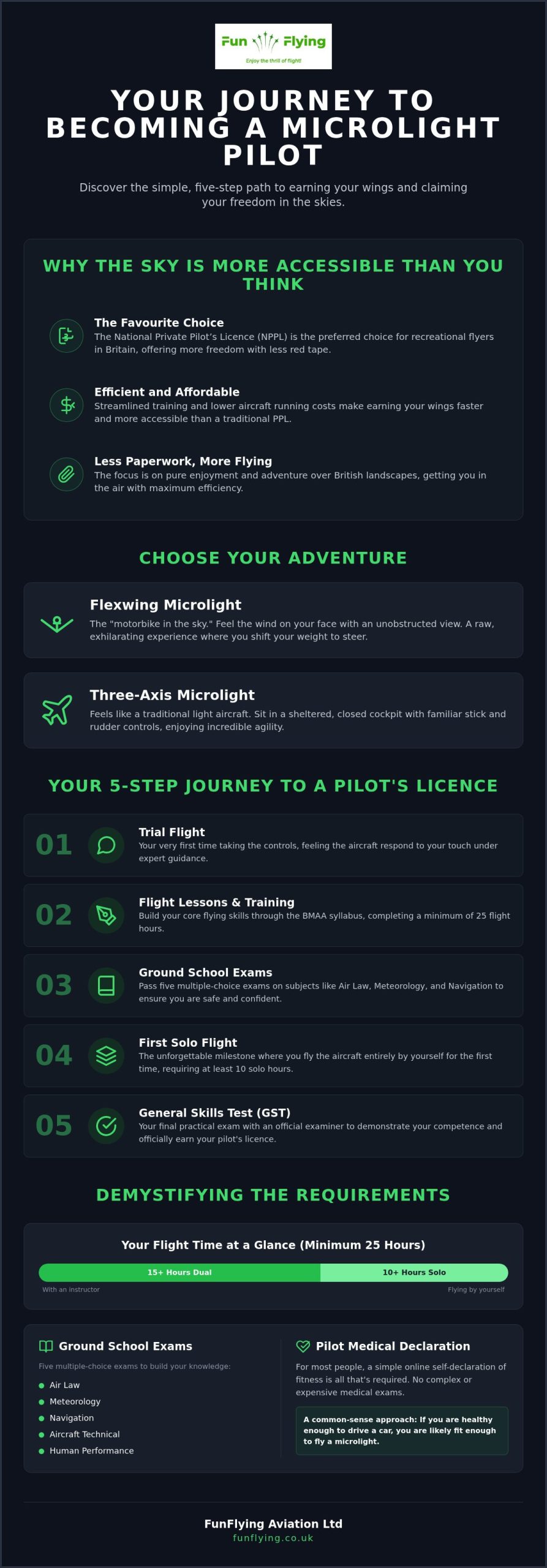
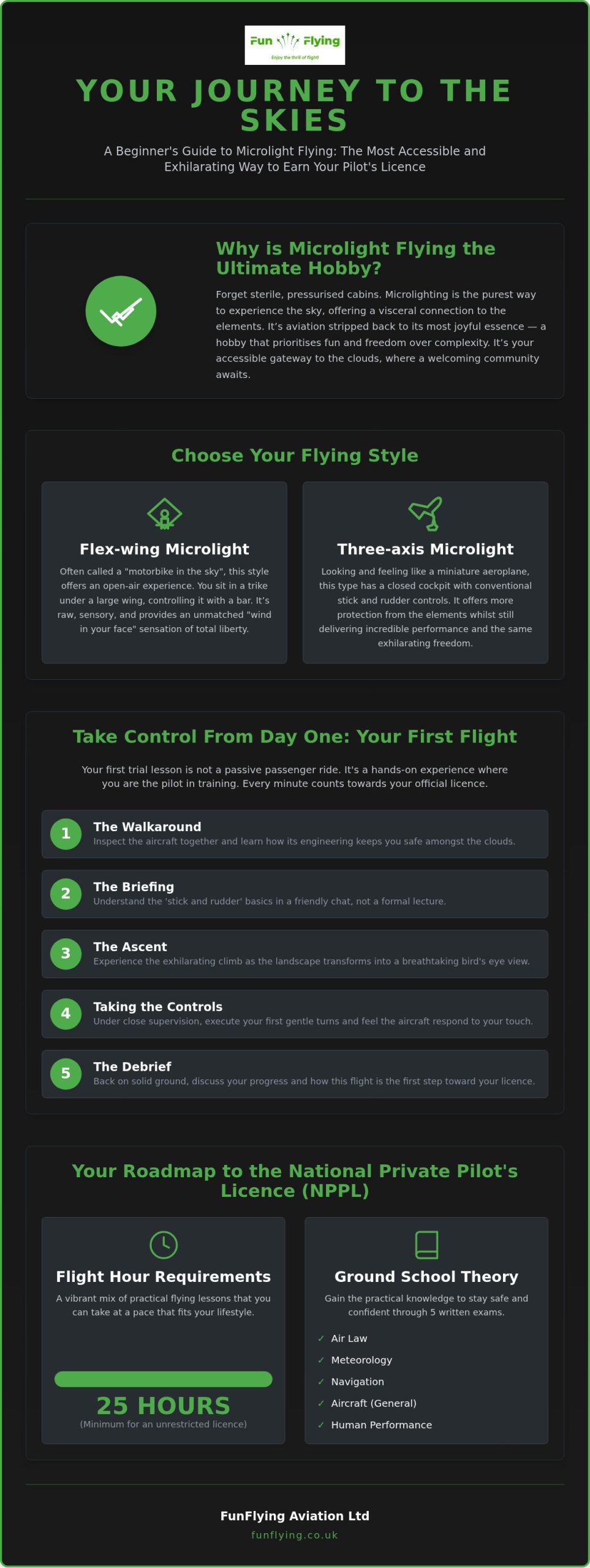
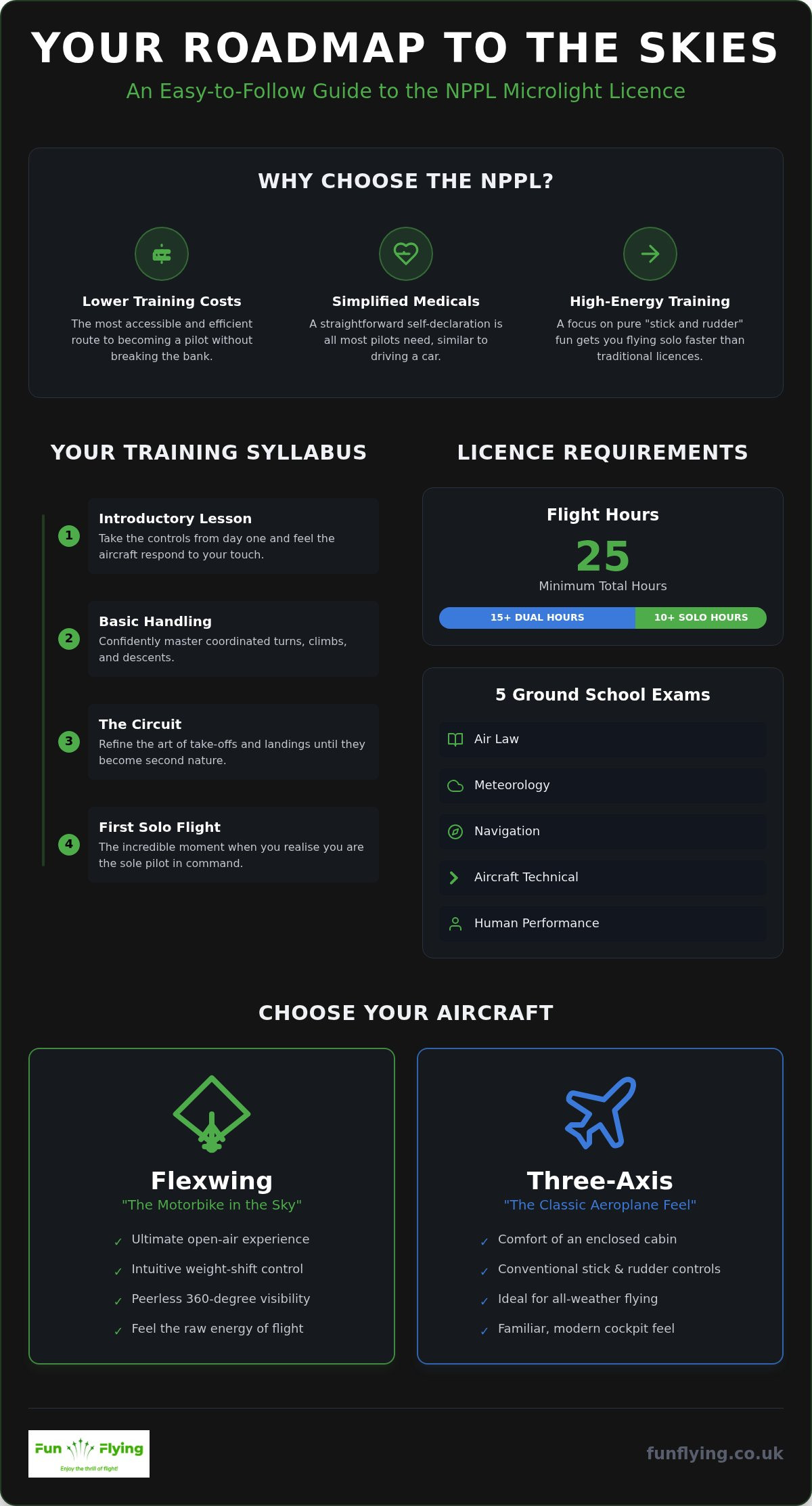
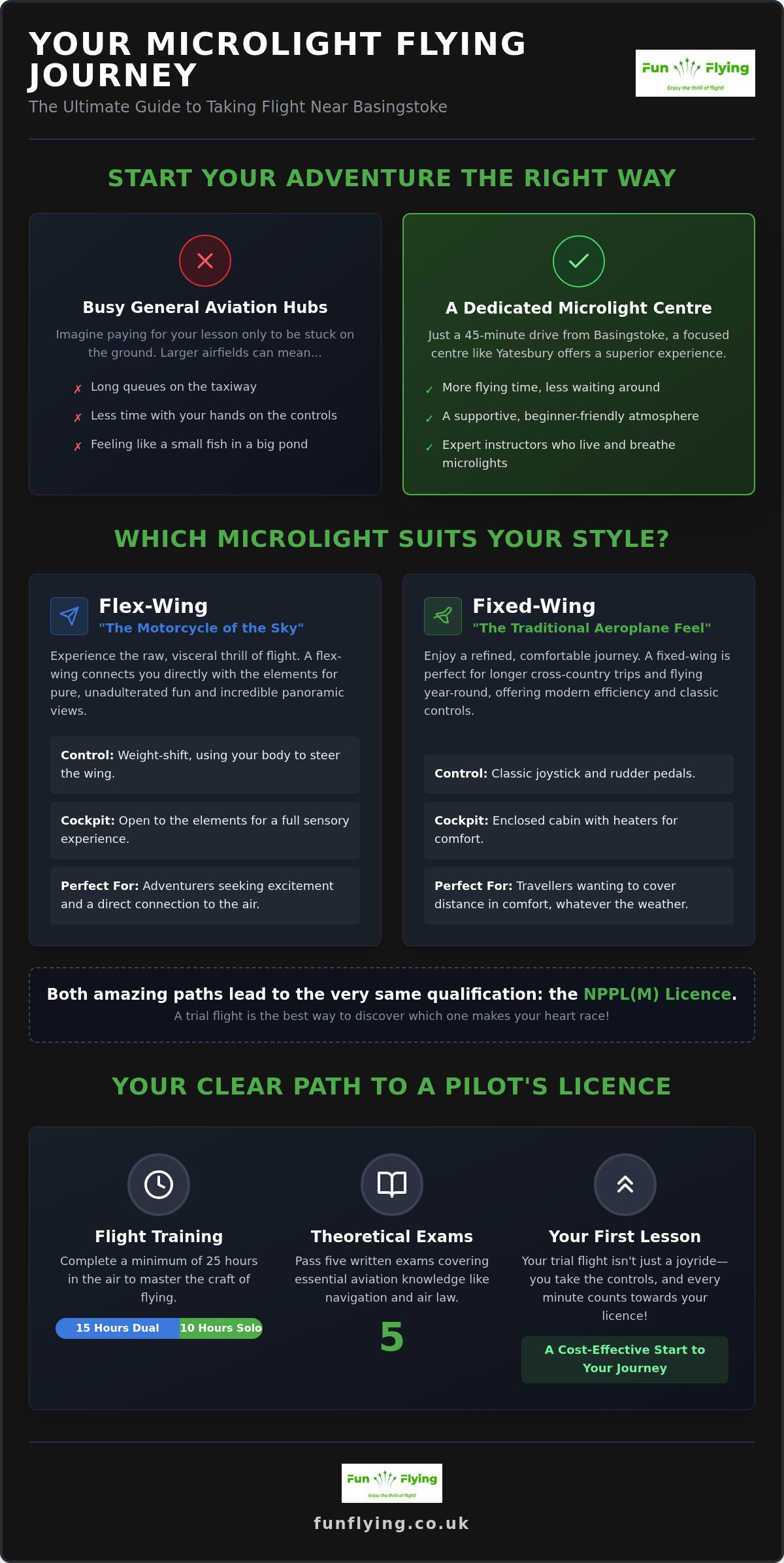
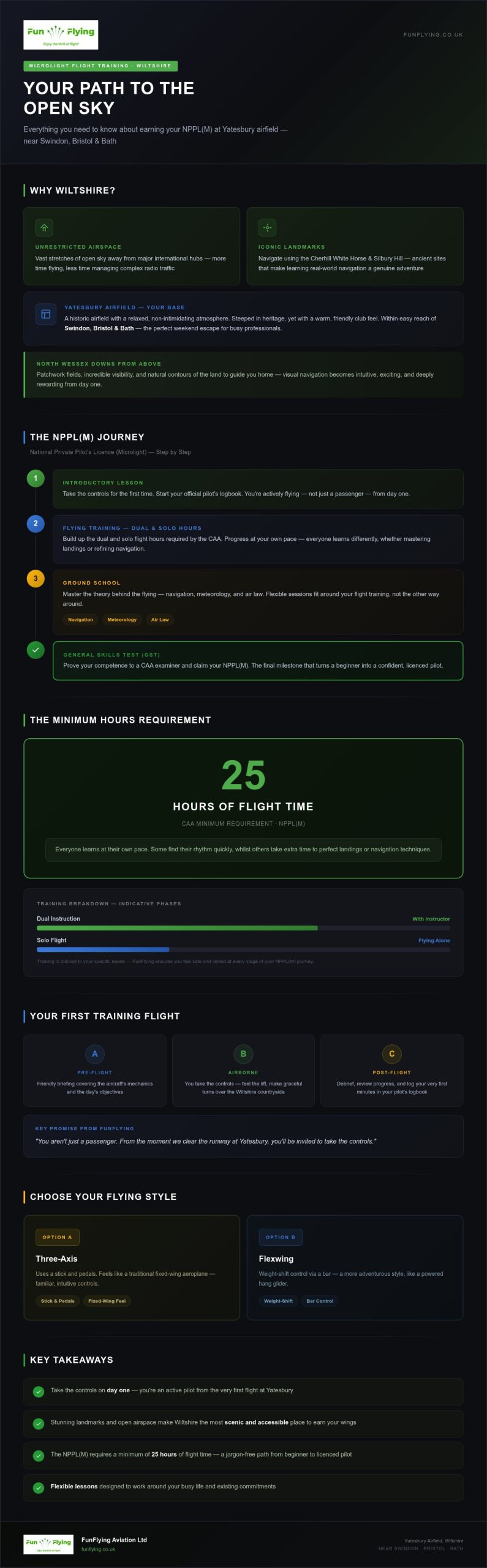
Earning your wings is a journey of exciting milestones rather than a mountain of paperwork. It all begins with your introductory lesson. This is where you get your first real taste of the controls and officially start your pilot’s logbook. Unlike some schools, we ensure you’re flying from day one. From that first take-off, you’ll progress into flying training, building up the dual and solo hours required to satisfy the CAA. You’ll also tackle ground school, where you master the “why” behind the “how,” covering navigation, meteorology, and air law. Finally, you’ll face the General Skills Test (GST), proving your competence to an examiner and claiming your freedom. It’s a structured path designed to turn a complete beginner into a confident pilot.

How Many Hours Do You Really Need?

The CAA currently requires a minimum of 25 hours of flight time to qualify for an NPPL(M). However, it’s vital to remember that everyone learns at their own pace. Some students find their rhythm quickly, whilst others prefer to take extra time to perfect their landings or navigation techniques. The NPPL(M) is widely recognised as one of the most cost-effective and accessible ways to get into the air. If you’re ready to take that first step, you can learn to fly with FunFlying. We tailor your microlight flight training Wiltshire to your specific needs, ensuring you feel safe and skilled at every stage.

Ground School: Making the Theory Fun

Don’t let the thought of exams worry you. Ground school isn’t like being back in a dusty classroom; it’s practical, fascinating, and directly related to your time in the cockpit. We offer flexible ground school sessions that fit around your flight training, making the theory feel like a natural extension of your hobby. For a deeper dive into what to expect, read our guide on mastering the sky: the ultimate guide to microlight ground school UK. It’s the perfect companion for your microlight flight training Wiltshire.

What to Expect During Your First Training Flight at Yatesbury

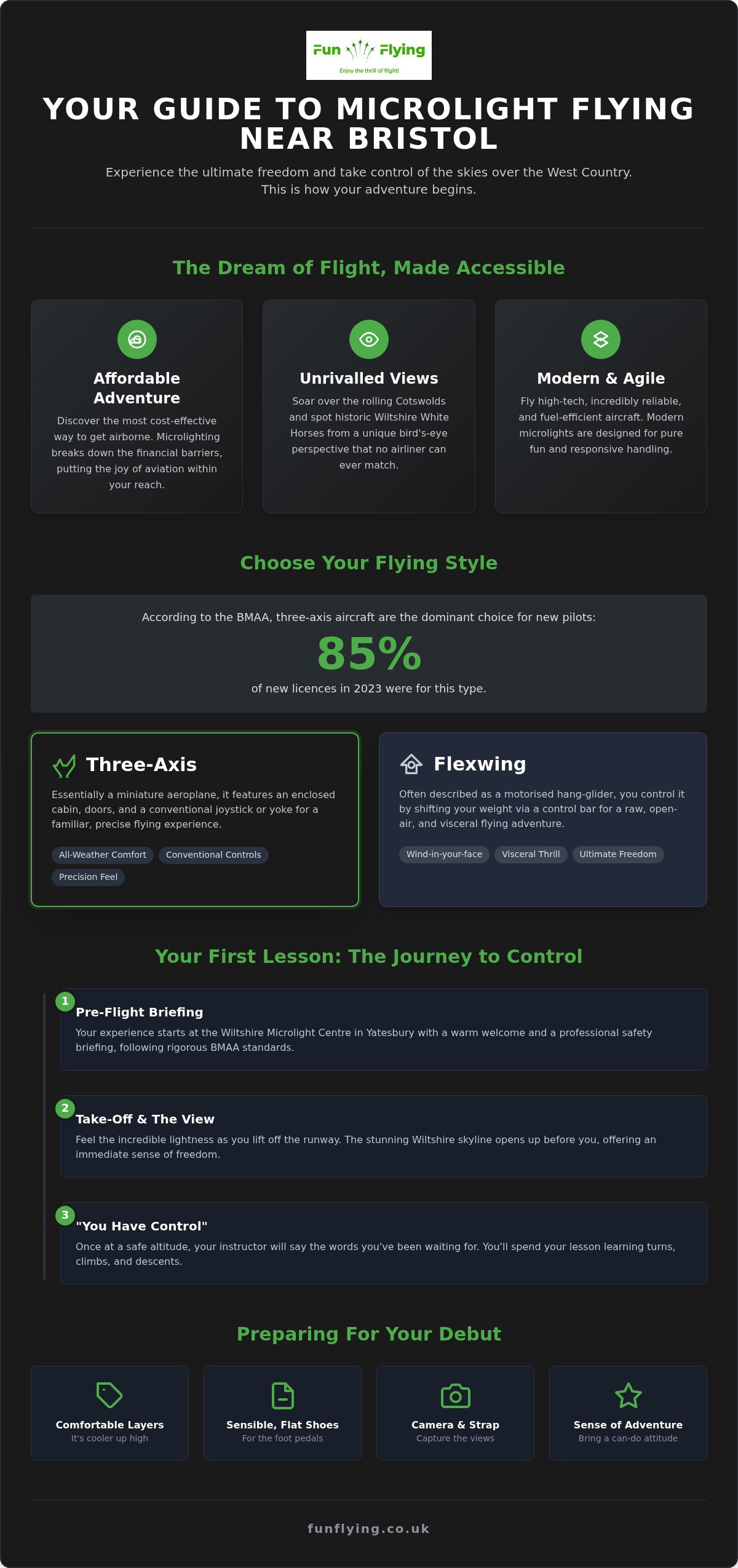
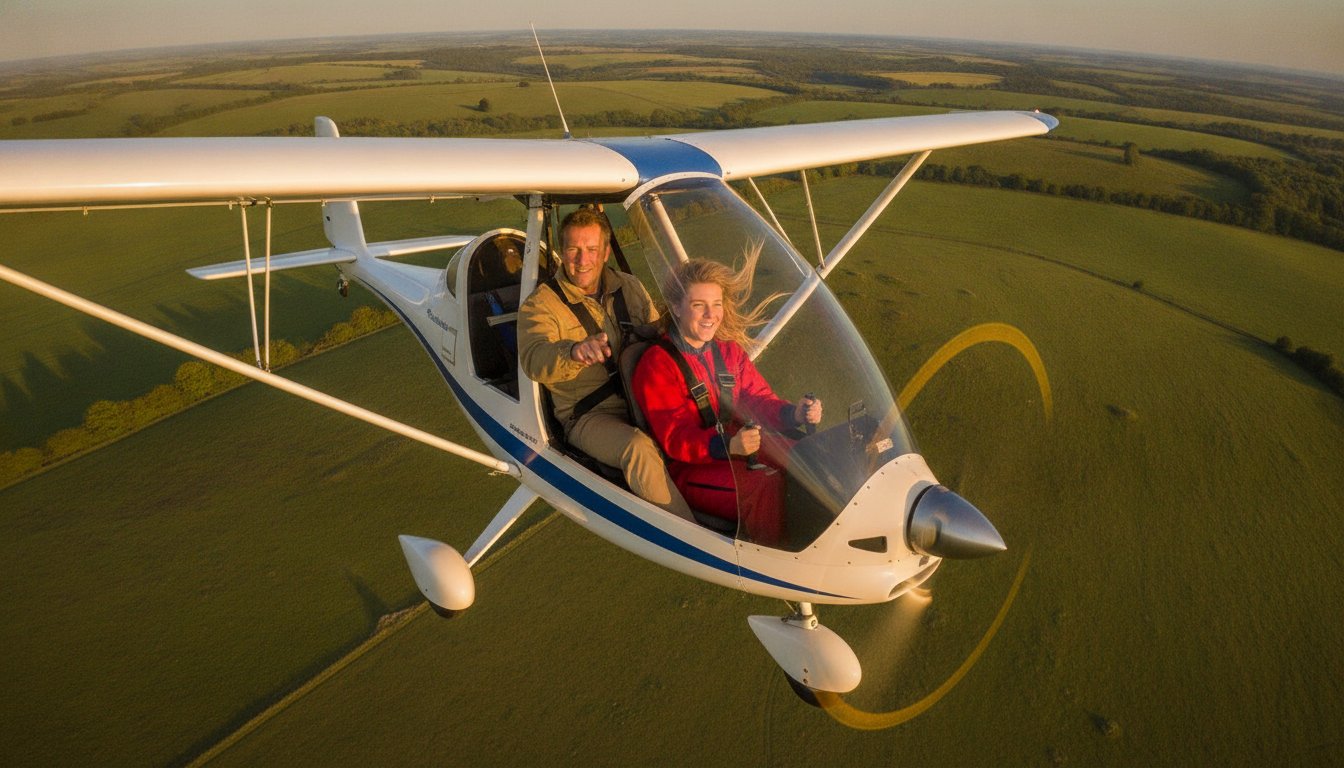
Your journey with microlight flight training Wiltshire starts with a promise: you aren’t just a passenger. From the moment we clear the runway at Yatesbury, you’ll be invited to take the controls. It’s an empowering approach that builds confidence immediately. Before we even leave the ground, we’ll have a friendly pre-flight briefing. We’ll chat about the aircraft’s mechanics and the day’s specific objectives. It’s all about making you feel comfortable and prepared.

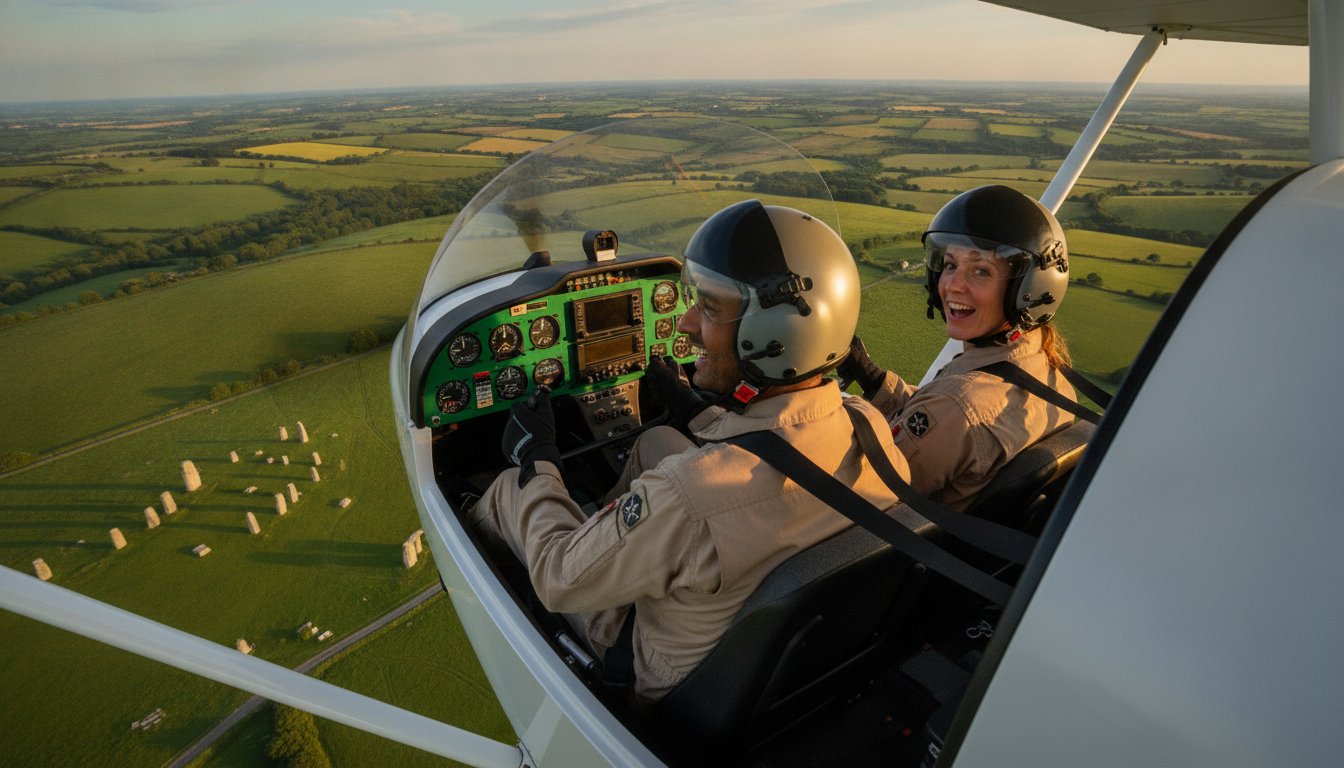
Once airborne, the sensation is incredible. You’ll feel the lift as the wings bite into the air, a feeling that’s both exhilarating and surprisingly stable. Modern microlights are remarkably intuitive. Small, precise movements of the controls translate into graceful turns over the Wiltshire countryside. After we land, we’ll sit down for a post-flight debrief. We’ll reflect on your progress and, most importantly, log those very first minutes in your pilot’s logbook.

Three-Axis vs. Flexwing: Choosing Your Style

You’ll need to decide which flying style resonates with your dream. Three-axis microlights feel like traditional fixed-wing aeroplanes, using a stick and pedals. Flexwings offer a more weight-shift adventure, controlled by moving a bar, much like a powered hang glider. We always encourage students to try both. One might feel like a natural extension of your body, whilst the other offers a different kind of thrill.

Safety and Expertise: Peace of Mind in the Air

Safety is our absolute priority. Every aircraft follows rigorous maintenance schedules, and the UK has some of the highest microlight regulatory standards in the world. Our instructors are seasoned professionals who live and breathe aviation. If you have any lingering doubts, check out our guide: Is Microlight Flying Safe? Everything You Need to Know Before Taking Off. We want you to feel completely at ease amongst the clouds.
Book your first lesson today

Microlight Flight Training in Wiltshire: Your Complete Guide to Earning Your Wings

Flexible Learning: Training That Fits Your Busy Lifestyle

One of the biggest myths about microlight flight training Wiltshire is that it requires you to drop everything else in your life. It doesn’t. We operate six days a week, giving you the flexibility to book lessons that actually suit your personal calendar. Whether you’re a busy professional in Swindon or a weekend adventurer from Bristol, your training happens on your terms. You set the tempo. Some students prefer an intensive burst to get their hours up quickly, whilst others enjoy a steady weekly lesson to savour the process. There’s no pressure to rush. We’re here to support your individual journey.

If you aren’t sure where to start, a trial flight is the perfect, no-pressure introduction. It’s a chance to see if the cockpit feels like home before committing to the full licence path. You’ll get a real feel for the aircraft and our friendly approach without any long-term commitment. It is the easiest way to bridge the gap between dreaming about flight and actually making it happen.

From Student to Pilot: The FunFlying Community

Learning to fly is about more than just stick and rudder skills. At the Wiltshire Microlight Centre in Yatesbury, you’ll find a second home. The “hangar talk” over tea and biscuits is where the real community spirit lives. It’s a place to swap stories, share tips, and celebrate every solo circuit. Even after you qualify, we’re still here for you. We offer licence revalidations and conversion training to keep your skills sharp and your passion for the skies alive.

Ready to Reach the Clouds?

Stop dreaming about the horizon and start exploring it. The freedom of the skies is closer than you think, and the path is clearer than ever. It’s time to take that first step toward becoming a pilot. For everything you need to know about the journey ahead, check out our how to become a microlight pilot: your complete 2026 guide to the NPPL. Your wings are waiting.

Your Skyward Adventure Starts Today

The horizon is calling. You’ve seen how the historic Yatesbury airfield serves as the ideal launchpad for your dreams of flight. From the stunning views of the North Wessex Downs to our hands-on “take control” philosophy, every aspect of microlight flight training Wiltshire is designed for your success. You aren’t just gaining a licence; you’re joining a vibrant, inclusive community that celebrates the pure joy of movement and autonomy. It’s about finding a second home amongst fellow enthusiasts who share your passion for the clouds.

With expert instructors available six days a week, you can finally fit your aviation goals around your busy lifestyle. Imagine the thrill of your first solo circuit or the peace of soaring over ancient landmarks on a clear morning. It’s time to stop looking up from the ground and start looking down from your own cockpit.

Start your aviation journey with a hands-on trial lesson at Yatesbury!

The freedom of the open sky is well within your reach. We can’t wait to see you on the runway.

Frequently Asked Questions

Do I need any previous flying experience to start microlight training?

You don’t need any prior flying experience to begin your journey at Yatesbury. Most of our students have never even sat in a small cockpit before their first trial flight. We specialise in taking complete beginners and turning them into confident pilots. When you start your microlight flight training Wiltshire instructors will guide you through the basics, encouraging you to take the controls immediately. It’s about learning by doing.

What is the minimum age to start learning to fly a microlight in the UK?

You can start taking lessons at any age, provided you can reach the controls and see out of the cockpit. However, the CAA rules state that flying hours only count toward your licence from the age of 14. You can fly solo at 16 and apply for your National Private Pilot’s Licence (NPPL) once you turn 17. It’s a fantastic way for young enthusiasts in Swindon or Bristol to build discipline and confidence.

How much does it typically cost to get a microlight licence?

The total cost of earning your wings depends on how quickly you progress through the required flying hours. Since the CAA requires a minimum of 25 hours, most students choose to pay for lessons individually to spread the investment. This pay-as-you-go approach makes microlighting far more accessible than traditional aviation. We prioritise your skills and safety without the hidden fees often found at larger commercial airports.

Can I fly a microlight if I have a medical condition?

You can often fly even with certain medical conditions. The NPPL uses a simple self-declaration system, which is generally based on the same medical standards required to drive a car in the UK. This makes it a much more inclusive option compared to the rigid requirements of commercial aviation. If you’re fit to drive to our centre in Yatesbury from places like Reading or Andover, you’re likely fit to start your training.

What is the difference between a microlight and a light aircraft (PPL)?

The main differences are weight, cost, and complexity. Microlights are lightweight, agile aircraft with a maximum take-off weight of 600kg, making them significantly cheaper to operate than heavier PPL aircraft. Whilst a PPL allows you to fly larger planes, microlight flight training Wiltshire offers a much more visceral flying experience. It’s about the pure joy of flight and the freedom of the skies rather than managing complex systems and heavy machinery.
Marce Colucci

Article by

Marce Colucci

Love to fly, and more importantly, love teaching others to fly.

How to Become a Microlight Pilot: Your Complete 2026 Guide to the NPPL

How to Become a Microlight Pilot: Your Complete 2026 Guide to the NPPL

Imagine sitting in a cockpit, the patchwork fields of the Wiltshire countryside stretching out beneath you as you bank gently towards the horizon. You aren’t just a passenger; you’re the one in control. If you’ve ever looked up and wondered how to become a microlight pilot, you’ve likely felt that it’s a dream reserved for the elite or those with endless free time. It’s easy to feel overwhelmed by talk of complex medicals, expensive PPL licences, and years of study. You might even worry that your busy work week simply won’t allow for flight lessons.

We understand that feeling, but the sky is far more accessible than you think. This guide shows you exactly how to claim your freedom. You’ll discover the step-by-step journey to earning your microlight pilot licence and flying solo for the first time. We will break down the 2026 NPPL requirements, explain the simple medical declaration process, and show you how to fit training into a busy lifestyle. Your aerial adventure starts right here.

Key Takeaways

  • Understand why the National Private Pilot’s Licence (NPPL) is the favourite choice for recreational flyers who want more freedom and lower costs.
  • Discover exactly how to become a microlight pilot through a simple five-step journey that takes you from total beginner to a qualified pilot.
  • Demystify the medical and ground school requirements, including how a simple self-declaration often replaces complex doctor visits.
  • Learn why taking the controls from your very first flight is the best way to build confidence and start your aerial adventure today.

Understanding the NPPL: Your Ticket to the Skies

To start your journey, you’ll need to understand the National Private Pilot Licence (NPPL) with a Microlight Class Rating. It’s the gold standard for recreational flyers in Britain. Why? Because it cuts through the complex red tape often associated with international commercial licences. While the NPPL is a UK-specific qualification, it’s the absolute favourite choice for those seeking pure adventure over our stunning local landscapes. Learning how to become a microlight pilot is about efficiency and enjoyment; you get to spend more time in the air and less time buried in paperwork.

Flexwing vs Three-Axis: Which Path is Yours?

You have two distinct ways to experience flight. A flexwing microlight feels like a “motorbike in the sky.” You’re out in the elements, shifting your weight to steer, with the wind on your face and an unobstructed view of the world below. It’s raw and exhilarating. Alternatively, a three-axis microlight looks and feels like a traditional light aircraft. You sit in a closed cockpit with a stick and pedals. It’s perfect if you prefer a more familiar, sheltered environment while still enjoying incredible agility. Imagine yourself in the pilot’s seat; do you want the open air or the classic cockpit feel?

Why Microlighting is the Most Accessible Way to Fly

Choosing this path is the most efficient way to earn your wings. Because the training requirements are more streamlined than a traditional PPL, you can achieve your goal much faster. It’s about finding the best value for your time and investment. If you’re looking for affordable microlight lessons UK, you’ll find that the lower running costs of these modern aircraft make pilot training a reality for almost anyone. You don’t need a massive budget; you just need the passion to look up and say, “I want to be there.” Discovering how to become a microlight pilot is your first step to total freedom.

The 5 Steps to Becoming a Microlight Pilot

Learning how to become a microlight pilot is a structured adventure. It starts with a hands-on trial flight and moves through these five key milestones:

  • Trial Flight: Your first time taking the controls and feeling the aircraft respond.
  • Flight Lessons: Building core skills through the official BMAA syllabus.
  • Ground School: Passing five multiple-choice exams, including Air Law and Meteorology.
  • First Solo: The legendary moment you fly the aircraft entirely by yourself.
  • General Skills Test: Your final practical check with an examiner to earn your wings.

This progression ensures you’re never overwhelmed. Each step builds on the last, turning you from a curious observer into a competent aviator ready to explore the British skies.

The Training Syllabus: What You’ll Actually Do

The microlight pilot training programme follows a clear path. Following the UK Civil Aviation Authority NPPL requirements, you’ll complete at least 25 flight hours, including 10 hours of solo time. You’ll master manoeuvres like steep turns and engine-off drills. These drills ensure you can land safely in any situation. It’s about building total confidence in your aircraft.

Your First Solo Flight: A Rite of Passage

Your first solo is a milestone you’ll never forget. Imagine the cockpit feeling lighter and the cabin falling silent as you realise you’re the only person on board. It’s pure exhilaration. Your instructor only sends you up when they are 100% certain you’re ready. If you’re eager to feel that freedom and want to learn how to become a microlight pilot, start your journey today.

Ground School and the Pilot Medical Declaration

Many people worry about the “school” part of learning how to become a microlight pilot. Don’t be. It’s not like going back to secondary school. There are five exams to tackle: Air Law, Meteorology, Navigation, Aircraft Technical, and Human Performance. They’re all multiple-choice. Their purpose is to keep you safe and confident in the air, not to catch you out with trick questions. You’ll often find students chatting about navigation over a coffee in the clubhouse, turning study into a social event. Mastering the microlight ground school UK syllabus is simply about gaining the tools to enjoy your freedom responsibly.

The Pilot Medical Declaration (PMD): No Doctor Required?

One of the biggest reliefs for new pilots is the Pilot Medical Declaration. Unlike commercial pilots who face rigorous, expensive clinical exams, most recreational flyers can simply self-declare their fitness online. If you’re healthy enough to drive a car, you’re likely fit enough to fly a microlight. The PMD is a modern, common-sense approach to recreational aviation safety that removes the anxiety of a formal medical. This means you can focus on the fun parts of how to become a microlight pilot without worrying about clinical appointments.

Fitting Ground School into Your Life

You don’t need to quit your job to earn your wings. With flexible flying lessons UK, you can study at your own pace. Most students mix home study with expert guidance from their instructor during rainy days at the airfield. It’s about making the journey work for you, not the other way around. You can fit your ground school around your existing schedule, ensuring your path to the cockpit is as stress-free as possible.

Start your microlight training today

How to Become a Microlight Pilot: Your Complete 2026 Guide to the NPPL

Starting Your Journey at Wiltshire Microlight Centre

Your journey begins at Yatesbury, where the atmosphere is as inspiring as the views over the Wiltshire Downs. We don’t believe in making you wait. Our ‘FunFlying’ philosophy ensures you take the controls from your very first lesson. You aren’t just watching an instructor; you’re actively flying. It’s the most exhilarating way to discover how to become a microlight pilot. From the moment the wheels leave the grass, you’ll feel the autonomy and thrill that only recreational aviation provides.

Training in the South West is a sensory feast. You’ll navigate over world-famous landmarks like the ancient stone circles of Avebury and the striking Cherhill White Horse. These sights turn every training session into a genuine adventure. It’s a far cry from a cold, institutional classroom. Here, the sky is your playground, and every flight builds your confidence whilst offering a perspective of Britain that few ever get to see.

Why Yatesbury is the Perfect Classroom

A great school is built on its community. At the Wiltshire Microlight Centre, you’ll find a warm, welcoming clubhouse filled with pilots who share your passion. We ditch the formal hierarchy for a friendly, peer-to-peer approach. You’re amongst friends who want to see you succeed. Whether you’re sharing a post-flight coffee or discussing the day’s weather, you’re part of a vibrant group that celebrates every milestone you reach.

Ready for Take-off? Your Next Steps

The roadmap to the skies is clear. Start with an introductory trial flight to see if you’ve got the ‘flying bug’. Once you’re hooked, you’ll move through your training syllabus toward your NPPL licence. For those looking to plan their journey, our microlight pilot training cost guide provides all the details you need for budgeting. Understanding how to become a microlight pilot is the first step toward a lifetime of freedom. Book your first flight today and claim your place in the sky.

Take Your Seat in the Cockpit

The sky is no longer a distant dream reserved for the elite. You now know exactly how to become a microlight pilot, from that first thrilling trial flight to the moment you earn your NPPL. By choosing the Wiltshire Microlight Centre, you’re joining a welcoming community that prioritises hands-on experience and flexible training. You’ll take control from your very first lesson, guided by expert instructors at our historic Yatesbury Airfield. With operations running six days a week, fitting your new passion around a busy work schedule is simpler than you ever imagined.

The patchwork fields and ancient landmarks of the South West are waiting for you. It’s time to stop looking up and start looking down from your own cockpit. Whether you want to fly solo for the first time or explore the UK from the air, your adventure begins with a single decision.

Start your aviation journey with a Trial Flight today!

The freedom of the British skies is just one flight away. We can’t wait to see you on the runway and help you claim your wings.

Frequently Asked Questions

Do I need any previous experience to start microlight training?

You don’t need any prior aviation experience to begin your journey. Many of our students from Swindon and Bristol arrive with zero flying hours; we simply start from the very beginning. Our “FunFlying” approach means you take the controls during your first lesson under expert guidance. We’ll teach you everything you need to know about how to become a microlight pilot, building your confidence at a pace that feels natural for you.

How much does it typically cost to get a microlight licence in the UK?

The total cost of earning your licence depends on how quickly you progress through the syllabus. Whilst specific fees vary across the country, industry estimates suggest a typical budget between £6,000 and £10,000 for the full qualification. This includes your flight hours, ground school, and exams. We recommend checking our detailed pricing guide to understand the best ways to manage your training investment whilst learning at our historic Yatesbury centre.

What is the minimum age to start learning to fly a microlight?

You can begin your flight training as early as 14 years old. It is a fantastic way for young enthusiasts in Reading or Basingstoke to build discipline and technical skills. Whilst you can start lessons early, you must be at least 16 to fly solo and 17 to hold the NPPL licence itself. There is no upper age limit; as long as you can make a medical declaration, you are clear for take-off.

How long does each flying lesson usually last?

Most training lessons involve about 60 minutes of actual flight time. We find this duration is the “sweet spot” for learning without becoming mentally fatigued. When you include the pre-flight briefing and the post-flight debrief, you should allow around two hours at the airfield. This structure helps students from Portsmouth or Bournemouth maximise their learning whilst enjoying the social atmosphere of our friendly pilot community at Yatesbury airfield.

Can I fly a microlight abroad with an NPPL licence?

The NPPL is specifically a UK licence and isn’t automatically recognised internationally. However, many pilots find that certain European countries allow NPPL holders to fly within their borders with prior permission. If your dream is to fly across the Channel, we can discuss the specific requirements for your chosen destination. It’s a great goal to have once you’ve mastered how to become a microlight pilot and explored the British skies.

Marce Colucci

Article by

Marce Colucci

Love to fly, and more importantly, love teaching others to fly.

Microlight Aircraft Types in the UK: A Guide to Your Aviation Freedom

Microlight Aircraft Types in the UK: A Guide to Your Aviation Freedom

What Defines a Microlight Aircraft in the UK?

Have you ever looked up at the sky and felt a pull, a desire to be up there amongst the clouds? For many, that dream feels distant, locked behind a world of expensive training and complex regulations. But what if we told you there’s a more accessible, affordable, and incredibly fun way to earn your wings? Welcome to the world of microlight aviation.

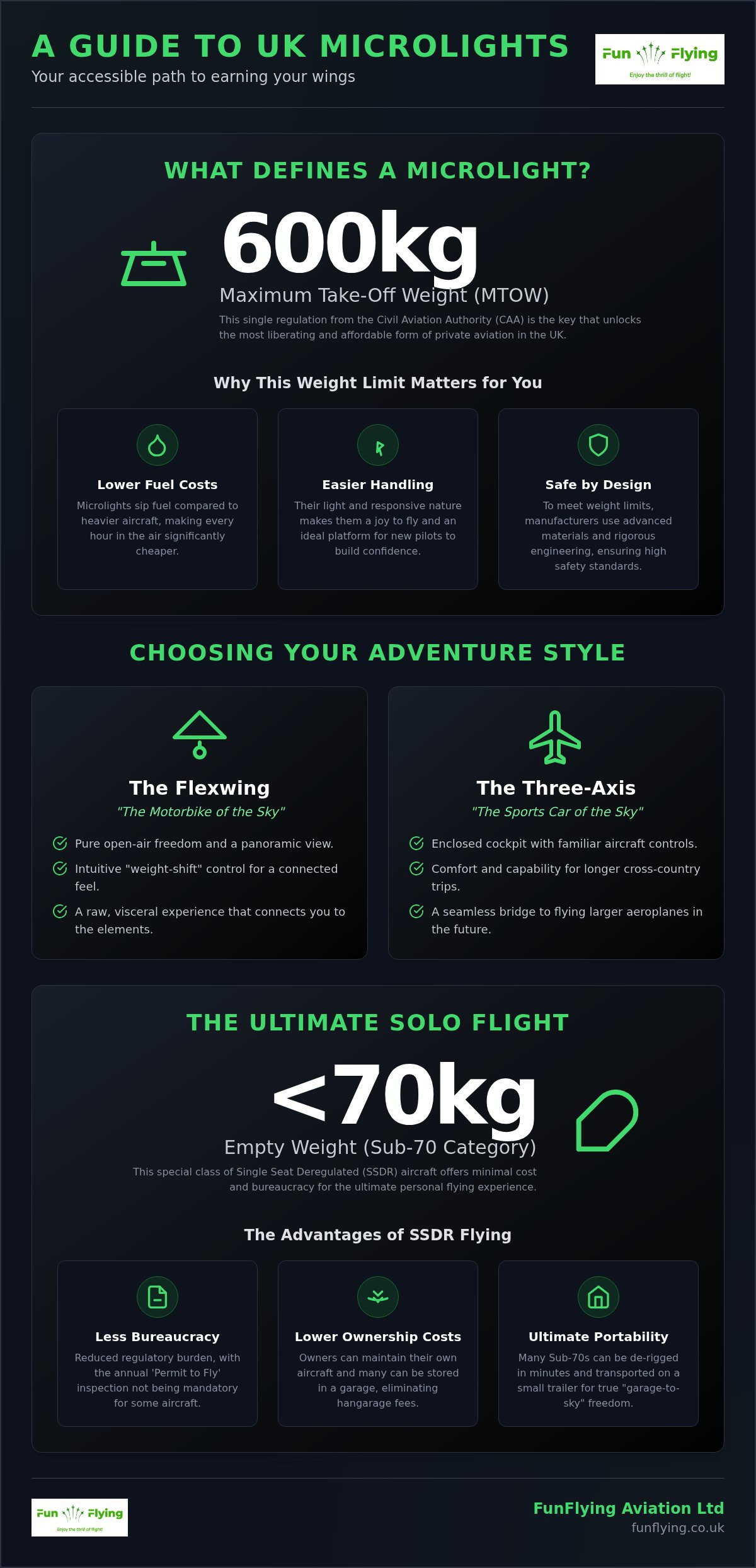
In the UK, the definition of a microlight is refreshingly simple. It’s not about the size or the engine, but about one key number: 600kg. This is the Maximum Take-Off Weight (MTOW) an aircraft can have to be classified as a microlight. This single regulation, set by the Civil Aviation Authority (CAA), is the key that unlocks the most liberating form of private aviation available today.

This weight limit is the secret sauce that makes microlighting the most affordable path into the sky. It means lighter materials, more efficient engines, and lower running costs. But don’t mistake ‘lightweight’ for ‘light-duty’. Modern microlights are sophisticated, high-performance machines that blend cutting-edge technology with the pure joy of flight. They represent a perfect balance: the freedom of less bureaucracy whilst operating under the UK’s world-class safety standards.

The Evolution of Lightweight Aviation

Microlights have come a long way from their origins as powered hang gliders. What started as a grassroots movement has evolved into a showcase of British engineering and innovation. The UK has consistently been at the forefront of this evolution, shaping sensible regulations that encourage both safety and adventure. The aircraft of today are a testament to this journey—sleek, reliable, and capable of incredible cross-country journeys.

Why Weight Limits Matter for You

So, why should you care about that 600kg limit? Because it directly translates into benefits for you as a pilot. A lighter aircraft means:

  • Lower Fuel Costs: Microlights sip fuel compared to their heavier counterparts, making every hour in the air significantly cheaper.
  • Easier Handling: Their light and responsive nature makes them an absolute joy to fly and an ideal platform for beginners to build confidence.
  • Strict Engineering: To meet these weight limits without compromising on strength, manufacturers use advanced materials and designs. This means that, contrary to old-fashioned beliefs, microlight flying is incredibly safe, thanks to rigorous engineering and airworthiness standards.

Flexwing vs. Three-Axis: Choosing Your Adventure Style

When you picture a microlight, what do you see? The answer likely depends on which of the two main types you’ve encountered. Both will earn you the same National Private Pilot’s Licence (NPPL), but they offer fundamentally different flying experiences. Choosing between them is less about performance and more about personality. What kind of pilot do you want to be?

The Flexwing Experience: Pure Freedom

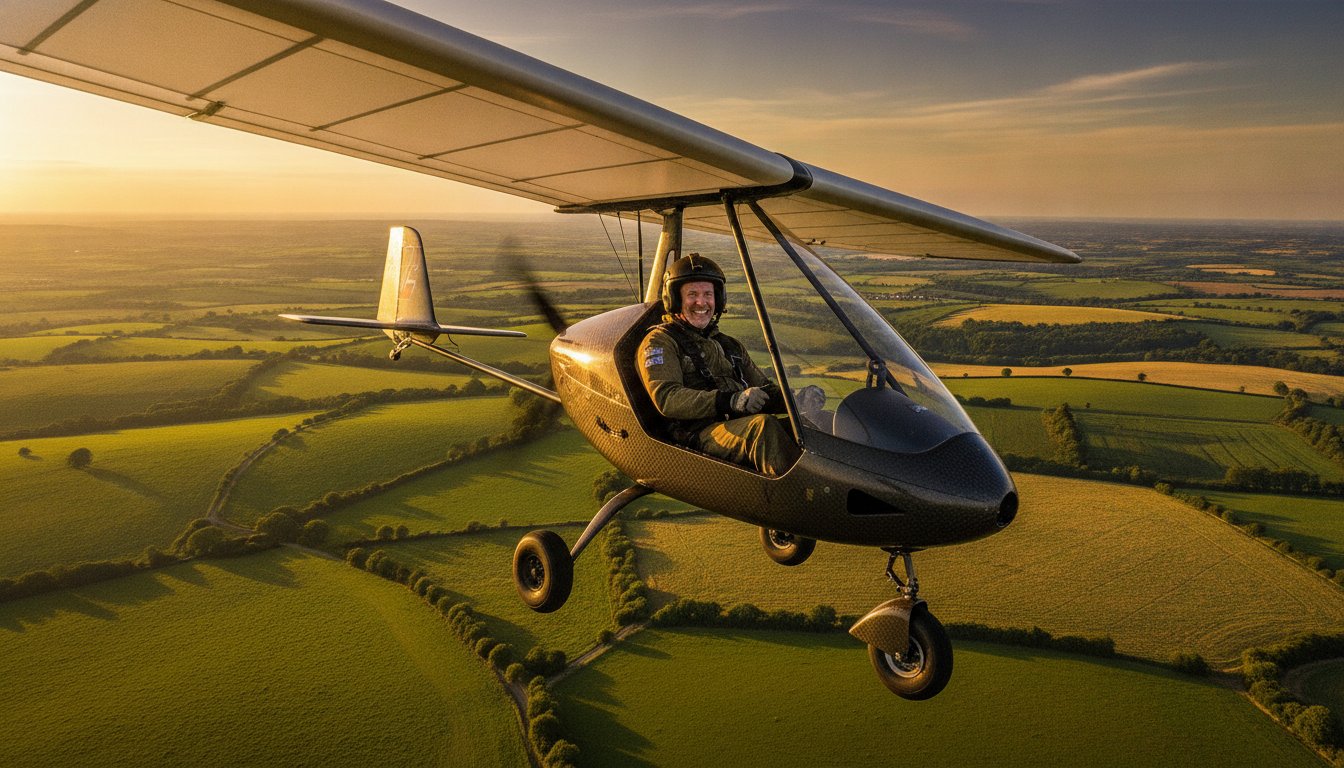
Often called the “motorbike of the sky,” a flexwing microlight is the essence of open-air freedom. Instead of a traditional cockpit, you sit in a streamlined ‘trike’ unit suspended beneath a fabric wing. There’s no stick or yoke; you steer by gently shifting your weight and moving the wing directly via a control bar. It’s an intuitive, connected way of flying that makes you feel part of the air itself.

With an uninterrupted panoramic view and the wind in your face, it’s no wonder flexwings are a firm favourite amongst photographers, nature lovers, and anyone seeking the purest form of flight. It’s a raw, visceral experience that connects you directly to the elements.

Three-Axis Microlights: The Modern Cockpit

If a flexwing is a motorbike, a three-axis microlight is the sports car. At first glance, it looks just like a traditional light aircraft—and it flies like one, too. You sit in an enclosed cockpit, often side-by-side with your instructor or passenger, with familiar controls like a control stick and rudder pedals.

These aircraft offer a different kind of freedom: the freedom of comfort and capability. With features like cabin heat, impressive range, and luggage space, they are perfect for longer cross-country adventures. For those who dream of one day flying larger aeroplanes, three-axis microlight training offers a seamless and cost-effective bridge, teaching you the fundamental skills in a modern, comfortable environment.

Sub-70 and SSDR: The Ultimate Solo Flight

Beyond the two main categories lies the most exciting and accessible corner of UK aviation: Single Seat Deregulated (SSDR). This classification is a game-changer for pilots who want the ultimate freedom of owning and flying their own machine with minimal cost and bureaucracy.

Within this world, you’ll find the incredible Sub-70 category. These are the lightest of all microlights, so-named because their empty weight is under 70kg. Often taking the form of minimalist trikes, these aircraft are marvels of efficiency. The key advantage of SSDR is the reduced regulatory burden. For certain Sub-70 aircraft, the traditional annual ‘Permit to Fly’ inspection isn’t mandatory, which dramatically lowers the cost of ownership.

Flying Without the Fuss

The SSDR framework empowers pilots by allowing them to maintain their own aircraft. This doesn’t just save you a huge amount on annual maintenance bills; it fosters a deeper understanding and connection with your machine. It’s the ultimate expression of personal aviation. However, it’s crucial to understand that while the ownership rules are relaxed, the training standards are not. To fly any aircraft safely, microlight flying for beginners always starts with professional instruction to build the core skills and airmanship you need.

Is a Sub-70 Microlight Right for You?

If your dream is to have a personal flying machine for weekend adventures, a Sub-70 could be perfect. Their biggest advantage is portability. Many can be de-rigged in minutes and stored in a garage or on a small trailer, completely eliminating hangarage fees. This “garage-to-sky” capability offers a level of spontaneity that is simply unmatched. It’s about grabbing that perfect weather window and heading for the clouds on your own terms.

Microlight Aircraft Types in the UK: A Guide to Your Aviation Freedom

Taking the Controls: How to Start Your Journey in Wiltshire

Reading about flying is one thing. Experiencing it is something else entirely. The best way to understand the difference between these microlight aircraft types is to get in the pilot’s seat and fly them yourself. An introductory trial flight isn’t just a joyride; it’s your first lesson.

Here at FunFlying Aviation Ltd, based at the Wiltshire Microlight Centre in Yatesbury, we believe in a “take control from day one” philosophy. From your very first flight, you will be on the controls, feeling how the aircraft responds, with a professional instructor guiding you every step of the way. Whether you’re considering a gift voucher for an adrenaline-seeker or taking the first step towards a full pilot’s licence, it all starts here.

The Trial Flight: Your First Lesson

Your journey begins with an experience flight, available in 30, 60, or 90-minute sessions. During your pre-flight briefing, you’ll learn about the aircraft’s controls and the basic principles of flight. Once airborne, your instructor will hand control over to you, letting you perform gentle turns, climbs, and descents. And the best part? Every minute you fly counts towards the hours required for your NPPL licence, should you decide to continue your training.

Why Yatesbury is the Perfect Classroom

There is simply no better place to learn to fly. Our base at Yatesbury offers uncongested airspace and breathtaking views over the Wiltshire downs, ancient stone circles, and iconic white horses. Conveniently located for aspiring pilots from Swindon, Bristol, Newbury, and across the South West, our airfield provides a friendly, supportive club atmosphere. We invite you to visit us, meet the instructors, see the different aircraft types up close, and discover just how achievable your dream of flying really is.

Ready for your adventure to begin? Book your first flying lesson and take the controls today!

Frequently Asked Questions (FAQs)

Do I need a special medical certificate to fly a microlight in the UK?

No, for a microlight licence you don’t need a formal Class 2 aviation medical. Most people can fly on a simple self-declaration of medical fitness, which you sign yourself. For certain pre-existing conditions, a GP may need to countersign the form. This is one of the key factors that makes microlighting so accessible.

What is the difference between a microlight and a light aircraft?

The primary difference is weight. In the UK, a microlight has a Maximum Take-Off Weight (MTOW) of 600kg or less. A light aircraft is anything heavier than that. This weight difference leads to lower running costs, different licence requirements, and a more relaxed medical standard for microlights.

Can I fly a microlight if I am over 60 or have no prior experience?

Absolutely! There is no upper age limit for learning to fly a microlight, as long as you can meet the medical standard of a self-declaration. Many people take up flying later in life. And as for experience, everyone starts from zero. Microlights are the perfect aircraft for complete beginners.

How much does it typically cost to buy your own microlight aircraft?

The cost varies hugely. A second-hand, older model can be bought for just a few thousand pounds, similar to a used car. A brand-new, top-of-the-range three-axis or flexwing can cost over £100,000. The SSDR and Sub-70 categories offer some of the most affordable ownership options.

Which microlight type is easier to learn for a complete beginner?

Neither is inherently “harder,” but they require slightly different skills. Some people find the conventional stick-and-rudder controls of a three-axis more intuitive, whilst others immediately click with the direct, physical feel of a flexwing. The best way to find out which suits you is to book a trial flight in both!

Can I fly a microlight aircraft across the UK and into Europe?

Yes! Once you have your licence, you are free to explore the length and breadth of the UK. Flying to Europe is also perfectly possible and a popular adventure for many microlight pilots, though it requires some extra planning regarding flight plans and airspace regulations in different countries.

Marce Colucci

Article by

Marce Colucci

Love to fly, and more importantly, love teaching others to fly.

Microlight Flying for Beginners: Your 2026 Guide to Taking the Controls

Microlight Flying for Beginners: Your 2026 Guide to Taking the Controls

Have you ever looked up at a summer sky and wondered what it feels like to actually hold the controls yourself? Many people assume that pilot life is reserved for the ultra-wealthy or those with a PhD in physics. It’s easy to feel overwhelmed by the thought of complex regulations or the worry that you’ll be out of your depth. But here is the truth. Microlight flying for beginners is the most accessible, pure, and exhilarating way to join the aviation community. Whether you’re in Swindon, Bristol, or anywhere near our Yatesbury hub, the dream of flight is much closer than you think.

We know that the first step can feel like the hardest. You might worry about safety or wonder if you have what it takes to land. This guide is designed to replace that anxiety with a clear, simple roadmap to earning your National Private Pilot’s Licence. We will explore the sheer joy of your first trial flight, break down the training process into easy steps, and show you how to find a welcoming local community. By the time you finish reading, you’ll see exactly how to transition from a curious observer to a confident pilot in command.

Key Takeaways

  • Discover why microlight flying for beginners is the most accessible way to experience the sky, offering a sense of freedom that heavy aircraft simply cannot match.
  • Learn how you can take the controls from your very first lesson, moving beyond observation to active flying with professional, friendly guidance.
  • Understand the clear roadmap to earning your National Private Pilot’s Licence (NPPL), combining hands-on flight hours with flexible ground school.
  • Uncover the modern engineering and safety protocols that make microlighting incredibly reliable, ensuring you feel confident and secure from take-off to landing.

What is Microlight Flying and Why is it the Ultimate Hobby?

Forget the sterile, pressurised cabins of commercial travel. Microlighting is different. It is the purest way to experience the sky, offering a visceral connection to the elements that larger aircraft simply cannot match. For those looking into microlight flying for beginners, it represents the ultimate gateway to the clouds. It’s about feeling the lift, hearing the wind, and seeing the world unfold beneath your wings without a layer of thick glass in the way. This is aviation stripped back to its most joyful essence.

This branch of ultralight aviation is built on the idea that flying should be for everyone. You don’t need a massive bank balance or an engineering degree to get started. It is an incredibly accessible hobby that prioritises fun and freedom over complex jargon. At centres like Yatesbury, near Swindon and Bristol, the focus is on making the cockpit a welcoming space. It’s a vibrant, friendly community where shared passion replaces the “elite” barriers often associated with traditional pilot training.

Flex-wing vs Three-axis: Choosing Your Flying Style

Imagine yourself in a flex-wing microlight. Many pilots describe it as a “motorbike in the sky” because you are sitting in an open trike suspended below a large wing. You control the aircraft by moving your weight with a control bar. It is raw, sensory, and provides an unmatched view of the Wiltshire countryside. It’s the perfect choice if you crave that “wind in your face” sensation of total liberty.

Alternatively, you might prefer three-axis microlight training. These aircraft look and feel like miniature traditional aeroplanes, featuring a closed cockpit and conventional stick and rudder controls. They offer a bit more protection from the elements whilst still delivering incredible performance. Both paths lead to the same destination: the sheer exhilaration of flight. To better understand the full range of options available to you, explore our comprehensive guide to microlight aircraft types UK pilots can choose from. At Fun Flying Aviation Ltd, we specialise in microlight flying for beginners and help you learn to fly in the style that resonates most with your personal dream of being a pilot.

Your First Trial Lesson: Taking Control from Day One

Walking onto the airfield for the first time is a moment you’ll never forget. At Fun Flying Aviation Ltd, our philosophy is simple: we want you to actually fly. Forget being a passive passenger; from day one, you are the pilot in training. Your journey into microlight flying for beginners starts with a warm welcome at Yatesbury, where the focus is on hands-on experience rather than just observation.

Before you even leave the ground, we sit down for a thorough pre-flight briefing. We’ll chat through the basic controls and safety protocols in a way that feels like a conversation with a friend, not a lecture. Once you’re strapped in, the sensation of taking off from the Wiltshire Microlight Centre is pure magic. As the wheels leave the grass, the landscape opens up and you’ll feel that incredible lift. Don’t worry about the technicalities yet. Your instructor is right there, guiding every movement and ensuring you feel completely secure.

The 5-Step Experience of Your First Flight

  • The Walkaround: We’ll inspect the aircraft together, explaining how it stays amongst the clouds and how the engineering keeps you safe.
  • The Briefing: You’ll learn the ‘stick and rudder’ basics, understanding how small movements of the controls translate into flight.
  • The Ascent: Experience the exhilarating climb as Wiltshire transforms into a bird’s eye view of rolling hills and ancient landmarks.
  • Taking the Controls: This is the big one. Under close supervision, you’ll execute your first gentle turns whilst feeling the aircraft respond to your touch.
  • The Debrief: Back on solid ground, we’ll discuss your progress. Every minute of this trial flight counts towards your official pilot’s licence, proving that microlight flying for beginners is a practical path to the cockpit.

The Journey to Your Pilot’s Licence: Training and Ground School

The National Private Pilot’s Licence (NPPL) is your official passport to the skies. It is the ultimate goal that turns a curious hobbyist into a fully qualified pilot. We believe that microlight flying for beginners should be an adventure from start to finish. That’s why our training is designed to be a vibrant mix of practical flying and essential theory. You can learn to fly at a pace that fits your lifestyle; whether you want to fast-track your progress or take it slow on the weekends. Every single hour you spend in the air brings you closer to that feeling of ultimate freedom.

Mastering the Theory in Ground School

Don’t let the term “school” put you off. This isn’t about sitting in a dusty classroom memorising dry facts. It’s about gaining the practical knowledge you need to stay safe and confident. You’ll explore fascinating subjects across five written exams, covering topics like navigation, meteorology, and air law in a way that actually makes sense. Learning how to read the clouds or plot a course across the countryside is incredibly rewarding. For a deeper look at what to expect, check out our microlight ground school UK guide.

Meeting the Flight Hour Requirements

To earn an unrestricted licence, you’ll need a minimum of 25 flight hours. However, it’s vital to remember that everyone learns at their own pace. Consistency is the secret ingredient here. Flying regularly helps build the “muscle memory” that makes handling the aircraft feel like second nature. As you explore microlight flying for beginners, try not to view these hours as a tick-box exercise. See each one as a fresh adventure. Every take-off is a chance to sharpen your skills whilst enjoying the incredible views over Wiltshire. Your instructor will be there to celebrate every milestone with you.

Start your pilot training journey at Yatesbury today

Microlight Flying for Beginners: Your 2026 Guide to Taking the Controls

Safety, Requirements, and Starting at Yatesbury

Safety is the top priority for anyone exploring microlight flying for beginners. You might wonder about the risks, but modern aviation technology has made these aircraft exceptionally reliable. We are frequently asked, is microlight flying safe?; the answer is a resounding yes. Today’s machines are engineering triumphs. Many are even equipped with ballistic recovery systems, which act as a parachute for the whole aircraft, providing an extra layer of reassurance for every student.

The Safety Standards of Modern Microlights

Every Fun Flying Aviation Ltd lesson is built on a foundation of professional care. Our aircraft undergo rigorous maintenance, and our instructors are highly qualified experts who live and breathe aviation. Microlights are inherently stable. They are designed for recreational joy and possess forgiving handling that makes them perfect for newcomers. You can feel confident knowing that your safety is managed with absolute precision whilst you focus on the exhilaration of being in the air.

Why Yatesbury is the Perfect Place to Start

Location matters when you are learning a new skill. Yatesbury is an ideal hub for students from Bristol, Swindon, and Newbury. The Wiltshire countryside offers a peaceful training ground free from the stress of heavy commercial airspace. This allows you to focus entirely on the controls whilst soaking in the historic views. The Wiltshire Microlight Centre at Yatesbury is a friendly, welcoming community where the kettle is always on.

It is also a wonderfully inclusive hobby. If you check the microlight flying age requirements, you’ll find that students can start training at 14 and fly solo by 16. There’s no upper age limit either; as long as you are fit to drive, you are generally fit to fly. Come and visit us at the airfield, meet the team, and experience the atmosphere for yourself before booking your first flight.

Your Skyward Adventure Starts Now

You have discovered that microlighting is the most accessible and exhilarating way to experience the clouds. From the sensory thrill of your first trial flight to the methodical journey of earning your licence, every step is designed for joy. It is about stripping away the complexity of traditional aviation and returning to the pure, open-air excitement of flight. This is your chance to join a community that values freedom and adventure above all else.

Microlight flying for beginners isn’t just about learning a new skill; it’s about claiming a level of autonomy that most people only dream of. Our expert instructors at the stunning Yatesbury airfield are ready to help you take the controls from your very first lesson. With flexible training programmes that fit around your busy lifestyle, the path to becoming a qualified pilot has never been clearer or more welcoming.

Ready to take the controls? Book your first microlight lesson at Fun Flying Aviation Ltd today!

It’s time to stop looking up and start looking down. The horizon is calling, and we can’t wait to see you in the cockpit for your first real taste of freedom. Your journey to the skies begins the moment you decide to take that first step.

Frequently Asked Questions

Do I need any previous experience to start microlight flying for beginners?

You don’t need any prior aviation experience to begin your journey. Microlight flying for beginners is designed to take you from a complete novice to a confident pilot through a structured, hands-on approach. At our Yatesbury base, we welcome students from all walks of life. Our professional instructors will guide you through every step, ensuring you feel comfortable and in control from your very first trial flight.

What is the difference between a flex-wing and a three-axis microlight?

A flex-wing microlight features an open trike suspended below a large wing, controlled by shifting your weight with a bar. It offers a raw, sensory experience. In contrast, a three-axis aircraft looks like a traditional aeroplane with a closed cockpit and conventional stick controls. Both paths are excellent for microlight flying for beginners, so your choice depends on whether you prefer the open-air thrill or a more protected flying environment. Our guide to microlight aircraft types UK aviators can fly covers both options in greater detail to help you decide.

How long does it take to get a microlight pilot’s licence in the UK?

To earn your National Private Pilot’s Licence (NPPL), you must complete a minimum of 25 hours of flight training. Most students find that training takes longer as they work to master specific skills and pass their ground school exams. Because we offer flexible schedules six days a week, you can progress at a pace that suits your personal life, whether you are visiting us from Swindon, Bristol, or further afield.

Are there any specific medical requirements or fitness levels needed to fly?

Are there any specific medical requirements or fitness levels needed to fly?

You don’t need a rigorous commercial pilot medical to fly a microlight. Instead, most pilots simply complete a Pilot Medical Declaration (PMD). This is a self-certification process where you confirm you meet the health standards required to drive a car. It makes the hobby incredibly inclusive for everyone. To stay in peak physical condition for the focus and stamina required in the cockpit, you might visit Gym n Go Forest Hill for professional fitness support. If you have any specific health concerns, it’s always best to have a quick chat with our friendly team before your first lesson.

Dress in comfortable, warm layers for your flight at Yatesbury. Even on a sunny day in Wiltshire, it can be significantly cooler once you’re up amongst the clouds. If you’re training in a flex-wing aircraft, a windproof jacket is essential to keep you cosy. We recommend wearing sturdy, flat shoes like trainers or boots. We’ll provide any specialised gear like helmets and headsets to ensure you are safe and connected throughout.

Marce Colucci

Article by

Marce Colucci

Love to fly, and more importantly, love teaching others to fly.

Is Microlight Flying Safe? Everything You Need to Know Before Taking Off

Is Microlight Flying Safe? Everything You Need to Know Before Taking Off

Have you ever looked up at a microlight and wondered if that tiny, agile machine is actually as sturdy as it looks? It’s the question every aspiring pilot asks: is microlight flying safe, or is it just a high-risk sport for daredevils? It’s completely natural to feel a flutter of nerves when you think about sitting in a small cockpit for the first time. You might worry about engine reliability or have a nagging feeling that these aircraft are a bit flimsy.

We understand those fears, but the reality of modern aviation will definitely surprise you. Discover why microlighting is one of the safest and most exhilarating ways to experience the freedom of the skies. We’re going to break down the rigorous regulations that keep you protected; we’ll also explain exactly what happens in an emergency and how expert training ensures you’re always in control. It’s time to fly. By the time you’ve finished reading, you’ll have the confidence to stop dreaming about the clouds and finally book that trial flight.

Key Takeaways

  • Move past the “flying lawnmower” myths and see how today’s microlights are sophisticated, highly regulated aircraft built for stability and peace of mind.
  • Understand the engineering facts and UK regulations that answer the question, “is microlight flying safe?” with a resounding yes for any aspiring pilot.
  • Learn about the rigorous pilot training and professional instructor qualifications that prioritise your security during every moment in the sky.
  • Discover how booking a trial flight at the Wiltshire Microlight Centre gives you a hands-on look at the professional safety protocols that make flying accessible.

Addressing the Myths: What Exactly is a Modern Microlight?

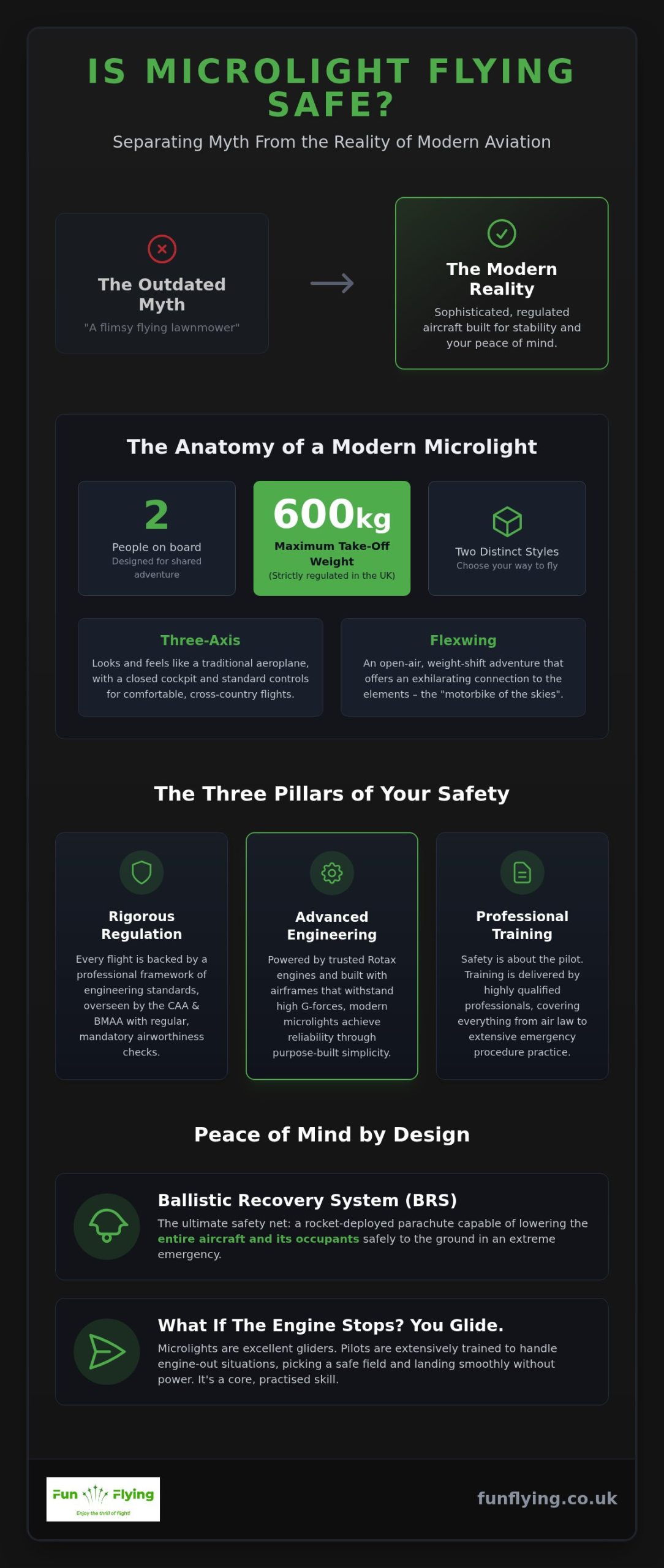
Forget the outdated image of a “flying lawnmower” or a flimsy motorised kite. Modern microlights are sophisticated, factory-built aeroplanes that offer a level of performance and reliability that rivals much larger aircraft. Many people ask is microlight flying safe because they imagine flimsy frames; in reality, these are robust machines designed for adventure. If you are asking What is a Microlight?, it is essentially a regulated aircraft designed for two people, strictly limited by weight and speed. In the UK, these machines are limited to a maximum take-off weight of 600kg. This isn’t just about weight; it’s about agility, efficiency, and pure, unadulterated fun.

The Two Main Types: Three-Axis and Flexwing

When you begin to learn to fly, you’ll choose between two distinct styles. Three-axis microlight training involves aircraft that look and feel like traditional planes, featuring a closed cockpit and standard controls. If you prefer the wind in your face, the flexwing variety offers a weight-shift, open-air adventure. Both types are incredible fun, and crucially, both must meet the same stringent UK safety requirements. Whether you want the comfort of a cabin or the raw thrill of the elements, the engineering ensures your peace of mind whilst you’re in the clouds. To explore the full range of options available to you, our guide to microlight aircraft types UK pilots can fly covers everything from flexwings to modern three-axis machines in detail.

A Regulated World: The Role of the BMAA and CAA

Safety isn’t left to chance. The Civil Aviation Authority (CAA) and the British Microlight Aircraft Association (BMAA) provide rigorous oversight. Every aircraft undergoes regular airworthiness checks to ensure it remains in peak condition. When people ask is microlight flying safe, the answer is found in the meticulous care taken by these organisations. UK regulations are amongst the strictest globally, meaning every flight you take is backed by a professional framework of engineering standards and legal requirements. It’s a professional reality that allows the infectious joy of the sport to truly shine. For those interested in how these rigorous safety principles are applied in other professional environments, you can discover You Can Do It Training Ltd and their range of accredited health and safety courses.

Engineering Peace of Mind: Why Microlights are Built for Safety

When you step into a modern cockpit, the first thing you’ll notice isn’t fragility; it’s the solid, purposeful engineering. Modern microlights are built around the legendary Rotax engine. These powerplants have an incredible power-to-weight ratio, providing snappy performance and reliability that pilots trust implicitly. It’s this “Safety by Design” philosophy that helps answer the question: is microlight flying safe? Every component is optimised for lightness without sacrificing an ounce of strength. You can feel that quality in the firm click of the harness and the responsive, sturdy feel of the controls.

The airframes themselves are designed to withstand significant G-forces, often exceeding the requirements for standard recreational flying. Imagine banking into a turn where the aircraft feels locked on rails; that’s the result of rigorous BMAA engineering standards. This professional level of construction ensures that the dream of flight feels grounded and secure, allowing you to focus on the spectacular views below.

Ballistic Recovery Systems (BRS)

One of the most exciting innovations in lightweight aviation is the Ballistic Recovery System. It’s essentially a rocket-deployed parachute designed to lower the entire aircraft safely to the ground in an extreme emergency. While they are very rarely needed, having this ultimate “safety net” provides an incredible level of reassurance for new pilots. It’s a hallmark of modern microlight technology that proves how much the industry prioritises your security.

The Strength of Simplicity

There’s a unique beauty in keeping things simple. Because microlights have fewer complex electronic systems than a commercial jet, there are fewer parts that can potentially malfunction. Their lightweight nature also allows for much lower landing speeds, giving you more time and control during the most critical phases of flight. In the world of aviation, simplicity isn’t just a design choice; it’s a direct path to reliability in the air. If you’re ready to see this engineering in action, you can learn to fly with a team that puts professional standards at the heart of every lesson.

Is Microlight Flying Safe? Everything You Need to Know Before Taking Off

The Human Element: Training and Emergency Preparedness

Safety isn’t just about the wings and the engine; it’s about the person in the pilot’s seat. When people ask is microlight flying safe, the answer lies heavily in the professional training required to earn a licence. At the Wiltshire Microlight Centre, our instructors aren’t just “experienced hobbyists.” They’re highly qualified professionals who have spent years mastering the skies. From your very first lesson, you’ll be taught to think like a pilot, prioritising precision and calm decision-making.

A vital part of this journey happens on the ground. Microlight ground school UK covers essential topics like air law and meteorology. Understanding the “why” behind the “how” builds a foundation of confidence that makes every flight more enjoyable and secure. If you’re just starting out, our complete guide to microlight flying for beginners walks you through everything you need to know about taking the controls for the first time. When you’re ready to take the next step and pursue your licence, our detailed guide on how to become a microlight pilot and earn your NPPL breaks down every requirement and stage of the 2026 process.

What Happens if the Engine Stops?

It’s the most common fear, but here’s a secret: microlights are incredible gliders. If the engine stops, you don’t drop like a stone. You simply glide. Practising “forced landings” is a core part of the syllabus; you’ll learn exactly how to pick a safe field and touch down smoothly without any power at all. By the time you fly solo, this becomes second nature.

Weather and Decision Making

Real safety often comes down to knowing when to stay on the ground. We use sophisticated weather forecasting and “hazard awareness” training to ensure you only take off when conditions are right. Being a pilot means having the freedom to explore, but it also means having the wisdom to respect the elements. This disciplined approach ensures that the answer to is microlight flying safe remains a resounding yes for every one of our students. To complement your aviation skills, you might choose to explore Accredited First Aid and Safety Training Courses and develop the confidence to handle medical emergencies in any environment.

You’ve read about the engineering, the rigorous standards, and the expert training. Now, it’s time to see it all in action. Booking a trial flight is the absolute best way to answer the question: is microlight flying safe? At the Wiltshire Microlight Centre, we’ve created a professional yet incredibly friendly atmosphere where safety is woven into every conversation. You aren’t just a passenger; you’re a student pilot from the moment you step onto the airfield. It’s a welcoming community where your aviation dreams finally take flight.

Taking Control from Day One

We believe in a hands-on approach from the very start. On your first flight, your instructor will encourage you to take the controls and feel how the aircraft responds to your touch. It’s an empowering, life-changing moment that builds instant confidence. You don’t need to worry about making mistakes; our aircraft are equipped with a dual-control system. This means your expert instructor can take over instantly if needed, keeping you entirely secure whilst you explore the horizon. This immediate involvement turns a simple flight into a journey of self-discovery and skill.

Start Your Aviation Journey in Wiltshire

Flying over Yatesbury offers some of the most breathtaking views in the British countryside. Imagine soaring over rolling green hills and ancient landmarks with a perspective few ever get to see. We know that life is busy, so we offer flexible scheduling six days a week to fit your lifestyle perfectly. Whether you want to fly occasionally or dive into an intensive course, you can learn to fly at your own pace. Visit us, meet the team, and see why is microlight flying safe is a question best answered with a view from the cockpit.

Take the Leap into the Skies

The question “is microlight flying safe” shouldn’t be a barrier to your aviation dreams anymore. We have explored how modern microlights are sophisticated, factory-built machines, backed by world-class UK regulations and robust engineering. When you combine that incredible technology with professional instruction at the Wiltshire Microlight Centre, you aren’t just flying; you’re joining a welcoming community built on expertise and infectious joy.

Our dedicated team is here six days a week with flexible training schedules designed to suit your busy life. You will take control from your very first lesson, feeling the immediate empowerment of pilot life firsthand. There really is no better way to replace old anxieties with pure, unadulterated exhilaration. The horizon is waiting for you, and the view from our cockpits is even more spectacular than you have imagined. It’s time to stop looking up and start looking down from the clouds.

Ready to take to the skies? Book your Microlight Experience Flight today!

Frequently Asked Questions

How safe is microlight flying compared to other sports?

Statistically, microlight flying is the safest form of private aviation in the UK. The Civil Aviation Authority reports that it has a lower serious accident rate than many other recreational activities. When you consider the question, is microlight flying safe, you will find the fatality rate is approximately 1 per 40,000 flying hours. This makes it a secure and thrilling hobby for residents across Wiltshire and neighbouring areas like Swindon and Bristol.

Do I need a medical certificate to fly a microlight in the UK?

You don’t need a formal medical examination from a specialist doctor to start your journey. For a National Private Pilot’s Licence, you can simply complete a medical self-declaration on the Civil Aviation Authority website. This makes the sport incredibly accessible for aspiring pilots in Newbury or Basingstoke. It’s a straightforward process that removes the stress of elite medical requirements, letting you focus on the joy of taking control in the sky.

What is the maximum weight limit for a microlight pilot?

There isn’t a single universal limit for the pilot, but the aircraft itself has a maximum take-off weight of 600kg. This total weight includes the plane, fuel, pilot, and passenger. Most microlights can comfortably accommodate pilots up to 100kg or 110kg, but it’s always best to check with our team at the Wiltshire Microlight Centre. We help students from Reading and Andover find the perfect aircraft for their specific needs.

Can a microlight fly in strong winds or rain?

Microlights are designed to fly in various conditions, but we always prioritise your comfort and security. While modern machines can handle moderate breezes, we generally avoid flying in very strong, gusty winds or heavy rain to ensure the best learning experience. Our instructors use sophisticated forecasting to plan lessons for students from Bournemouth and Portsmouth. We want every flight to be as smooth and exhilarating as possible while keeping you entirely safe.

What happens if there is an engine failure during a flight?

If an engine fails, the aircraft doesn’t stop flying; it becomes a very efficient glider. You’ll simply glide down to a safe landing spot, such as a flat field. This scenario is a core part of our training syllabus at Yatesbury. We ensure every pilot is asking is microlight flying safe with confidence, knowing they have the skills to handle a forced landing calmly. It’s a routine safety procedure we master together.

Are there any age limits for learning to fly a microlight?

You can start your flight training as young as 14, making it a brilliant head start for teenagers in Wiltshire. You can fly solo from age 16 and hold a full pilot’s licence at 17. There’s no upper age limit as long as you can make your medical self-declaration. We welcome students of all ages from Swindon to Basingstoke who have a passion for adventure and a desire to experience true freedom.

Marce Colucci

Article by

Marce Colucci

Love to fly, and more importantly, love teaching others to fly.

NPPL Microlight Training UK: Your Comprehensive Guide to Getting Airborne

NPPL Microlight Training UK: Your Comprehensive Guide to Getting Airborne

What if the dream of soaring over the rolling Wiltshire countryside wasn’t reserved for the elite or the incredibly wealthy? It’s easy to assume that NPPL microlight training UK is a bank-breaking endeavour reserved for the young, but that couldn’t be further from the truth. If you’ve ever felt overwhelmed by technical jargon or worried that you’re too old to learn, you aren’t alone. We know exactly how it feels to want that sense of total freedom whilst feeling held back by the unknown.

We’re here to show you that getting your wings is the most accessible and exciting adventure you’ll ever take. Our expert breakdown of the NPPL syllabus and training at Yatesbury provides the clarity you need to move forward with confidence. You’ll discover that getting airborne is simpler and more joyful than you ever imagined. In this guide, we’ll walk you through the costs, explain the difference between aircraft types, and provide a clear, step-by-step roadmap to earning your licence. It’s time to stop watching from the ground and start your journey in the sky.

Key Takeaways

  • Understand exactly what the NPPL licence allows you to fly and why it’s the most efficient route to becoming a pilot.
  • Follow our detailed roadmap of the training syllabus, showing you how to progress from your first lesson to flying solo.
  • Compare the “motorbike in the sky” experience of a flexwing with the comfort of a three-axis aircraft to find your perfect NPPL microlight training UK.
  • Discover why our “take control from day one” approach at Yatesbury makes learning to fly an inclusive and high-energy adventure for everyone.

What is the NPPL Microlight Licence and Why Choose It?

Imagine the wind in your face and the world shrinking beneath you as you climb into the blue. The National Private Pilot Licence (NPPL) is your golden ticket to the clouds. It’s a UK-specific qualification designed for recreational pilots who want to fly for the sheer love of it. When you begin your NPPL microlight training UK, you’re choosing a path that prioritises adventure over bureaucracy. Adventure awaits.

With a Microlight Class Rating, you can pilot aircraft with a maximum take-off weight of up to 600kg. This covers modern, high-performance machines that make learning to fly such a rewarding experience. It is the favourite choice for weekend adventurers because it cuts through the complexity of a standard PPL. Whilst a PPL involves more rigorous training often suited for heavier aircraft, the NPPL focuses on pure “stick and rudder” flying fun. You’ll benefit from:

  • Lower training costs compared to traditional light aircraft.
  • Simplified medical requirements that keep you in the pilot’s seat.
  • A high-energy training environment that gets you airborne faster.

The Freedom of Recreational Aviation

At Fun Flying Aviation Ltd, we see how this licence transforms hobbyists into pilots. Once you have your licence, the UK’s skies are yours to explore. You’ll enjoy an incredible sense of autonomy, hopping between grass strips or visiting historic airfields. One of the biggest reliefs for many is the medical process. Instead of a rigorous clinical exam, most pilots can simply complete a medical self-declaration online. It’s a straightforward way to prove you’re fit to fly, similar to the standards for driving a car.

Is the NPPL Internationally Recognised?

Whilst this is a UK-specific licence, it doesn’t mean you’re grounded at the border. Many European countries accept the NPPL with some simple paperwork, allowing for cross-channel adventures. Essentially, the NPPL stands as the most accessible entry point for UK aviators in 2026 who want to experience the thrill of flight without the fuss. It’s the ultimate roadmap for those who want to own the sky.

The NPPL Microlight Training Syllabus: Your Roadmap to the Skies

Your journey with NPPL microlight training UK begins the moment you step onto the historic airfield at Yatesbury. From day one, we believe in a hands-on approach. You won’t just be watching; you’ll be flying. It starts with an introductory lesson where you take the controls and feel the aircraft respond. Next, you’ll master basic handling; things like coordinated turns, climbs, and descents. Once you’re comfortable, you’ll move to “the circuit.” This is where you refine the art of take-offs and landings until they become second nature. Finally, there’s the solo; that incredible, heart-pounding moment when you realise you’re the only one in the cockpit.

Flight Hour Requirements and the GFT

To earn your licence, you must meet the UK Civil Aviation Authority NPPL requirements. This includes a minimum of 25 hours of flight instruction, with at least 10 hours spent flying solo. Wondering how many hours for a microlight licence it takes on average? Whilst 25 is the legal minimum, many students find they need a few more hours to feel fully prepared for the General Flying Test (GFT), which is your final practical assessment with an examiner.

Mastering the Ground School Exams

You’ll also need to pass five multiple-choice exams. These cover Air Law, Meteorology, Navigation, Technical knowledge, and Human Performance. Don’t let the word “exams” put you off. Our Ultimate Guide to Microlight Ground School explains how we keep these sessions engaging and practical. We want you to understand the “why” behind the rules, making you a safer, more confident pilot. If you’re eager to get started, you can book your first lesson today and experience the thrill for yourself.

Choosing Your Aircraft: Flexwing vs Three-Axis Training

Deciding which aircraft to learn in is one of the most exciting parts of starting your NPPL microlight training UK. It’s like choosing between a rugged motorbike and a nimble sports car. Both offer incredible performance, but the sensations are worlds apart. At Fun Flying Aviation Ltd, we ensure you’re hands-on from the first minute, giving you total control of your adventure regardless of the airframe you choose.

Flexwing: The Ultimate Open-Air Experience

If you crave a visceral connection with the sky, the flexwing is for you. These aircraft use a weight-shift system where you control the flight by moving a bar to shift the trike unit below the wing. It feels incredibly intuitive. Because there’s no traditional cockpit enclosure, the visibility whilst soaring over the Wiltshire countryside is absolutely peerless. It’s the favourite choice for NPPL microlight training UK students who want to feel the wind and the raw energy of flight.

Three-Axis: The Classic Aeroplane Feel

For those who prefer a traditional feel, three-axis microlights are perfect. These handle like conventional light aircraft, using a stick and rudder pedals to control your movement through the air. They offer the comfort of an enclosed cabin, making them a great choice for all-weather flying or for students who eventually want to progress to heavier aeroplanes. You’ll still get that high-energy performance, but within a familiar, reassuring environment that feels like a modern cockpit.

Can’t decide? Don’t worry. Many pilots start on one type and later use our conversion training to master the other. The skills you learn are highly transferable, and the joy of flight remains the same. It’s all about finding the aircraft that matches your personal sense of adventure and your long-term flying goals.

Compare our aircraft and book your trial flight

NPPL Microlight Training UK: Your Comprehensive Guide to Getting Airborne

Why Train at the Wiltshire Microlight Centre in Yatesbury?

Choosing the right school is just as vital as choosing the right aircraft. At Fun Flying Aviation Ltd, we offer more than just lessons; we provide a vibrant aviation community. Whether you’re travelling from Swindon, Bristol, or further afield, our historic airfield provides the perfect, high-energy backdrop for your NPPL microlight training UK. We don’t believe in making you wait on the sidelines. Our “take control from day one” philosophy ensures you’re handling the aircraft and feeling the thrill of flight from your very first session.

We understand that life is busy. That’s why we operate six days a week, providing the flexible scheduling needed to fit your training around a demanding professional life. It’s a friendly, club-like environment where learning is inclusive and encouraging. You’ll find a welcoming space where the joy of the experience is always the top priority, making every visit to the airfield feel like a mini-adventure amongst friends.

Perfect Flying Conditions in the Heart of Wiltshire

The views from our centre are truly spectacular, offering a sense of liberation you won’t find anywhere else. You’ll often find yourself soaring over iconic landmarks like the vast expanses of Salisbury Plain or the majestic Cherhill White Horse. Our Wiltshire Microlight Centre Guide dives deeper into why this historic location is the premier choice for aviators across the region.

Start Your Journey with a Trial Flight

The best way to begin your adventure is to learn to fly with Fun Flying Aviation Ltd by booking an introductory trial flight. This is a bold first step and becomes your first official entry in your pilot logbook. Crucially, every trial flight counts towards your total NPPL hour requirements, making that first take-off a practical leap towards your licence. It’s time to stop dreaming about the sky and start owning it.

Your Journey to the Clouds Starts Here

You’ve seen that the path to becoming a pilot is more attainable than you ever dreamed. Whether you choose the open-air thrill of a flexwing or the classic feel of a three-axis aircraft; your journey is about finding true freedom. We’ve explored how NPPL microlight training UK offers a streamlined, cost-effective route to the skies without the complexity of traditional licences. It’s a world where the horizon is your only limit.

At Yatesbury, our expert instructors are ready to guide you six days a week. You’ll take control from your very first lesson, turning that long-held aspiration into a practical skill. There’s no better time to swap the view from the ground for the perspective from the cockpit. We take pride in making aviation inclusive, high-energy, and accessible to everyone who has ever looked up and wondered what it feels like to fly.

Ready to take the controls? Book your first microlight lesson at Yatesbury today!

We can’t wait to see you at the airfield and help you earn your wings. Your greatest adventure is just one take-off away!

Frequently Asked Questions

Do I need a medical to start NPPL microlight training?

You don’t usually need a formal medical exam to begin your NPPL microlight training UK. Most of our students from Swindon and Bristol simply complete an online declaration with the CAA. It’s a straightforward self-assessment of your fitness to fly. This matches the standards required for a standard driving licence. This inclusive approach makes starting your aviation adventure easier than ever. Focus on the joy of the flight!

What is the minimum age to get a microlight licence in the UK?

You can begin your journey at almost any age. Just ensure you can safely reach the controls! Legal milestones still apply. You must be 14 to start logging flight hours and 16 before your first solo flight. To be issued your full licence, you’ll need to be at least 17 years old. It’s a fantastic way for young adventurers in Wiltshire to gain unique skills early in life.

How much does NPPL microlight training typically cost?

Obtaining your licence is a significant investment in your future freedom. Your budget covers flight instruction, ground school exams, and essential equipment. The final amount depends on your individual learning pace. It also varies between flexwing and three-axis aircraft training. We offer flexible scheduling six days a week to help you manage your training. It’s the most cost-effective way to experience the liberation of being a pilot in the UK.

Can I fly a microlight at night or in clouds with an NPPL?

The NPPL is specifically for recreational flying under Visual Flight Rules. You’ll fly during daylight hours whilst staying clear of clouds. Maintaining a clear view of the ground is essential. It’s all about enjoying the spectacular Wiltshire scenery in perfect conditions. If you’re looking for the pure experience of seeing Salisbury Plain from above, this licence provides the autonomy and adventure you’re after.

How long does it take to complete the NPPL training on average?

The legal minimum requirement is 25 hours of flight time. However, most students find they need more to feel truly confident. On average, pilots complete their NPPL microlight training UK in about 57 hours. Your personal timeline depends on how frequently you visit us at Yatesbury. Regular lessons keep your skills sharp. We’ll help you move quickly from a student to a fully qualified pilot.

Marce Colucci

Article by

Marce Colucci

Love to fly, and more importantly, love teaching others to fly.

Microlight Flying Near Bristol: Your Guide to Taking the Controls

Microlight Flying Near Bristol: Your Guide to Taking the Controls

What if the most breathtaking view of the Clifton Suspension Bridge wasn’t from the ground, but from a cockpit you were actually controlling? Many assume that taking to the skies is a hobby reserved for the elite. This myth keeps far too many feet on the ground. The reality is that microlight flying near Bristol is one of the most accessible ways to experience the pure joy of aviation. You don’t need a massive bank balance to feel the wind under your wings.

We understand the hesitation. You might be confused by aircraft types or worried that you’ll just be a passenger. We agree the best way to learn is by doing. This guide will show you how to take the controls on your first flight and see the West Country like never before. We will explain why 85% of new pilots choose three-axis aircraft and provide a clear path to your pilot licence. It’s time to turn that dream into reality.

Key Takeaways

  • Discover why microlighting is the most affordable and thrilling way to see the West Country from a unique bird’s eye view.
  • Learn the difference between three-axis and flexwing aircraft so you can choose the perfect style for your microlight flying near Bristol.
  • Find out how you can take the controls and actually fly the aircraft during your very first lesson at Yatesbury.
  • Understand the simple steps to transition from a one-off experience flight to earning your full National Private Pilot Licence.

Microlight Flying: Why it’s Perfect for Bristolians

Imagine trading the slow crawl of the M32 for the wide-open horizon of the West Country. Microlight flying near Bristol offers a radical escape from the city bustle. It’s the most modern, lightweight, and cost-effective way to get airborne. Unlike traditional heavy aircraft, these machines are designed for pure agility and a genuine connection with the environment. You can choose between the “wind-in-your-face” thrill of an open cockpit or the streamlined comfort of an enclosed cabin. Either way, you’ll enjoy a bird’s eye view of the landscape that no commercial airliner can ever match.

The Dream of Flight Made Accessible

You don’t need to be a millionaire or a mathematical genius to take to the skies. For decades, microlight aviation has been breaking down the barriers that once made flying feel like an exclusive club. It’s about “unplugging” from the ground and leaving your daily stress at the hangar door. Whether you’re soaring over the rolling Cotswolds or spotting the historic Wiltshire White Horses from above, the sense of autonomy is intoxicating. It’s an inclusive hobby that prioritises the joy of the experience over stuffy tradition. If you’ve ever looked up and wondered “what if?”, this is your answer.

Modern Engineering Meets Pure Fun

Don’t let the “lightweight” label fool you. Modern microlights are high-tech, incredibly reliable machines built with precision. When you explore microlight flying near Bristol, you’ll find aircraft that are remarkably responsive and fuel-efficient. Many pilots appreciate the simplicity of SSDR (Single Seat De-Regulated) aircraft. In simple terms, this means freedom from red tape and more time spent actually flying. If you decide to learn to fly, you’ll find these aircraft represent the cutting edge of recreational flight. They combine safety with a level of excitement that heavy planes simply can’t replicate.

Flexwing vs Three-Axis: Choosing Your Bristol Flying Style

When you start looking into microlight flying near Bristol, you’ll find that the “microlight” label actually covers two very different ways to fly. It’s not just about getting into the air; it’s about how you want to interact with the sky. According to the British Microlight Aircraft Association, three-axis aircraft have become the dominant choice for new pilots, making up 85% of new licences in 2023. However, the choice remains entirely personal. Are you looking for the familiar comfort of a traditional cockpit, or do you crave the raw, open-air adventure of a weight-shift machine?

The Three-Axis Experience

Three-axis microlights are essentially miniature aeroplanes. They come with enclosed cabins, doors, and a conventional joystick or yoke. This is the ideal choice if you want to fly in all-weather comfort or if you eventually plan to transition to larger aircraft. You’ll sit side-by-side with your instructor, getting hands-on with the controls from the moment you leave the ground. It’s a sophisticated, high-tech experience that feels both sturdy and incredibly agile. It’s perfect for those who appreciate precision and a familiar pilot feel.

The Flexwing Adventure

For the true thrill-seekers, flexwings offer something completely different. Often described as motorised hang-gliders, these aircraft use a weight-shift system for control. Instead of a joystick, you move a metal bar to tilt the wing above you. There are no doors and no cockpit walls; it’s just you and the elements. You’ll feel every change in the air and see the ground directly beneath your feet as you soar over Yatesbury. It’s the most visceral way to fly. If you’re unsure which path to take, you can explore our training options and let our expert instructors guide your choice.

Your First Lesson: Taking Control Near Bristol

Most experience flights leave you as a spectator, watching the world go by from the passenger seat. At Fun Flying Aviation Ltd, we believe you learn best with your hands on the controls. Microlight flying near Bristol shouldn’t be a passive activity. From your very first trial flight, you’ll be the one guiding the aircraft through the sky, feeling every subtle movement and adjustment.

Your journey begins at the Wiltshire Microlight Centre in Yatesbury. After a warm welcome, your professional instructor will walk you through a pre-flight briefing. We follow the rigorous safety and training standards set by the British Microlight Aircraft Association (BMAA), ensuring you feel confident before we even start the engine. Once we’re on the runway, the real magic happens. As we lift off and the Wiltshire skyline opens up, you’ll feel the incredible lightness and responsiveness of the aircraft. Once we reach a safe altitude, the instructor will say the words you’ve been waiting for: “You have control.” You’ll spend your lesson learning the fundamentals, including smooth turns, steady climbs, and controlled descents, all whilst soaking in the stunning countryside views.

Getting to Yatesbury from Bristol

Escaping the city for microlight flying near Bristol is easier than you think. Yatesbury is a straightforward 45-minute drive from Bristol via the M4. Unlike the hectic, high-pressure environment of Bristol International, our centre offers a peaceful, community-focused atmosphere. It’s a place where you can focus entirely on the joy of flight without commercial distractions.

What to Bring for Your Flying Debut

You don’t need a flight suit, but comfort is key. Even on warm days, it’s cooler up high, so wear plenty of layers to stay warm. Sensible, flat shoes are a must for operating the foot pedals effectively. Don’t forget a camera with a secure strap to capture those unforgettable views. Most importantly, bring a sense of adventure and a “can-do” attitude.

Book Your First Microlight Lesson Today

Microlight Flying Near Bristol: Your Guide to Taking the Controls

From Experience Flight to Licensed Pilot

What starts as a single microlight flying experience near Bristol often turns into a lifelong obsession. There is something about taking the controls for the first time that changes your perspective forever. If you find yourself constantly looking at the clouds after your trial flight, it’s time to consider the NPPL (National Private Pilot Licence). This is your official passport to the UK skies. It’s a recognised qualification that allows you to fly microlights without an instructor, opening up a world of weekend adventures and cross-country trips.

We understand that life in the city is busy. That’s why Fun Flying Aviation Ltd operates six days a week and offers flexible schedules to suit your lifestyle. Whether you’re a weekend warrior or have time during the week, we can organise your training to fit around your professional commitments. Our goal is to make microlight flying near Bristol accessible to everyone. If you’re ready to commit to a new challenge, you can learn to fly through our structured courses that guide you from your first solo to your final skills test.

Ground School and Beyond

Don’t let the idea of “school” put you off. Ground school is simply about learning the “rules of the road” for the sky. You’ll cover essential topics like air law, meteorology, and navigation. It’s practical, fascinating, and ensures you’re a safe, confident pilot. Most students find that the theory naturally complements their time in the cockpit. For a deeper dive into what to expect, check out our guide on microlight ground school UK.

Joining the Fun Flying Aviation Ltd Community

Learning to fly is about more than just technical skill; it’s about the people you meet. The Wiltshire Microlight Centre at Yatesbury is a thriving social hub. You’ll find a community of like-minded enthusiasts ready to share stories and flying tips. It’s the perfect environment to grow as a pilot and find new friends who share your passion for the clouds. Ready to start your journey? Book your trial flight today and take the first step toward your pilot licence.

Take the Controls and Start Your Aviation Adventure

The dream of navigating the clouds is closer than you think. Microlighting offers a modern, cost-effective way to experience aviation without the elite price tag. Whether you choose a three-axis cockpit or the raw adventure of a flexwing, you won’t just be a passenger. At our centre, professional instructors ensure you take control from your very first lesson.

Finding the best microlight flying near Bristol doesn’t require navigating busy international airports. Our Yatesbury base is a welcoming escape located just a short drive along the M4. It’s time to stop looking up and start seeing the West Country from the pilot’s seat. Your journey toward a pilot licence starts with one exhilarating flight.

Book Your Hands-On Microlight Experience Today

We can’t wait to see you on the runway and help you discover the freedom of the open sky. The horizon is waiting.

Frequently Asked Questions

Do I need any previous experience to fly a microlight near Bristol?

You don’t need any prior aviation experience to enjoy microlight flying near Bristol. Our trial flights are specifically designed for complete beginners. From the moment you arrive at Yatesbury, our professional instructors guide you through every step. You’ll receive a full safety briefing before heading to the aircraft. Because we focus on a hands-on approach, you’ll be encouraged to take the controls and fly the plane yourself during your very first lesson.

What is the age limit for microlight flying in the UK?

There is no upper age limit, provided you’re fit to fly. For younger enthusiasts, you can start counting your flight training hours toward a licence from age 14. However, UK regulations state you must be at least 16 years old to fly solo and 17 to hold a National Private Pilot’s Licence (NPPL). For introductory experience flights, we simply require participants to be tall enough to see out and reach the controls safely.

How is a microlight different from a standard light aircraft?

The primary difference lies in the weight and simplicity of the machine. Microlights are defined as lightweight, two-seat aircraft with a maximum take-off weight that is significantly lower than traditional aeroplanes. This makes them more cost-effective to operate and maintain. Whilst standard light aircraft often require complex systems, microlights focus on the pure joy of flight, offering a more visceral, connected experience with the air and the landscape below you.

What happens if the weather is bad on the day of my flight?

Safety is always our absolute priority. If the wind is too strong or visibility is poor, we will simply reschedule your flight for a better day. We keep a close eye on the forecast and will contact you as early as possible if the conditions look unsuitable. Don’t worry about losing out; your experience voucher remains valid, and we’ll work with you to find a new slot that fits your schedule.

Can I give a microlight flight as a gift to someone in Bristol?

Absolutely. A microlight flying experience near Bristol makes an unforgettable gift for anyone who has ever dreamed of being a pilot. We offer experience flight vouchers that allow the recipient to book their session at a time that suits them. It’s a fantastic way to celebrate a special birthday or anniversary, providing more than just a ride. They’ll get to take the controls and experience the thrill of real aviation firsthand.

Marce Colucci

Article by

Marce Colucci

Love to fly, and more importantly, love teaching others to fly.

Flying Lessons near Chippenham: Guide to Wiltshire Skies

Flying Lessons near Chippenham: Guide to Wiltshire Skies

Imagine sitting in the pilot’s seat, looking down at the golden Wiltshire hills while you personally bank the aircraft into a gentle turn. Most people assume that taking flying lessons near Chippenham is a dream reserved for the wealthy or those with years of engineering knowledge. You might worry about drowning in complex technical jargon or think it’s impossible to squeeze training into your hectic work week. We get it. The truth is that starting your aviation journey is far more accessible and affordable than you ever imagined.

This guide reveals how you can take control of a microlight from your very first lesson at a friendly, local centre just a 15-minute drive away in Yatesbury. We’ll show you a clear path to earning your licence with a flexible schedule that works around your life, six days a week. From the heart-pounding excitement of trial flights to the ultimate freedom of the open sky, discover why your seat in the cockpit is already waiting for you.

Key Takeaways

  • Discover how easy it is to start flying lessons near Chippenham and soar above iconic Wiltshire landmarks like the historic white horses.
  • Learn why microlighting is the most cost-effective and modern way to earn your wings without the high costs or complexity of traditional aviation routes.
  • Find out why a supportive instructor and a modern, well-maintained fleet are the most important factors when choosing your local flight school.
  • Understand how you can take control of the aircraft from your very first lesson and fit training into your life with flexible schedules six days a week.

Your Sky-High Adventure: Discovering Flying Lessons near Chippenham

Imagine the sensation of lifting off and seeing the world shrink beneath you. It’s not just a dream; it’s exactly what happens when you start flying lessons near Chippenham. Unlike traditional aviation, which can feel heavy and disconnected, microlighting offers a pure, tactile experience. These modern, lightweight aircraft are the ultimate game-changers, providing a responsive and exciting way to explore the skies. You aren’t just a passenger here. From your very first trial flight, you’ll have your hands on the controls, feeling the aircraft react to your every move under the guidance of a professional instructor. It’s the most accessible way to start your aviation journey right on your doorstep in Wiltshire.

The Magic of the Wiltshire Landscape from Above

Flying over Wiltshire is a visual feast. As you climb, the historic Cherhill White Horse reveals itself in full glory; it’s a view few ever get to see from this perspective. The rolling Wiltshire Downs provide more than just a stunning backdrop. The local geography often creates stable flying conditions that are perfect for newcomers. Spotting local landmarks from a bird’s eye view transforms the familiar landscape into a vast, breathtaking playground. There’s nothing quite like identifying your own neighbourhood from a thousand feet up.

Why Local Matters: Convenience for Your Aviation Journey

Choosing a school close to home is the secret to success. Our centre at Yatesbury is just a short, 15-minute drive from Chippenham, meaning you spend less time commuting and more time in the cockpit. Maintaining training momentum is vital when you’re mastering new skills. Because we operate six days a week, you can easily learn to fly around your existing work schedule. This flexibility ensures your new favourite hobby remains a joy rather than a chore, helping you progress quickly towards your pilot licence.

Microlights vs Traditional Aircraft: Which Path is Right for You?

Choosing the right path for your flying lessons near Chippenham often comes down to one question: what kind of pilot do you want to be? Traditional aviation often feels like a steep, expensive climb, but microlighting opens a much more accessible door. Modern microlights are high-performance aircraft that are just as safe and sophisticated as their larger cousins. Because they’re lighter and more fuel-efficient, the cost of training is significantly reduced. You’re getting the same thrill of flight without the elite price tag or the stuffy atmosphere often found in traditional flight schools.

Fixed-Wing vs Flex-Wing: Finding Your Style

Do you crave the classic cockpit experience or the ultimate “wind in your face” adventure? Three-axis microlights look and handle exactly like a conventional aeroplane, providing a familiar and enclosed environment. If you want a more visceral, open-air sensation, the flex-wing trike is for you. It uses weight-shift control, giving you an incredible sense of connection to the Wiltshire skies. Both styles are exhilarating; it simply depends on the feeling of flight you’re looking for.

The NPPL Advantage: A Simpler Route to Your Wings

The National Private Pilot Licence (NPPL) is the secret weapon for recreational pilots. While a traditional Private Pilot Licence often requires 45 hours of training, the NPPL for microlights can be achieved in as little as 25 hours. This focused approach gets you into the air sooner and keeps your training momentum high. It’s a practical, modern route to solo flight that doesn’t compromise on safety or skill. Learn more about NPPL microlight training UK to see how this streamlined training fits your goals.

Safety is always the top priority. Modern microlights are built to rigorous UK engineering standards and are incredibly robust. They offer a stable, reliable platform for learning, ensuring you feel confident and secure from your very first take-off. If you’re looking for a smart, thrilling way to start your journey, this is it.

Choosing Your Local Flying School: 4 Essential Factors to Consider

Selecting the right environment for your flying lessons near Chippenham is the most important decision you’ll make. It’s not just about finding a place with a runway; it’s about finding a community that fuels your passion. You need an instructor who acts as a friendly guide, balancing professional expertise with infectious enthusiasm. Fleet quality is just as vital. Learning in a modern, well-maintained aircraft ensures your time in the air is both safe and genuinely fun. Don’t settle for a school that feels like a factory.

Why Atmosphere Beats Infrastructure

Busy commercial airports can be intimidating for newcomers. A dedicated flying centre offers a relaxed, club-like feel where you can chat with other pilots and students. This social side makes the learning process much more inclusive. It’s also worth checking if they provide dedicated microlight ground school UK support. Having expert help with the theory side of aviation turns a daunting task into an achievable goal.

Checking for Flexibility and Support

Does the school fit your lifestyle? Since your time is precious, look for a centre that operates six days a week. This flexibility allows you to maintain training momentum without sacrificing your work-life balance. A top-tier school should offer a complete range of services, including trial flights, full licence training, and even licence revalidations. Your first lesson should always be a no-pressure trial flight, giving you the chance to take control and see if the instructor vibe is right for you.

Book your first lesson and take control

Flying Lessons near Chippenham: Guide to Wiltshire Skies

Why Yatesbury is the Favourite Hub for Chippenham Pilots

Location is everything. While some schools operate from busy, impersonal tarmac strips, the Wiltshire Microlight Centre at Yatesbury feels like home. It’s just a 15-minute drive from the town centre, making flying lessons near Chippenham incredibly convenient. Our Fun Flying philosophy is simple. We believe aviation should be inclusive, upbeat, and undeniably exciting for everyone. You won’t find any stuffy, elite attitudes here; just a group of people who truly love being in the air.

Your First Lesson at Yatesbury: What to Expect

The moment you arrive at the airfield, the buzz of anticipation is real. You’ll meet your instructor, an “Expert Enthusiast” who perfectly balances professional safety with pure, unadulterated fun. After a brief but thorough walkaround of the aircraft, you’re straight into the cockpit. We don’t believe in making you sit on the sidelines. You’ll be taking the controls and feeling the aircraft climb into the Wiltshire air from your very first minute. It’s a visceral, heart-pounding experience that immediately turns observers into active participants.

Joining the Fun Flying Family

Joining us means becoming part of a local family that shares your passion for the clouds. We provide comprehensive support that goes far beyond the cockpit. Whether it’s tackling theory in our ground school sessions or joining group fly-outs to other airfields, you’re never flying alone. This camaraderie is what makes Yatesbury the perfect spot for flying lessons near Chippenham. If you’re ready to map out your progress, check out how many hours you might need for your licence and see how quickly you can join our ranks. The Wiltshire skies are calling; it’s time to answer.

Your Journey to the Clouds Starts Today

The dream of flight is closer than you think. You’ve discovered that microlighting isn’t just a hobby for the elite; it’s an accessible, high-energy adventure right on your doorstep. By choosing flying lessons near Chippenham at our Yatesbury centre, you’re opting for a supportive community and expert instructors who live for the thrill of the sky. Remember, you won’t be a spectator. You’ll take control of the aircraft from your very first lesson. With our flexible schedules operating six days a week, fitting your training around a busy work life has never been simpler. It’s time to stop looking up at the clouds and start looking down at the world from the pilot’s seat.

Start your aviation journey with a trial flight at Fun Flying today!

We can’t wait to see you at the airfield and help you earn your wings. The Wiltshire skies are waiting for their newest pilot, and that pilot is you.

Frequently Asked Questions

How much do flying lessons near Chippenham usually cost?

Costs for flying lessons near Chippenham depend on whether you are booking a one-off experience or a full training course. Microlighting is widely regarded as the most accessible and cost-effective route into aviation. It offers a much lower entry point than larger aircraft types. You can pay for lessons as you go, which helps you manage your budget whilst you work towards the freedom of your own pilot licence.

Do I need any previous experience to book a trial flying lesson?

No previous experience is required to step into the cockpit. These lessons are tailored for complete newcomers, providing a supportive environment where you can learn at your own pace. Your instructor will guide you through every step, and you’ll be encouraged to take control of the aircraft during your very first flight. It’s all about making the magic of aviation inclusive and exciting for everyone, regardless of their background.

What is the minimum age to start taking flying lessons in the UK?

There is no upper age limit, but the UK has clear rules for younger pilots. You can start your training at any age; however, you must be 14 for hours to count towards a licence. You can fly solo from age 16 and hold a full licence at 17. Starting young is a brilliant way to develop discipline and a lifelong passion for the Wiltshire skies whilst building technical skills.

Is microlight flying safer than traditional light aircraft?

Modern microlights are exceptionally safe and engineered to the highest UK standards. They are often more agile than traditional light aircraft and have much lower landing speeds, which provides a significant safety advantage. Every aircraft in our fleet is meticulously maintained. Our professional instructors focus on building your confidence through practical, hands-on training, ensuring you feel secure and supported every time you leave the ground at Yatesbury.

How long does it take to get a microlight pilot licence from a local school?

You can earn your NPPL (Microlight) licence in as little as 25 hours of flight training. This is much faster than traditional aircraft requirements, making it the perfect choice for flying lessons near Chippenham. Because we operate six days a week, you can maintain a consistent training rhythm. Your progress depends on how often you fly, but the journey is designed to be straightforward, rewarding, and undeniably fun.

Marce Colucci

Article by

Marce Colucci

Love to fly, and more importantly, love teaching others to fly.

Flying School Near Basingstoke: Your Ultimate Guide to Microlight Aviation

Flying School Near Basingstoke: Your Ultimate Guide to Microlight Aviation

What if your very first step into the cockpit wasn’t just to watch, but to actually take the controls and feel the lift beneath your wings? It’s a common frustration when searching for microlight flying near Basingstoke; you want the thrill of aviation, but you’re worried about being treated like just another number at a busy commercial hub. You’ve likely spent time wondering if you’ll actually get to fly or if you’ll be stuck watching someone else have all the fun whilst you sit in a classroom.

We understand that desire for genuine freedom and the need for a friendly, expert guide to show you the ropes. This guide will help you navigate the different types of microlights and show you why a short trip to the tranquil Wiltshire countryside offers a superior path to your National Private Pilot’s Licence. We’ll explore how you can take charge of the aircraft on your very first lesson, the specific benefits of training at Yatesbury, and the clear, exciting steps involved in earning your wings. Get ready to stop dreaming about the clouds and start navigating them yourself.

Key Takeaways

  • Discover why microlight flying near Basingstoke is more accessible than you think, with world-class training centres located just a 45-minute drive away in the scenic Wiltshire countryside.
  • Understand the difference between the open-cockpit thrills of a flex-wing aircraft and the traditional aeroplane feel of a fixed-wing microlight to find your perfect flying style.
  • Learn how a hands-on approach allows you to take the controls and start learning to fly from your very first lesson, rather than just being a passenger.
  • Visualise your clear path to earning a pilot’s licence and joining a friendly community of adventurers who prioritse freedom and fun in the skies.

Choosing the Right Microlight Flying School Near Basingstoke

If you’re hunting for microlight flying near Basingstoke, you’re actually in a bit of a sweet spot. Within a 45-minute drive, you have access to some of the most iconic airfields in the South of England. But here’s the kicker: the best choice isn’t always the closest one. You need to decide between a busy general aviation hub and a dedicated microlight centre. While larger airfields are exciting, they often come with long queues on the taxiway. Imagine paying for a lesson only to spend fifteen minutes waiting for a commercial twin-engine plane to land. It’s frustrating!

Choosing a quieter spot like Yatesbury means more time with your hands on the controls. It’s about the “vibe” too. You want a school where the instructors feel like knowledgeable peers. Look for a place that offers a variety of aircraft and a genuine community. After all, microlight aviation is as much about the social side as it is about the skill of flying. When you search for microlight flying near Basingstoke, prioritising a tranquil environment over proximity can transform your training experience.

The Benefits of Training at a Dedicated Microlight Centre

When a school focuses purely on lightweight aircraft, the learning environment changes. You aren’t just a small plane dodging larger traffic; you’re the priority. Dedicated centres offer a more supportive atmosphere for beginners. You’ll find instructors who live and breathe this specific style of flight. They can help you learn to fly by focusing on the unique handling and freedom that microlights provide. This specialist expertise ensures you aren’t just following a generic syllabus, but truly mastering your craft in a scenic setting whilst working towards your NPPL. Plus, flexible schedules make it easy for busy professionals to fit lessons into their week.

Flex-wing or Fixed-wing: Which Microlight Suits Your Style?

Imagine the rush of the wind against your face as you soar over the rolling hills of the North Wessex Downs. This is the flex-wing experience. Often called the ‘motorcycle of the sky’, these aircraft use weight-shift control, meaning you move the wing itself to steer. It’s raw, visceral, and incredibly exciting. If you’re looking for microlight flying near Basingstoke that connects you directly with the elements, this is the ultimate choice for pure, unadulterated fun. You’ll feel every thermal and see the world from a truly panoramic perspective.

Alternatively, fixed-wing microlights offer a more traditional ‘aeroplane’ feel. They feature enclosed cabins, heaters, and classic controls like a joystick and pedals. It’s a refined way to travel, making it perfect if you want to fly comfortably throughout the British winter or take longer cross-country trips with a friend. These aircraft are incredibly efficient and modern, often outperforming older, heavier planes. Your choice will influence your training and the type of adventures you’ll have once you’ve qualified.

Whilst the sensory experiences of these two aircraft are worlds apart, both paths lead to the exact same NPPL(M) licence. You don’t have to decide today; a trial flight is the best way to see which style of microlight flying near Basingstoke makes your heart race.

Understanding the NPPL(M) Licence

The NPPL(M) is the most affordable route into British aviation. To qualify, you’ll complete a minimum of 25 hours of flight training, including 10 hours of solo flight. You’ll also sit five theoretical exams covering essential knowledge like navigation. It’s a rewarding process that focuses on the joy of flight. If you’re curious about the steps, you can learn to fly with a syllabus tailored to your pace. Once you’ve earned your licence, it’s also worth staying ahead of the rules by understanding your microlight licence revalidation UK requirements, especially with significant CAA changes coming into effect by November 2026.

Your First Lesson: Taking Control Over the Hampshire and Wiltshire Border

Start with the rush. Most people searching for microlight flying near Basingstoke expect to sit back and watch. That’s not how we do things. At Fun Flying Aviation Ltd, you aren’t just a passenger; you are the pilot from day one. Our hands-on philosophy means you’ll feel the aircraft respond to your touch almost immediately. It’s an empowering, high-energy experience that replaces nerves with pure excitement. You’re in control.

The journey starts with a relaxed ground briefing where your instructor explains the basics of flight. No dry lectures here. You’ll move quickly to the aircraft for pre-flight checks before heading to the runway for an exhilarating take-off. As you climb, the landscape transforms. You’ll see the stunning North Wessex Downs unfold beneath you, with ancient landmarks like the Avebury stone circle appearing like tiny toys from your unique vantage point. The sense of autonomy is incredible.

Best of all, this isn’t just a one-off thrill. If you decide to pursue your licence, your very first trial flight counts towards your total training hours. It’s a practical, cost-effective way to start your aviation journey whilst enjoying the best scenery the South has to offer. Every minute in the air brings you closer to your goal of pilot freedom.

Book your first trial flight today

What to Bring to Your First Flight

Comfort is key. We suggest wearing layers, as it can be cooler at 2,000 feet than on the ground. Bring a pair of sunglasses to protect your eyes from the glare. We provide the rest, including professional headsets and flight suits. If you’re comparing Microlight vs PPL Training, you’ll quickly see that our approach is much more accessible and focused on the pure joy of being in the air. It’s about making flight feel possible for everyone.

Flying School Near Basingstoke: Your Ultimate Guide to Microlight Aviation

From Basingstoke to the Sky: Why the Drive to Yatesbury is Worth It

The drive from Basingstoke to Yatesbury takes about 45 minutes. It’s a small price to pay for what many consider the ‘hidden gem’ of the South. Whilst you might find options for microlight flying near Basingstoke that are slightly closer, they often lack the tranquil, historic charm of the North Wessex Downs. At the Wiltshire Microlight Centre, you aren’t just buying a lesson; you’re joining a vibrant community of adventurers. It’s a place where pilots swap stories over coffee and newcomers are welcomed like old friends. We pride ourselves on this social spirit.

We know life in the town can be hectic. That’s why we operate six days a week, offering the flexible scheduling busy professionals need to make their dreams a reality. Imagine waking up on a crisp Saturday morning, leaving the bustle of the town behind, and heading straight for the clouds. The freedom of having your own wings is closer than you think. Whether you’re looking for a one-off thrill or a lifelong hobby, the journey to Yatesbury is where your new life as a pilot truly begins.

Starting Your Aviation Journey Today

Ready to take the leap? Booking your first trial flight is simple. It’s the perfect way to test the waters, or you can purchase a gift voucher to give a loved one the ultimate surprise. For those who already hold a licence but want to experience the agility of these aircraft, we offer specialised Microlight Conversion Training UK. We help experienced pilots transition smoothly, and we also keep them informed about the latest microlight licence revalidation UK requirements and 2026 rule changes to ensure their rating stays current. This proves that microlight flying near Basingstoke offers a unique brand of freedom that heavier planes simply can’t match. Your path to the sky starts with a single phone call or click.

Take to the Skies and Claim Your Freedom

You’ve discovered that the best microlight flying near Basingstoke is actually found just 45 minutes away in the tranquil Wiltshire countryside. By choosing a dedicated centre like Yatesbury, you swap busy taxiways for more time in the air with our expert instructors who bring decades of experience to every lesson. Whether you crave the raw, open-air thrill of a flex-wing or the refined cabin comfort of a fixed-wing aircraft, your journey to pilot freedom starts with that very first hands-on minute in the cockpit. We prioritise your autonomy and progress from the moment you arrive at our historic airfield.

Book your first microlight lesson and take the controls today!

It’s time to stop looking up from the ground and start seeing the world from the pilot’s seat. With bespoke training tailored to your pace and a friendly community of adventurers waiting to welcome you, your aviation goals are well within reach. The sky is calling; let’s get you airborne today.

Frequently Asked Questions

Is microlight flying safe for beginners?

Microlight flying is incredibly safe; these modern aircraft are engineered to rigorous standards and regulated by the Civil Aviation Authority. Your safety is our absolute priority. Our expert instructors have decades of experience guiding beginners through their first steps. Because we operate in the tranquil airspace at Yatesbury, you don’t have to worry about the pressure of busy commercial traffic whilst you’re learning the fundamentals of flight.

How long does it take to get a microlight licence near Basingstoke?

You can earn your National Private Pilot’s Licence (Microlight) with a minimum of 25 hours of flight training. Most students find that 35 hours is a more realistic timeframe to feel truly confident. If you’re looking for microlight flying near Basingstoke, our six-day-a-week schedule helps you build momentum quickly. Your progress depends entirely on your personal aptitude and how frequently you can visit the airfield for lessons.

What is the age limit for learning to fly a microlight in the UK?

You can start your training as young as 14 years old in the United Kingdom. You’ll need to wait until you’re 16 to fly solo and 17 to officially hold your licence. There is no upper age limit at all. As long as you can make a medical self-declaration on the CAA website, you’re clear for take-off. It’s an inclusive hobby that welcomes adventurers of all generations.

Can I fly a microlight if I have no previous aviation experience?

No previous experience is required to start your journey into the clouds. In fact, most of our students arrive with zero aviation background. We specialise in taking you from total novice to confident pilot using a peer-to-peer approach that removes any intimidation. This focus on clear, expert guidance for newcomers is essential; just as englishdrivingschoolutrecht.nl supports international students on the road, we ensure you’ll find that microlight flying near Basingstoke is the most accessible way to take control of an aircraft and experience the thrill of flight yourself.

How much does it cost to start microlight flight training?

Starting your training involves paying for flight hours, ground school, and theoretical exams. Many students choose to pay for each lesson as they go, which makes the journey into aviation much more manageable for your monthly budget. This flexible approach allows you to progress at a pace that suits your lifestyle. We recommend starting with a trial flight to experience the magic before committing to a full training syllabus.

Marce Colucci

Article by

Marce Colucci

Love to fly, and more importantly, love teaching others to fly.

Microlight Gift Voucher UK: The Ultimate Flying Lesson Gift in Wiltshire

Microlight Gift Voucher UK: The Ultimate Flying Lesson Gift in Wiltshire

Have you ever looked up at a light aircraft and wondered what it actually feels like to be the one making it climb? Imagine the ground falling away as you pull back on the controls, soaring high above the ancient landscape whilst the world shrinks below you. Finding the perfect flying lesson gift Wiltshire shouldn’t involve worrying about whether the recipient will just be a passive passenger. In an era where UK consumers increasingly prioritise experiences over physical goods, you want a gift that offers real autonomy. We believe the best adventures are those where you’re right in the heart of the action.

In this guide, we’ll show you why a microlight experience is the ultimate choice for anyone craving a genuine pilot experience. You’ll discover how easy it is to take the controls under expert guidance, the stunning landmarks you’ll spot from the cockpit, and why our friendly Yatesbury centre makes booking a breeze. We’re diving into everything from aircraft types to the simple steps for organising an unforgettable day in the clouds. By the time you’ve finished reading, you’ll know exactly how to give the gift of flight with total confidence.

Key Takeaways

  • Learn why a microlight voucher isn’t just a passenger ride, but a hands-on adventure where the recipient actually takes the controls.
  • Understand the differences between fixed-wing and flex-wing aircraft to help you choose the perfect flying lesson gift Wiltshire for your friend or family member.
  • Find out what happens during the pre-flight briefing at our historic Wiltshire centre, where experts explain aviation basics whilst keeping things simple and fun.
  • Explore the stunning aerial views of historic landmarks like Silbury Hill and the White Horses that make soaring over the Wiltshire countryside so unforgettable.

Why a Microlight Gift Voucher is the Ultimate UK Adventure

A flying lesson gift Wiltshire is about more than just a ride; it’s a sensory explosion. The hum of the engine, the scent of the countryside, and the feeling of crisp air on your face create a visceral connection to the sky. Unlike traditional presents that gather dust, this is a memory that sticks for a lifetime. Recent data from April 2026 shows that 74% of UK consumers now prefer experience gifts over physical items. It’s easy to see why when you’re soaring over the downs whilst the world shrinks below. To truly grasp what microlight aviation is, you have to experience its simplicity. It’s the most accessible, pure form of flight, putting you right in the front-row seat of the clouds.

The Joy of Unrestricted Views

Commercial jets offer tiny, scratched windows that distance you from the world. In a microlight, you enjoy a panoramic cockpit view that feels truly limitless. Flying at lower altitudes transforms the Wiltshire landscape into a living, breathing map. You can see the intricate texture of the fields and the ancient paths of the countryside in stunning detail. It’s an immersive perspective that makes the earth feel vast yet strangely intimate.

A Gift That Inspires a New Hobby

Fixed-Wing vs Flex-Wing: Selecting the Perfect Flying Lesson Gift

Choosing a flying lesson gift Wiltshire can feel a bit daunting when you see terms like “fixed-wing” and “flex-wing” popping up in your search. Don’t worry. Both types are strictly regulated by the Civil Aviation Authority (CAA), so professional safety is always the top priority. The British Microlight Aircraft Association provides extensive oversight to ensure every flight follows rigorous standards. The choice really comes down to the recipient’s personality and the specific kind of “freedom” they want to feel whilst soaring amongst the clouds.

Fixed-Wing: The Mini-Aeroplane Experience

A fixed-wing or “three-axis” microlight looks, feels, and controls exactly like a traditional small aeroplane. It features a standard cockpit with a joystick, throttle, and pedals, offering a stable and intuitive flying experience. This is the ideal choice for “The Traditionalist” or anyone who prefers the comfort and security of an enclosed cabin. It’s a fantastic option for year-round flying, as the recipient is shielded from the wind and cold. If they’ve ever dreamed of sitting in a pilot’s seat, this provides a familiar, professional environment to start their journey. Those based further west can also explore microlight flying near Bristol as another accessible option for taking the controls in a three-axis aircraft.

Flex-Wing: The ‘Motorbike of the Sky’

For “The Adventurer” in your life, nothing beats a flex-wing aircraft. Often described as the “motorbike of the sky,” these use a weight-shift system with a hang-glider style wing positioned above the trike. It’s an open-air experience that offers incredible 360-degree visibility. There’s a visceral, wind-in-your-face feeling that you simply won’t find in a cabin. It’s the ultimate way to see the Wiltshire countryside with no barriers between you and the horizon, making it a firm favourite for those who love the great outdoors. If you’re looking for a flying lesson gift Wiltshire that feels like pure, unadulterated flight, this is the one to pick.

What to Expect: From Unboxing to Taking the Controls

The moment the recipient arrives at our historic airfield, the excitement becomes real. A flying lesson gift Wiltshire is designed to be approachable from the very start, beginning with a warm, friendly welcome from experts who live and breathe aviation. Forget the stiff, formal atmosphere of commercial airports. We begin with a relaxed, jargon-free briefing. It’s a simple introduction to how the aircraft stays in the air and what each control does. We want our guests to feel prepared and confident before they even strap into the cockpit. It’s about removing the mystery and replacing it with pure, infectious enthusiasm.

Taking the Controls: You are the Pilot

This isn’t a passive sightseeing tour. It’s a genuine lesson. Once you’re at a safe altitude, your instructor will offer you the controls. Imagine the rush of making your very first turn amongst the clouds whilst under expert supervision. You’ll feel the aircraft respond to your touch as you steer and bank over the rolling hills. Discover how our hands-on flying lessons work and see why taking the reins is the highlight of any flying lesson gift Wiltshire.

Expertise and Reassurance in the Air

Safety is the foundation of everything we do. Modern microlights are engineered to incredible standards, offering a level of reliability that often surprises newcomers. Our instructors are highly qualified professionals who follow rigorous maintenance schedules for every aircraft in the fleet. You can fly with total peace of mind, knowing you’re in expert hands. We focus on creating a supportive environment where the student feels both safe and empowered to explore the sky.

After landing, there’s a short debrief to celebrate the flight. Stepping back onto solid ground with the “I actually did it” grin is a feeling like no other. It’s a sense of genuine achievement that lasts long after the engine has cooled.

Book your hands-on flying experience here

Microlight Gift Voucher UK: The Ultimate Flying Lesson Gift in Wiltshire

The Fun Flying Aviation Ltd Difference: Why a Wiltshire Experience Wins

Yatesbury isn’t just an airfield; it’s a historic aviation hub perfectly situated for some of the most scenic flights in the country. When you choose a flying lesson gift Wiltshire with us, you aren’t just buying a voucher; you’re securing a front-row seat to England’s ancient soul. The instructors at Fun Flying Aviation Ltd embody the “Friendly Guide” persona, combining deep technical knowledge with a genuine passion for the skies. They make every student feel at ease, turning nerves into pure, infectious enthusiasm. We also understand that British weather can be unpredictable. That’s why our vouchers are valid for a full year, ensuring you can wait for that perfect, crisp morning to take to the air.

Flying Over the Wiltshire White Horses

From the ground, the famous chalk hill figures are impressive, but from the cockpit of a microlight, they are truly breathtaking. You’ll soar over the iconic White Horses and the mysterious, prehistoric Silbury Hill, gaining a perspective that ground-dwellers simply can’t imagine. It’s a chance to see the landscape as a living map, tracing the curves of the downs whilst the wind whistles past. Learn why Yatesbury is a centre for recreational aviation and discover how our unique location turns a simple lesson into a historic adventure.

A Personal Touch for Your Special Occasion

National gift aggregators often provide a cold, corporate experience where you’re just another booking number. Fun Flying Aviation Ltd offers a personal, school-run service that prioritises the joy of flight and the individual needs of every student. This personal touch is what makes a flying lesson gift Wiltshire from our team so special for birthdays, anniversaries, or retirement surprises. We want this to be a milestone that’s talked about for years to come. Read our guide to the Wiltshire Microlight Centre at Yatesbury to get a feel for our welcoming community. Book now and give them the freedom of the skies.

Ready to Take the Controls?

We have covered everything from the historic chalk figures of the downs to the technical differences between aircraft types. Now, it’s about turning that knowledge into a genuine adventure. A flying lesson gift Wiltshire is the key to unlocking a perspective few ever see. You aren’t just giving a ticket; you’re giving the autonomy of the skies and the expert guidance of Fun Flying Aviation Ltd. Whether it’s a milestone birthday or a surprise for a loved one, the feeling of that first take-off is incomparable.

Purchase a Fun Flying Microlight Gift Voucher Today

It is time to stop watching the horizon and start chasing it. Our team is ready to welcome you to the airfield, where the transition from passenger to pilot begins the moment you arrive. Let’s make this the year they finally take flight and discover the incredible freedom of the Wiltshire clouds.

Frequently Asked Questions

What is the age limit for a microlight gift voucher in the UK?

There is no upper age limit for enjoying a flying lesson gift Wiltshire, though the minimum age to have a lesson count towards a licence is 14. We’ve welcomed everyone from teenagers to adventurous retirees. As long as the recipient is agile enough to climb into the cockpit, they can experience the sky. It’s a truly inclusive hobby that proves you’re never too old for adventure, and for those who value shared experiences, reallyfungameslp.com provides award-winning card and conversation games that are perfect for all generations.

Yes, the weight limit for a flying lesson gift Wiltshire is typically between 100kg and 110kg including clothing. This is purely for safety and aircraft performance. If you aren’t sure, just check before booking so we can ensure a comfortable experience. Our instructors are experts at managing these logistics, keeping the focus on the fun and freedom of flight.

What happens to my flying voucher if the weather is bad on the day?

If the weather isn’t suitable for flying, we simply reschedule your lesson for another time that suits you. Safety is our absolute priority, and we only take to the skies when conditions are right for a great experience. Our vouchers are valid for a full year, giving you plenty of flexibility to find that perfect, clear day. You won’t lose your flight; you’ll just have something exciting to look forward to.

Can the recipient take photos or a camera during their microlight lesson?

Absolutely, we encourage you to capture the stunning aerial views of the Wiltshire countryside during your flight. We just ask that any cameras or phones are secured with a sturdy neck or wrist strap for safety. You’ll want to preserve the memory of soaring over the White Horses or making your first turn. It’s a perspective you’ll definitely want to share with friends and family once you’re back on the ground.

Do I need a medical certificate to use a microlight trial flight voucher?

You don’t need a formal medical certificate to enjoy a trial flight or use a gift voucher. A simple self-declaration of fitness is usually all that’s required for recreational flying. If the recipient eventually decides to pursue a pilot licence, the medical requirements are much simpler than those for commercial pilots. For now, the focus is purely on the joy of the experience and the thrill of taking the controls.

Marce Colucci

Article by

Marce Colucci

Love to fly, and more importantly, love teaching others to fly.

Verified by ExactMetrics