
Forget what you think you know about flying—microlight flying in the UK opens a whole new world of adventure right from your first flying lesson. If you’ve always dreamed of taking to the skies but didn’t know where to start, microlight lessons are the perfect way to feel the thrill with expert instructors guiding you every step. Ready to learn to fly microlight and make that dream real? Let’s break down everything you need to know before you take off!
The Thrill of Microlight Flying
What is Microlight Flying?
Microlight flying brings the joy of aviation to everyone. Imagine being in the pilot’s seat, feeling the wind as you soar above breathtaking landscapes. In the UK, microlight flying is popular for its flexibility and accessibility. It offers a unique way to enjoy the skies without the complexities of traditional aviation.
Microlights are lightweight, two-seat aircraft designed for recreational flying. They are less costly to operate than standard planes. These aircraft provide an exhilarating experience, combining safety with adventure. The low-altitude flying gives you an unmatched view, making each flight a memorable journey.
Many people choose microlight flying for its simplicity. You can fly with fewer restrictions, focusing on the pure thrill of flight. Whether you’re a newcomer or an adventure seeker, microlight flying can be your gateway to the skies. Ready to feel the freedom?
Types of Microlight Aircraft
Choosing the right microlight is key to your flying adventure. Let’s explore the two main types: flexwing and fixed-wing microlights. Each offers a different experience, tailored to your flying style.
Flexwing microlights, also known as weight-shift aircraft, resemble hang gliders. They are controlled by shifting your body weight. This makes them nimble and responsive, perfect for those who love the sensation of open-air flying. Flexwing aircraft are often the choice for thrill-seekers looking for an adrenaline rush.
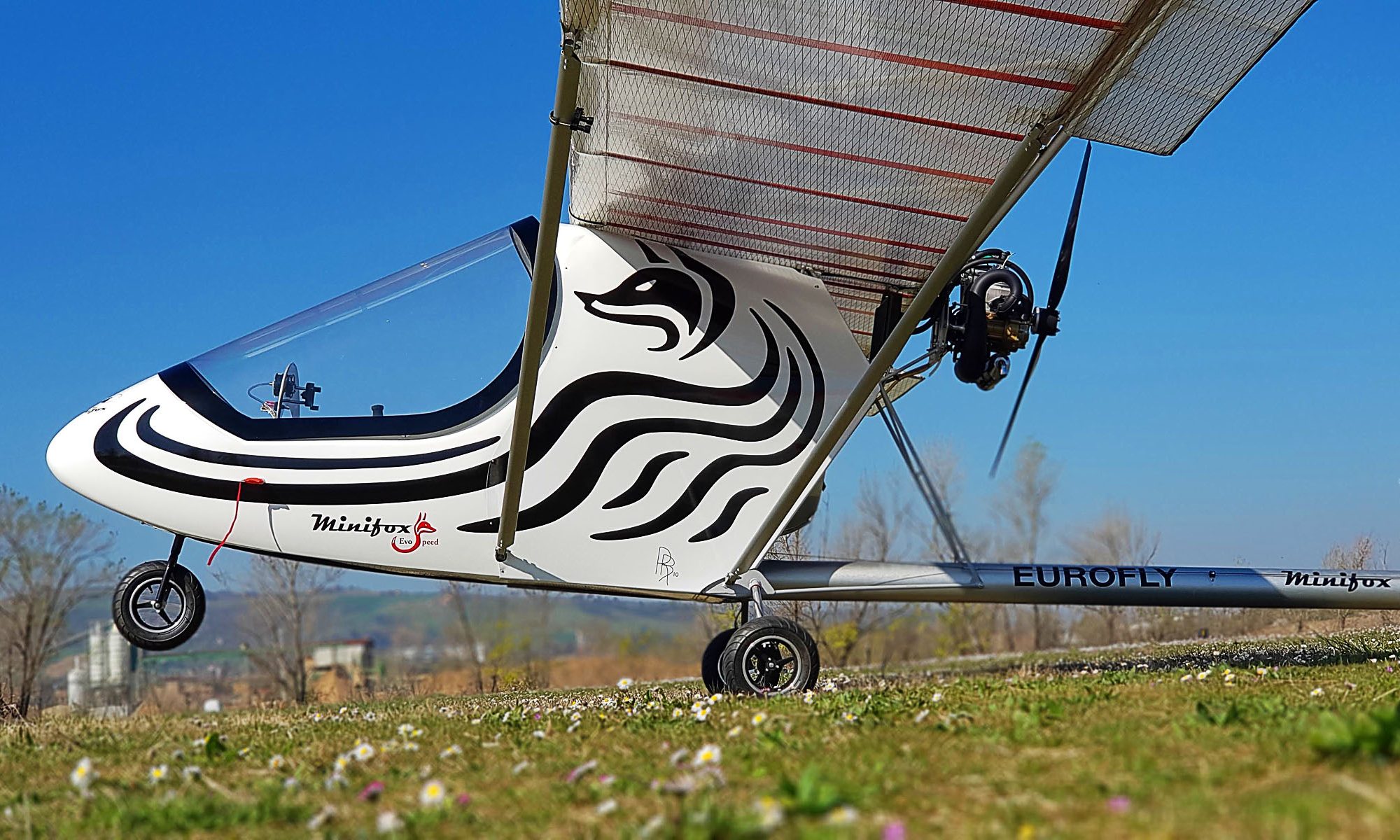
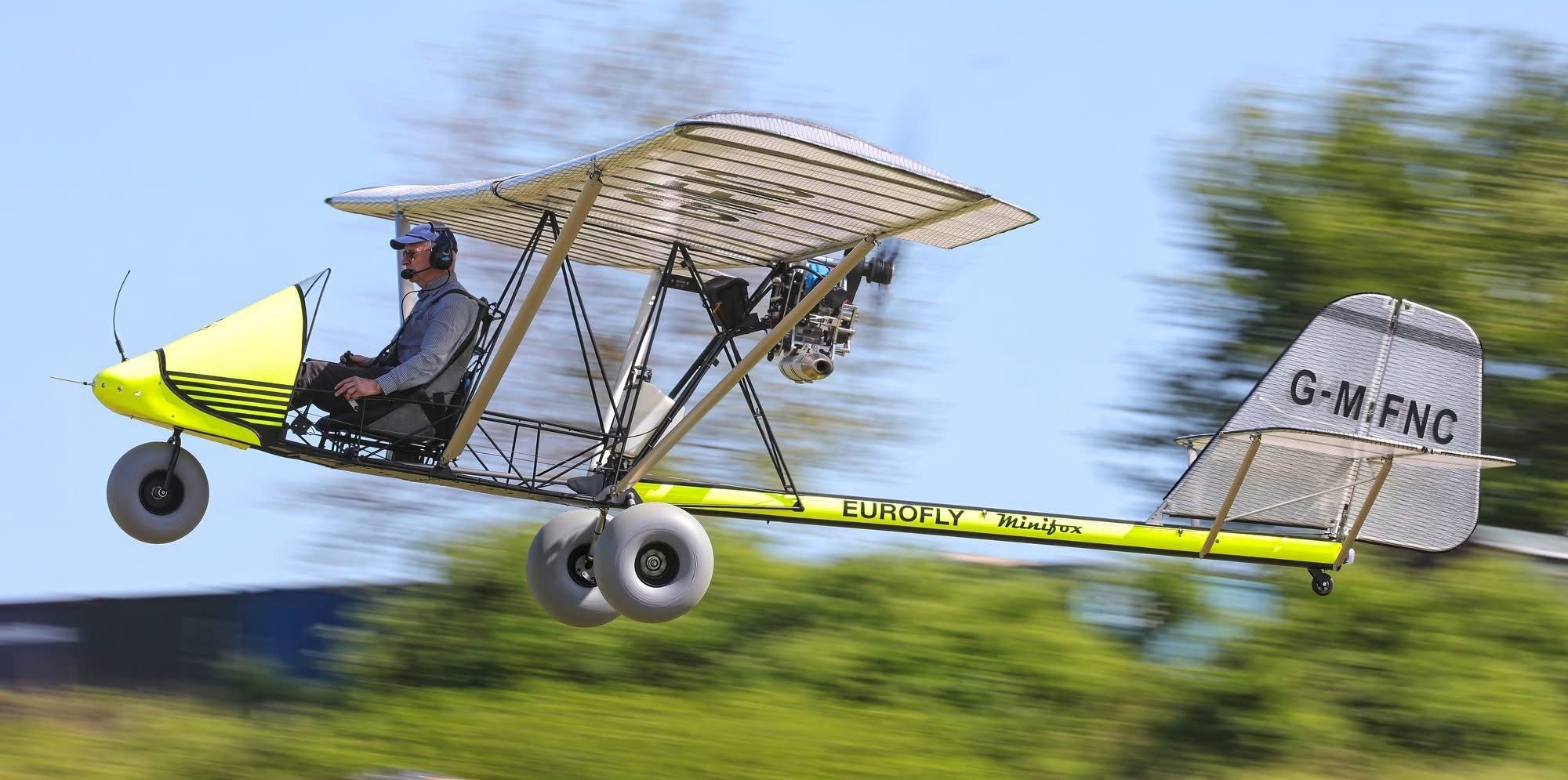
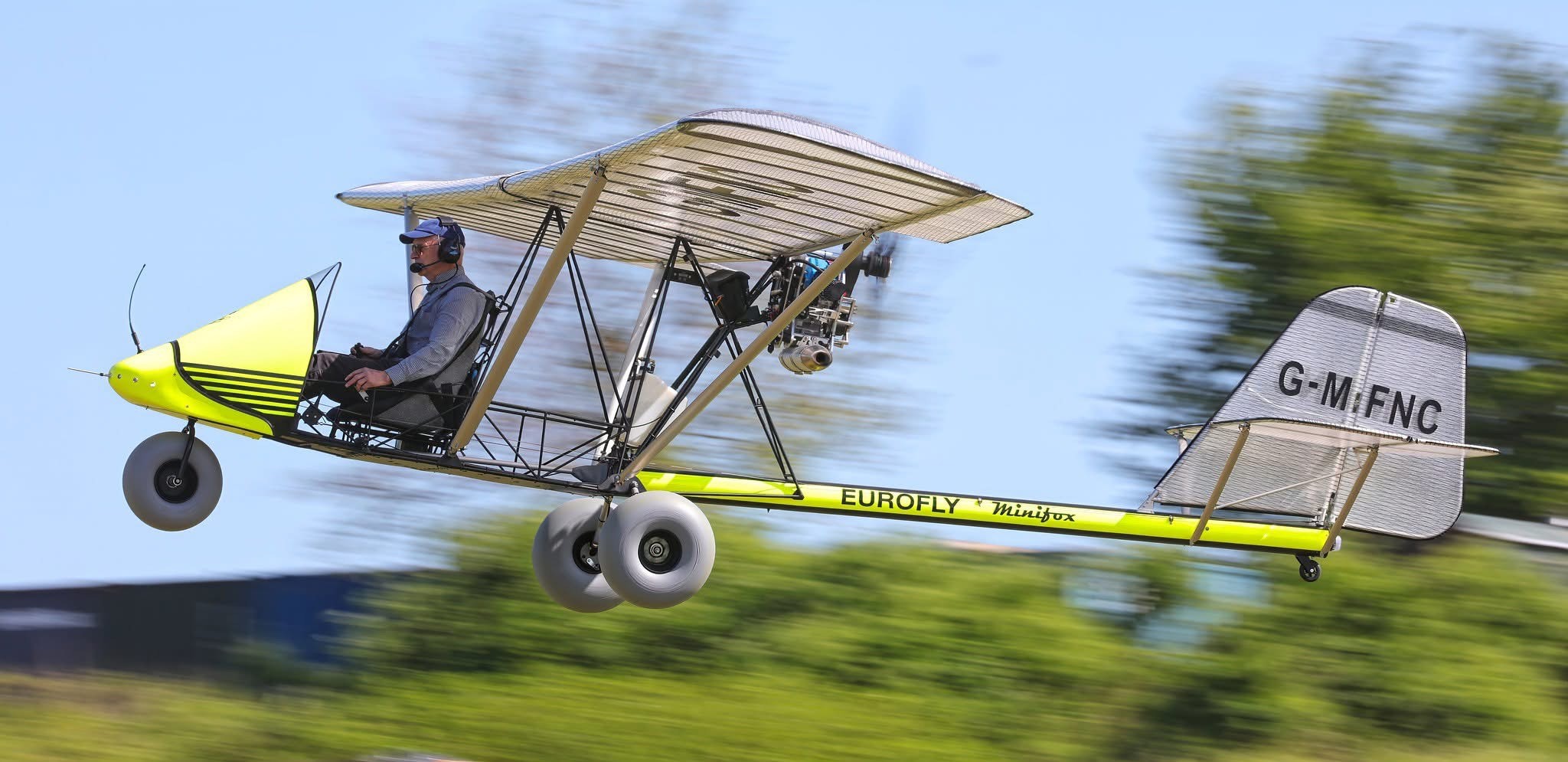
On the other hand, fixed-wing microlights, like the Minifox, are more stable. They fly like traditional planes, using ailerons and rudders. This type offers a smoother ride, ideal for beginners. With a fixed-wing microlight, you can enjoy leisurely flights, soaking in scenic views.
Which one excites you more? Perhaps the idea of soaring in a flexwing appeals, or maybe the steady glide of a fixed-wing is more your style. Either way, microlight flying has something for everyone.
Why Choose Microlight Flying?
Microlight flying is not just about the destination; it’s about the journey. It offers an accessible entry into aviation, making it a top choice for new pilots. But why should you choose microlight flying over other forms of aviation?
Firstly, it’s affordable. Microlight lessons and aircraft are generally less costly than other flying options. This makes it easier for anyone to take to the skies without breaking the bank. Plus, with fewer restrictions, you get more flying time for your investment.
Secondly, microlight flying is all about freedom. Imagine having the capability to explore new places, see the world from above, and create unforgettable memories. It’s a hobby that’s not only thrilling but also incredibly enriching.
Finally, the community aspect is a huge draw. Flying microlights connects you with a network of enthusiasts who share your passion. You’ll find a supportive group ready to share tips and experiences. So, are you ready to join this vibrant community and embrace the freedom of the skies?
Preparing for Your First Lesson
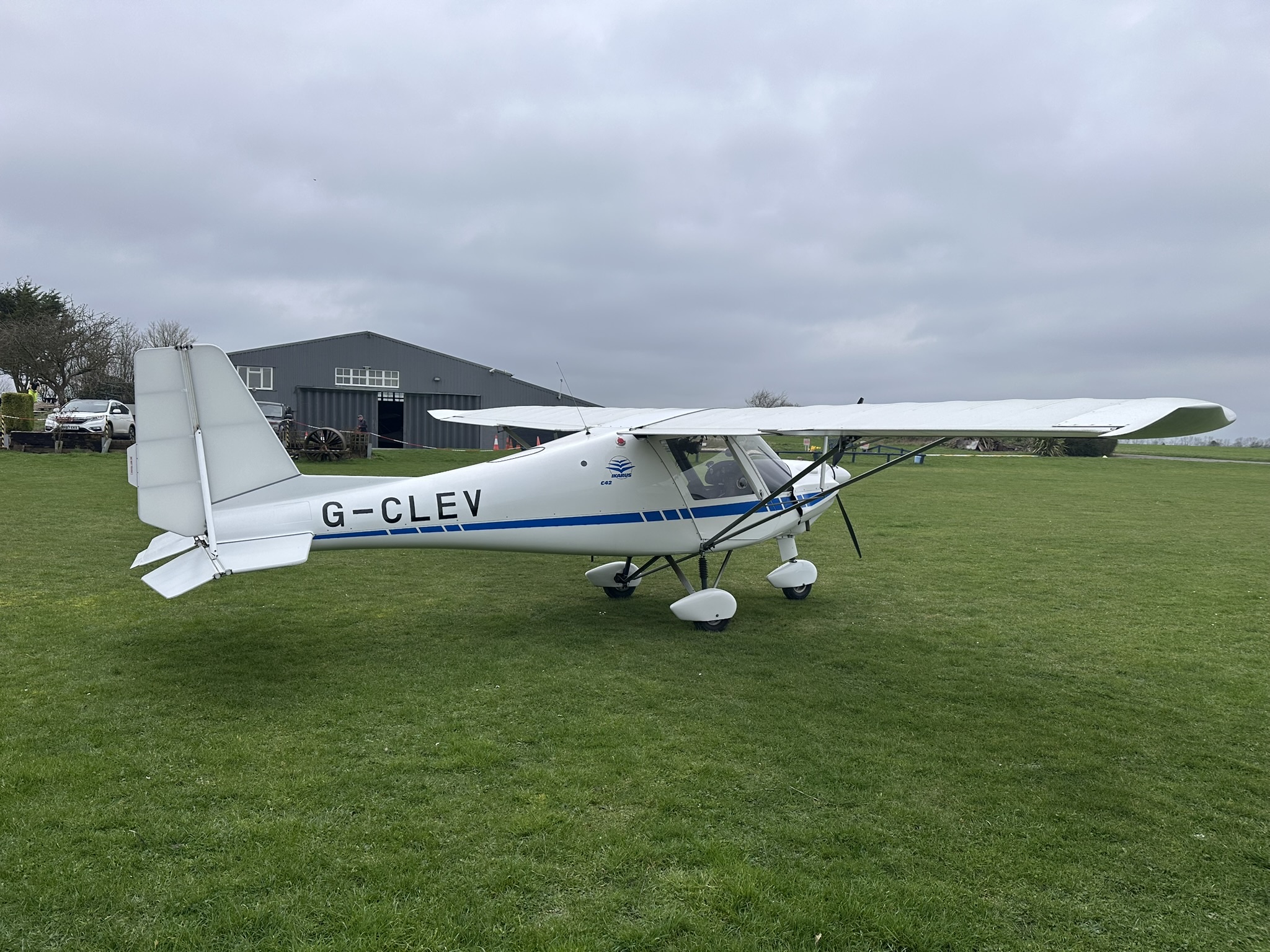
Now that you’re excited about microlight flying, let’s get you prepared for your first lesson. Knowing what to expect can make your experience smooth and enjoyable. From choosing the right gear to understanding the costs, each step is crucial in your flying journey.
What to Wear for Flying Lesson
When gearing up for your first microlight lesson, comfort is key. Dressing appropriately enhances your experience, ensuring you’re ready for any weather condition. So, what should you wear for your flying lesson?
Start with layers. The weather can change quickly at altitude, so having layers allows you to adjust for comfort. Aim for breathable fabrics that provide warmth without bulk. During colder months, a windproof jacket is essential to keep the chill at bay.
Comfortable footwear is also a must. Opt for sturdy shoes with good grip, as you’ll need them during pre-flight checks and walking on potentially uneven surfaces. Avoid sandals or open-toed shoes to keep your feet protected.
Lastly, don’t forget your sunglasses. They’re not just for style; they help reduce glare, enhancing visibility during your flight. With the right attire, you’ll be set to take to the skies with confidence and ease.
Understanding the Costs
Before you dive into microlight flying, understanding the associated costs is essential. This helps in planning your flying journey effectively. So, what should you expect financially when venturing into this exciting hobby?
Firstly, the cost of microlight lessons varies based on location and the type of aircraft. Typically, an hour of instruction ranges from £100 to £200. This often includes aircraft hire, fuel, and instructor fees. However, package deals can offer savings for those committed to multiple lessons.
Another cost to consider is insurance. Although not mandatory, it’s advisable for peace of mind. This covers potential liabilities and protects you during training.
Lastly, if you decide to own a microlight, costs will include maintenance, storage, and permits. Despite these expenses, microlight flying remains one of the most cost-effective ways to get airborne. Ready to budget for your sky-high adventure?
Choosing the Right Microlight School UK
Selecting the right microlight school is crucial for your training success. It can make the difference between a good experience and a great one. But how do you choose the best one among the many available in the UK?
Start by researching schools with excellent reputations. Look for reviews or testimonials from past students. This can provide insights into the quality of training and the school’s environment.
Proximity matters, too. Finding a school nearby makes attending lessons convenient. It also allows for more frequent practice, which is key to building your skills.
Finally, consider the instructors. Experienced, friendly instructors can enhance your learning, making it enjoyable and effective. Visiting the school for an introductory session can help you get a feel for the place and meet the instructors.
In your search, you might stumble upon this Facebook group where enthusiasts share tips and advice on the best schools. Ready to take the first step towards your pilot journey?
Taking Your First Flight Steps
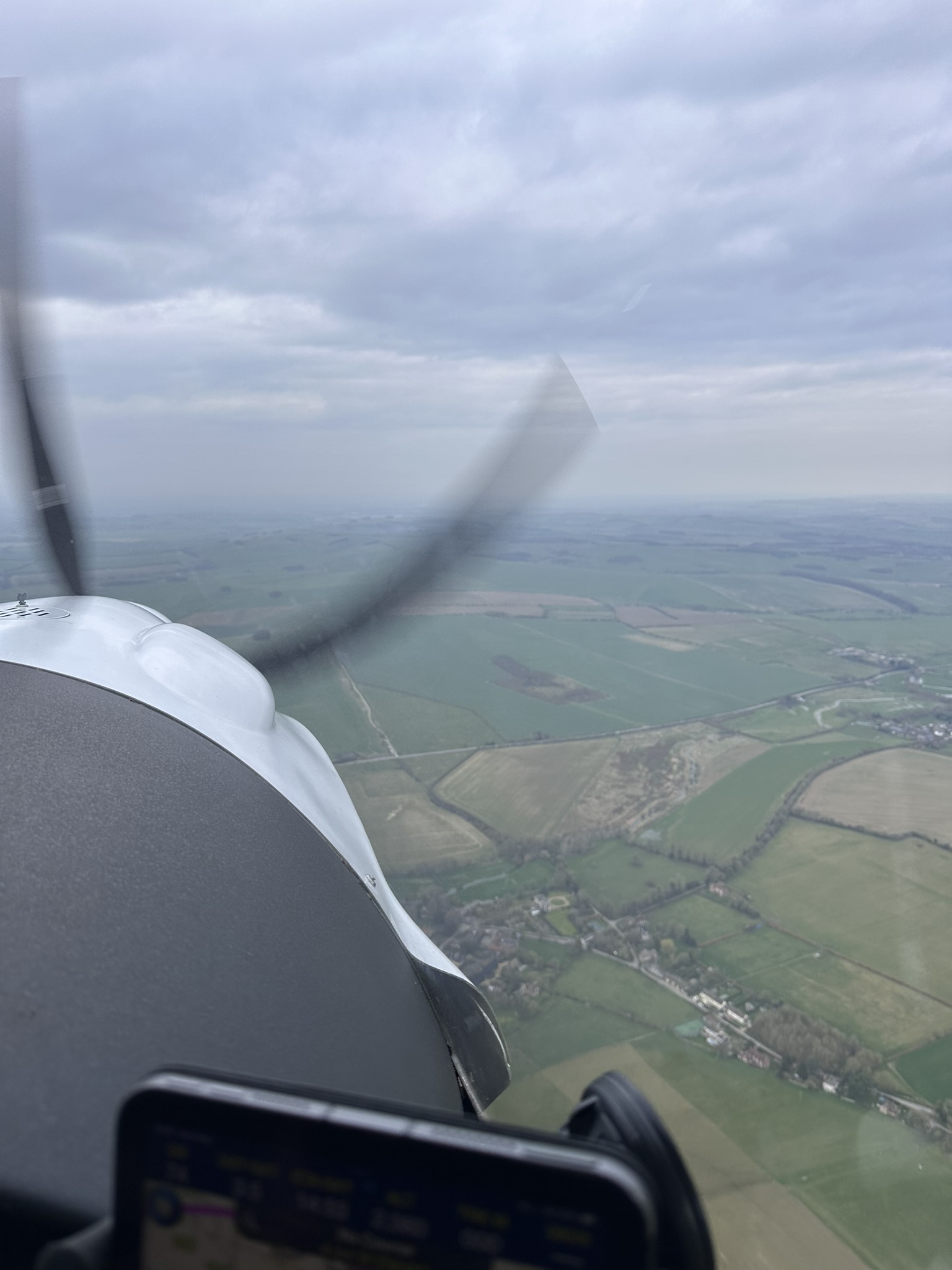
With preparation in place, it’s time to experience the thrill of your first flight. Taking those initial steps into the sky can be both exciting and nerve-wracking. Let’s explore what you can expect from your trial flying experience and beyond.
The Trial Flying Experience
Your trial flying experience is your first taste of piloting. It’s a chance to feel the controls and understand the basics of flight. So, what can you anticipate during this exhilarating experience?
Upon arrival, you’ll meet your instructor who will guide you through a pre-flight briefing. This includes safety procedures and an outline of the flight plan. It’s an opportunity to ask any questions and clarify doubts.
Once airborne, you’ll experience the sensation of flight firsthand. Your instructor will demonstrate basic maneuvers, and if you’re comfortable, you’ll get to take control. This hands-on experience is both thrilling and empowering.
After landing, there’s often a debrief where you can discuss your flight and explore further training options. Ready to embark on your trial flying experience and soar above the clouds?
Beginner Pilot Training Highlights
Embarking on beginner pilot training is the start of an incredible journey. It’s where you’ll build the foundation for your flying skills. So, what highlights can you expect during your training?
Training begins with ground instruction. You’ll learn about aircraft systems, meteorology, and basic navigation. This knowledge equips you with the understanding needed for safe flying.
Flight lessons are the core of your training. Under the watchful eye of your instructor, you’ll practice in-flight maneuvers, take-offs and eventually landings. Each lesson builds confidence and skills, bringing you closer to solo flight.
As you progress, you’ll undertake cross-country flights, enhancing your navigation skills. This is a major milestone, marking your ability to fly longer distances. With each lesson, you move one step closer to becoming a proficient pilot.
How to Start Flying and Beyond ✈️
Starting your flying journey with microlight lessons is just the beginning. Once you’ve mastered the basics, a world of possibilities opens up. So, how do you continue to grow as a pilot?
Firstly, consider obtaining a microlight pilot license in the UK. This involves completing a set number of flying hours and passing a practical test. With a license, you can fly independently and even explore advanced training.
Additionally, joining a microlight flying club can enhance your experience. Clubs offer resources, community support, and opportunities for group flying adventures. They’re great for meeting like-minded enthusiasts and sharing your passion.
Finally, keep learning. Attend workshops, read aviation literature, or participate in flying events. The more you immerse yourself, the richer your flying journey becomes. As we tell all our students – once you get you license, that’s when the learning really begins.
Are you ready to take your passion for flying to new heights?
