
What if your Sunday morning didn’t involve the usual supermarket run or a marathon sofa session, but a 2,000-foot view of the rolling Wiltshire countryside? It’s a common assumption that taking to the skies is reserved for the elite or those with an endless bank balance. You likely feel that your busy work-life schedule leaves no room for such a daring pursuit. But here’s the secret: becoming a weekend pilot UK has never been more accessible, inclusive, or genuinely exciting.
We understand that the world of aviation often feels like a maze of confusing licences and technical jargon. That’s why we’ve created this guide to help you swap the ground for the clouds. You’ll discover how microlighting offers a clear, cost-effective path to the cockpit without demanding years of your life. We’re going to break down the different licence types, explore the incredible sense of freedom that comes with flight, and introduce you to a vibrant community of enthusiasts who are ready to help you earn your wings. It’s time to stop watching from the ground and start leading from the pilot’s seat.
Key Takeaways
- Discover why microlighting is the ultimate accessible adventure for the modern weekend pilot UK, moving far beyond the old elite stereotypes.
- Learn about the NPPL and why its straightforward medical requirements make the cockpit more reachable than you ever imagined.
- Find out how to kickstart your journey with a hands-on trial flight that puts you in control from the very first moment.
- See how flexible training and local ground school allow you to master the skies at a pace that suits your busy lifestyle.
- Explore the thrill of flying from Yatesbury, where stunning Wiltshire views and a welcoming community of aviators await.
The Modern Weekend Pilot: More Than Just a Hobby
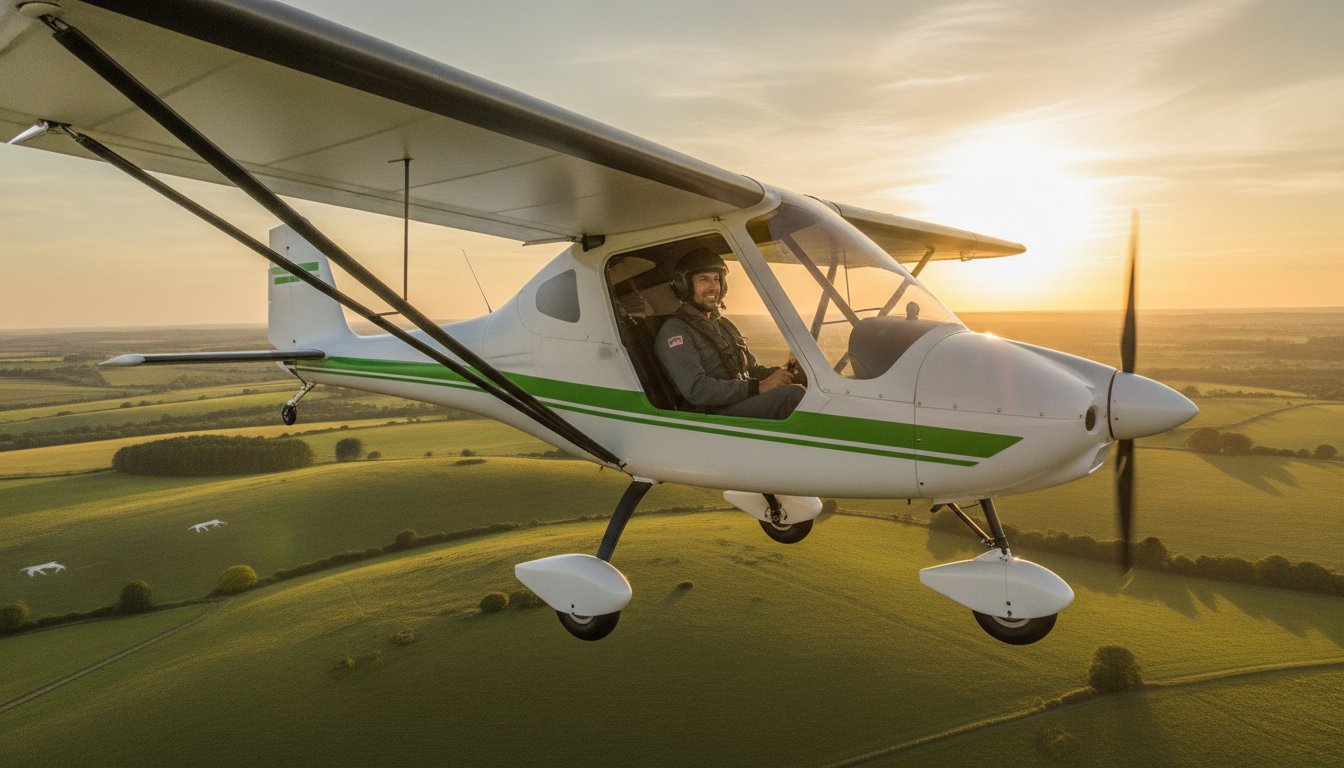
Imagine the world from two thousand feet up on a crisp Saturday morning. The Wiltshire Downs stretch out beneath you like a green velvet patchwork, and the air is so clear you can see for miles. This isn’t a dream for the elite; it’s the reality for the modern weekend pilot UK. In 2026, the recreational flyer is someone who chooses the cockpit over the couch, seeking a sense of freedom that ground-level life simply can’t provide. It’s no longer about owning a private jet. It’s about the pure, unadulterated joy of the journey itself.
The old stereotype of aviation being a stuffy, exclusive club is well and truly over. We’ve seen a massive shift toward “accessible adventure.” Thanks to the evolution of microlight aviation, taking to the skies is now a practical hobby for people from all walks of life. These aircraft are light, agile, and cost-effective; they make the dream of flight achievable for anyone with a bit of spirit and a spare afternoon. It’s about autonomy. It’s about the thrill of the take-off. Most importantly, it’s about the friendly, inclusive community you find waiting at the airfield.
There’s a significant mental health boost to this hobby, too. Pilots often describe a feeling of “total presence” whilst in the air. When you’re focusing on your heading and the wind, your ground-level worries don’t just feel smaller; they disappear entirely. It’s a powerful way to decompress after a hectic working week, offering a perspective on life that few other activities can match. You leave your stress on the runway and find clarity amongst the clouds, a sense of restoration that can be further enhanced at home by addressing environmental health with Radiation-Free Living.
Why Recreational Flying is Trending in the UK
Lightweight aircraft technology has reached a point where flight is smoother and safer than ever before. We’re seeing more people choose hands-on experiences over passive entertainment like streaming or gaming. There’s a growing community of sport flyers across the South West who value the skill and focus required to learn to fly. It’s a vibrant, welcoming world where the only thing that matters is your shared love for the sky. You aren’t just picking up a new skill; you’re joining a movement of innovators who believe the sky belongs to everyone.
Microlights vs. Traditional Aeroplanes: Choosing Your Path
If you’re looking to become a weekend pilot UK, you’ve likely encountered two main paths: the traditional Private Pilot’s Licence (PPL) and the National Private Pilot’s Licence (NPPL) specifically for microlights. Whilst a PPL is a fantastic achievement, it often requires a minimum of 45 flying hours and a more rigorous training schedule. For the recreational flyer, the NPPL is a breath of fresh air. It’s a streamlined, focused route that allows you to reach the cockpit sooner, requiring a minimum of just 25 hours of flight time. It’s about getting you into the air safely and efficiently so you can start enjoying your weekends from a new perspective.
This focus on streamlined, accessible qualifications is a growing trend across many recreational pursuits; for those who enjoy nautical adventures, the process to stuurbrevet halen België offers a similarly structured path to gaining maritime certification.
The “feel” of the flight is where the real magic happens. Flying a traditional four-seater aeroplane can sometimes feel a bit like driving a sturdy, reliable SUV. It’s stable, but it can be a little detached. A microlight, by contrast, is the sports car of the sky. These aircraft are incredibly agile and responsive. Because they are lighter, you feel a much closer connection to the air around you. It’s a tactile, “seat-of-the-pants” experience that makes every turn and climb feel genuinely exhilarating. You aren’t just a passenger; you’re part of the machine.
One of the most reassuring aspects of microlighting is the accessibility of the medical requirements. For many traditional licences, you need to pass a Class 2 medical exam with a specialist aviation doctor. With an NPPL, the process is far more inclusive. Generally, if you are medically fit to drive a car, you are fit to fly a microlight. A simple pilot medical declaration is often all that’s required to begin your journey, removing one of the biggest perceived barriers to entry in aviation.
Breaking Down the Barriers to Entry
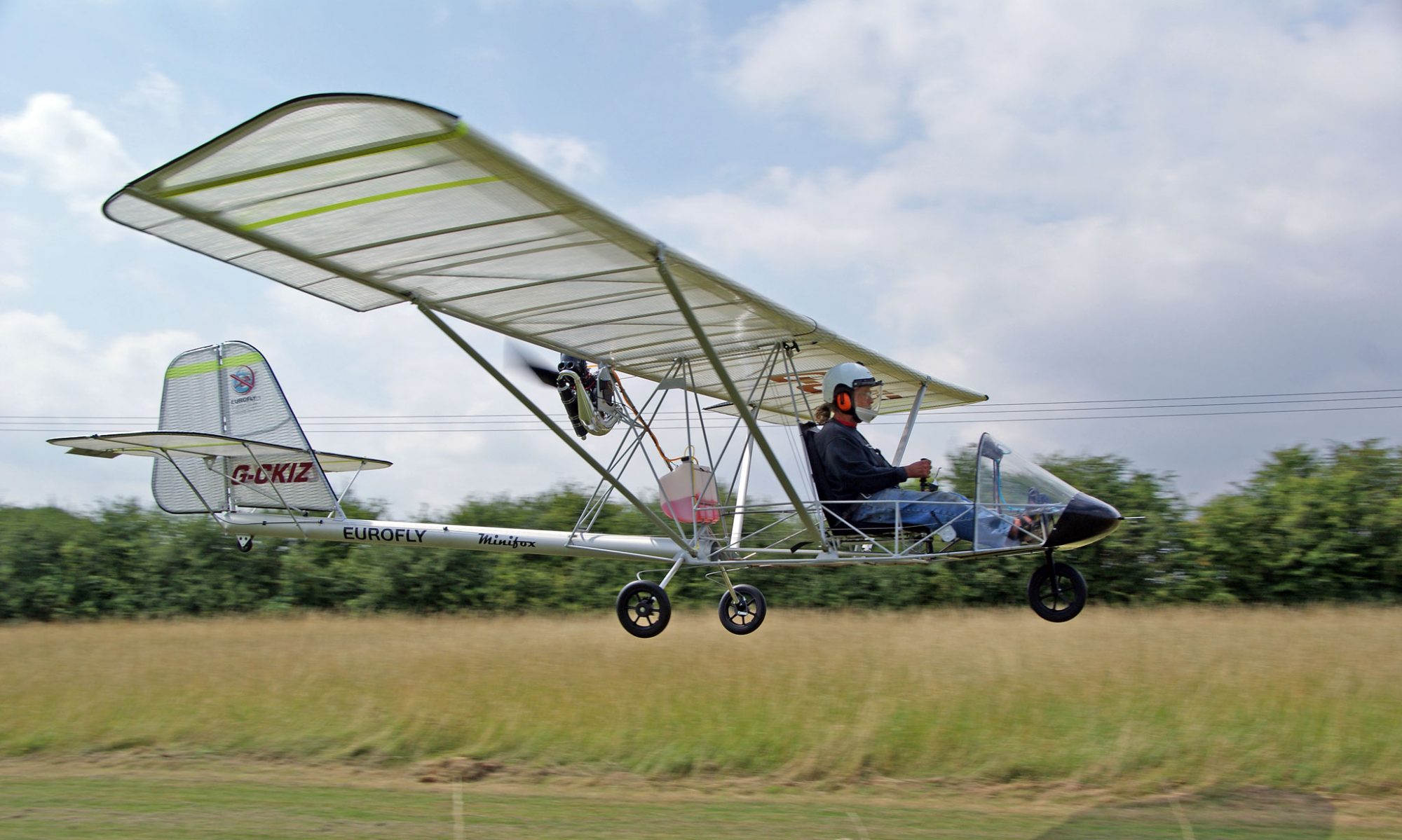
Choosing your aircraft style is the next exciting step. You can opt for a “three-axis” microlight, which looks and handles like a conventional aeroplane with a closed cockpit and standard controls. Alternatively, you might prefer a “flexwing” aircraft, which uses a weight-shift system and offers an open-air, wind-in-your-face experience. Both are fantastic ways to learn to fly and join a community that prioritises fun and freedom over rigid formality. Whether you want the comfort of a cabin or the raw thrill of the elements, there’s a microlight that fits your personal style perfectly.
How to Start Your Aviation Journey Around a Busy Schedule
How do you fit a pilot’s licence into a 9-to-5 life? You don’t need a sabbatical or a lottery win to earn your wings. Most successful flyers are busy professionals who chip away at their training on Saturdays and Sundays. The first step is simple: book an introductory experience flight. This isn’t just a sightseeing tour; it’s your first real lesson. You’ll sit in the pilot’s seat and feel exactly how the aircraft responds to your touch. It’s the moment the dream becomes a tangible goal.
Once you’re hooked, look for a school that offers “pay-as-you-fly” training. This flexibility is vital for any weekend pilot UK. It means you aren’t tied to huge upfront costs or rigid, unforgiving timetables. You can book lessons around your work commitments and family life, making progress at a pace that feels comfortable. It makes the path to the cockpit feel like a natural part of your routine rather than a stressful second job.
Whilst you’re building your hours, you’ll also need to tackle the theory. A structured microlight ground school makes this process far less daunting. Instead of staring at dry textbooks alone, you can learn about meteorology, navigation, and air law in a way that actually makes sense. Consistency is your best friend here. Even if it’s just one lesson every fortnight, regular time in the cockpit helps build the muscle memory you need to become a confident, safe flyer.
The Importance of a Hands-On Approach
Don’t settle for a school where you’re just a passive observer for the first ten hours. You should choose an environment where you can take control from day one. This hands-on philosophy builds confidence rapidly and keeps the excitement levels high. Your instructor should be more than just a teacher; they’re a mentor who understands your specific goals. They’ll help you navigate the complexities of weather patterns and flight planning without the stress, turning every challenge into a rewarding milestone.
Taking Flight in Wiltshire: Why Yatesbury is the Perfect Launchpad
There is something truly special about lifting off from Yatesbury. As you bank the aircraft, the ancient landscape of Wiltshire reveals itself in a way that ground-dwellers never get to see. You’ll find yourself soaring over the iconic White Horse carved into the hillside and looking down upon the mysterious mound of Silbury Hill. It’s a sensory experience that turns a standard lesson into a genuine adventure. This isn’t just a place to train; it’s a place to find inspiration every time you leave the runway.
For any aspiring weekend pilot UK, location and accessibility are everything. We’ve become the favourite choice for flyers from Bristol, Swindon, and Reading because we offer a perfect balance of scenic beauty and practical convenience. You don’t need to trek into the congested airspace of West London to find high-quality instruction. Instead, you can enjoy the open skies of the South West, where the air is clearer and the community is far more relaxed. When you arrive for your first lesson at Fun Flying Aviation Ltd, expect a warm welcome, a hot brew, and a seat in the cockpit before you’ve even finished your first biscuit.
Joining our community means more than just learning to fly. It’s about meeting like-minded enthusiasts who share your passion for the clouds. Whether you’re swapping stories in the clubhouse or planning a cross-country trip with a fellow student, the camaraderie here is infectious. You aren’t just a customer; you’re part of a local movement of aviators who believe that the sky should be accessible to everyone with a sense of wonder.
The Fun Flying Aviation Ltd Experience
We pride ourselves on our “hands-on from day one” philosophy. We know you’re here because you want to fly, not just watch, so we ensure you’re involved in the controls from your very first trial flight. Our instructors are expert enthusiasts who bring a high-energy, encouraging vibe to every session. We offer flexible scheduling that respects your work-life balance, making it easy to organise your training around your existing commitments.
Our support doesn’t stop once you’ve earned your wings, either. We’re here for the long haul, offering license revalidations and conversion training to keep you sharp and confident. Whether you’re a complete beginner or a seasoned flyer looking to transition into microlighting, Fun Flying Aviation Ltd provides a methodical yet breezy path to your goals. The cockpit is waiting. It’s time to stop dreaming about the view and start living it.
Your Adventure Above the Wiltshire Downs Awaits
The dream of flight isn’t a distant fantasy; it’s a practical, exhilarating reality waiting for you at the airfield. You’ve seen how microlighting strips away the barriers of traditional aviation, offering a faster and more affordable route to the cockpit. By choosing the path of a weekend pilot UK, you aren’t just gaining a hobby. You’re gaining a new perspective on the world and a community that celebrates every take-off.
Our professional instructors bring years of expertise to every session, ensuring you feel supported whilst you master the controls. You’ll experience the thrill of hands-on training from your very first lesson, all whilst soaring over the stunning Wiltshire flight paths that make Yatesbury so iconic. It’s time to stop looking up and start looking down.
The sky is wide open and waiting for you. We can’t wait to see you on the runway and help you turn that Sunday sofa session into a Saturday morning adventure. Your wings are ready when you are.
Frequently Asked Questions
Do I need a special medical certificate to become a weekend pilot in the UK?
You don’t need a complex or expensive commercial medical to start your journey as a weekend pilot UK. For the National Private Pilot’s Licence (NPPL), a simple Pilot Medical Declaration is usually all that’s required. If you’re healthy enough to hold a standard UK driving licence, you’re likely fit to fly a microlight. It’s an inclusive approach that makes the cockpit accessible to almost everyone without the need for specialist aviation doctors.
How much does it typically cost to get a microlight pilot licence?
Microlighting is widely recognised as the most cost-effective way to take to the skies in the UK. Whilst total costs vary because every student learns at a different pace, the hourly rates for training and aircraft operation are significantly lower than those for traditional aeroplanes. Because the NPPL requires fewer minimum hours than a standard PPL, you’ll find the path to your licence is much lighter on your wallet while providing the same incredible thrill of flight.
Can I learn to fly if I only have time on Saturdays and Sundays?
Absolutely, you can learn to fly exclusively on your days off. Most of our students are busy professionals who can only commit to lessons on Saturdays or Sundays. We offer flexible scheduling specifically designed to help the modern weekend pilot UK progress at a steady pace. Consistency is helpful for building your skills, but your training is always tailored to fit around your existing work and family commitments. For those who want to ensure their four-legged family members are well-behaved while they are busy at the airfield, you can visit I Wuff You Dog Training to find out more about their professional canine behaviour consulting.
What is the minimum age to start flight training for a microlight?
You can begin your flight training from as young as 14 years old. Whilst you must be 16 to fly solo and 17 to hold a full licence, starting early is a fantastic way to build confidence and coordination. There is no upper age limit either. As long as you meet the basic medical requirements and have a passion for adventure, you’re never too old to take the controls and join the aviation community.
Is microlight flying safe compared to traditional light aircraft?
Microlights are incredibly safe and are built to very strict modern engineering standards in the UK. Because they are so light, they have much lower stalling speeds than traditional aircraft, which provides a significant safety margin during take-off and landing. Many modern microlights even come equipped with ballistic recovery systems, which are essentially parachutes for the entire aeroplane, giving you extra peace of mind whilst you’re in the air.