Flexible Flying Lessons UK: How to Earn Your Wings Around a Busy Lifestyle

Flexible Flying Lessons UK: How to Earn Your Wings Around a Busy Lifestyle

What if you could swap the grey monotony of the morning commute for a gold-tinted sunrise over the Wiltshire Downs, all without quitting your day job? It sounds like a dream, but for many, the hurdle isn’t the height of the clouds; it’s the rigidity of the classroom. Most aspiring pilots feel stuck between a passion for flight and the reality of a 9-to-5. Finding flexible flying lessons UK wide often feels like a mission in itself, especially when traditional academies demand huge upfront costs and inflexible schedules that simply don’t account for family life.

We completely understand that life doesn’t stop just because you want to reach the cockpit. You shouldn’t have to choose between your career and your wings. This article will show you exactly how to balance pilot training with your existing commitments through the UK’s most adaptable microlight programmes. We will explore the “pay-as-you-fly” financial model, the streamlined NPPL route that gets you airborne faster, and how to choose a local school that works with your calendar rather than against it. It is time to stop waiting for the perfect moment and start your journey to the skies on your own terms.

Key Takeaways

  • Discover how to master the skies without pausing your career through modular, pay-as-you-go training that fits your monthly budget.
  • Learn why the NPPL is the ultimate choice for busy professionals, offering a legal route to solo flight in significantly less time than a traditional licence.
  • Identify the best ways to find flexible flying lessons UK based that provide six-day-a-week access and adapt to your personal learning pace.
  • Understand the importance of choosing a local flight centre to minimise travel time and ensure you can make the most of every clear-sky window.
  • Gain the confidence to book your first trial flight by understanding the straightforward medical declarations and inclusive entry requirements.

Why Flexible Flying Lessons are the Future of UK Aviation

The sky used to feel like a gated community, open only to those with deep pockets or the ability to disappear into a full-time flight academy for a year. That era is ending. Today, we define flexible flying as training that adapts to your life, not the other way around. It is a modular approach where you are the pilot in command of your schedule. This shift from rigid, career-focused academies to recreational, accessible learning is transforming the UK’s General Aviation sector. Whether you are a busy parent in Swindon or a professional in Bristol, the opportunity to fly is finally becoming inclusive.

Imagine the feeling of waking up on a Saturday morning, checking the weather, and knowing that your training progress waits for you. It turns a distant “someday” dream into a tangible, “this weekend” reality. By choosing flexible flying lessons UK based students can maintain their careers whilst slowly but surely earning their wings. It is no longer about fitting your life into a flight school’s timetable; it is about finding a programme that respects your time and your ambitions.

Breaking the “Full-Time Student” Myth

You don’t need to quit your job to become a pilot. In fact, the rise of the “weekend warrior” is one of the most exciting developments in British aviation. Modular training allows you to tackle your licence in bite-sized pieces. This approach actually helps with knowledge retention. Instead of cramming complex aerodynamics into a few weeks, you digest the information over months, allowing it to truly sink in. It prevents the burnout often associated with intensive courses, keeping the joy of flight front and centre. You progress when you are ready, ensuring that every hour in the cockpit is productive and, most importantly, fun.

The Role of Microlighting in Accessible Aviation

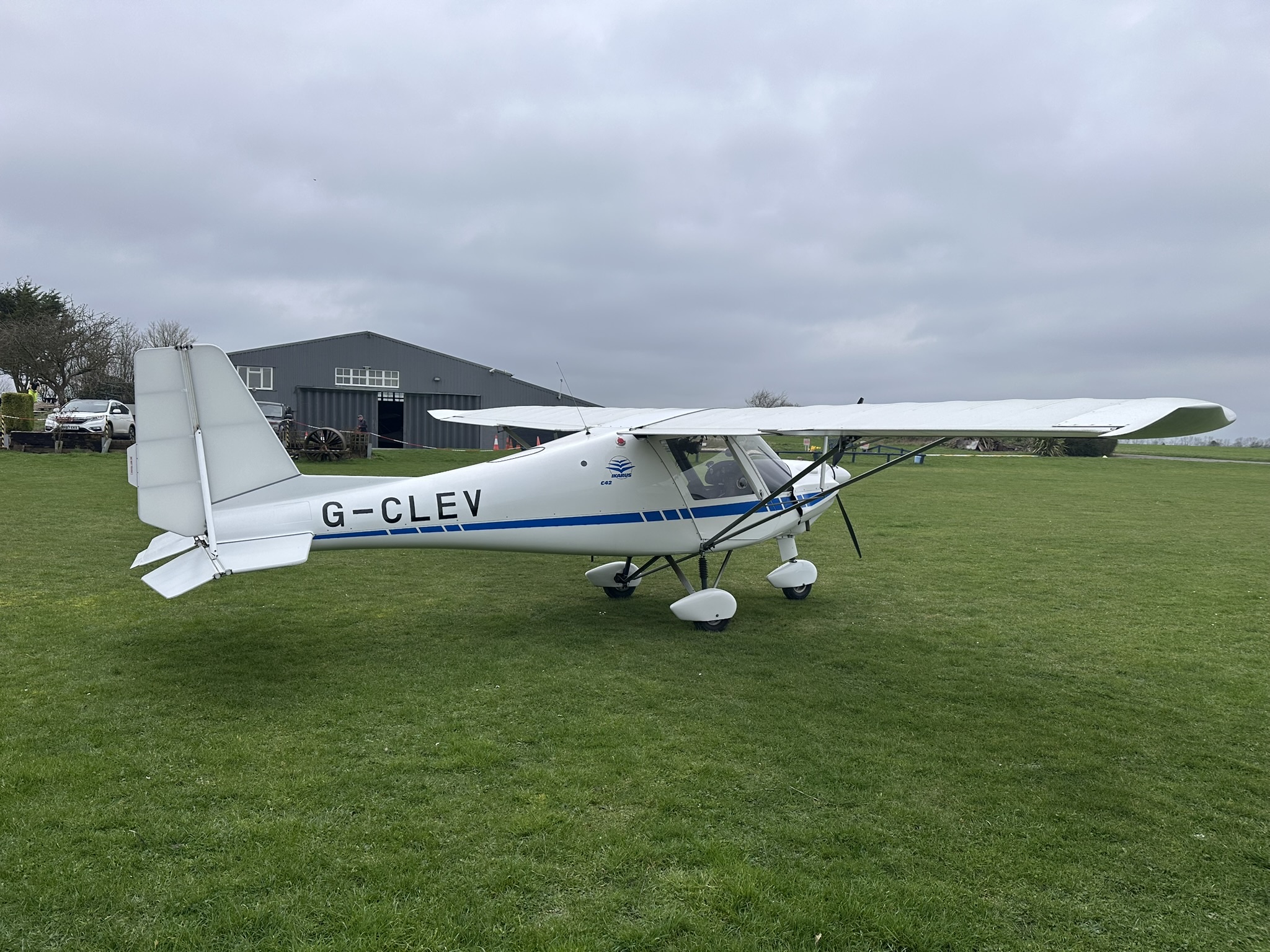
Microlighting is the undisputed champion of flexibility. Because these aircraft are lighter and have different regulatory requirements, the path to a licence is much smoother. For many, the National Private Pilot Licence (NPPL) is the secret weapon. It is a streamlined alternative to the traditional PPL, requiring fewer hours and offering a more straightforward medical process. You can find a detailed UK pilot licensing overview on Wikipedia to see how these licences compare in the current regulatory landscape.

Because microlights are more cost-effective to operate, you can often afford to fly more frequently. Shorter, more regular lessons fit perfectly into a lunch break or a quiet Tuesday afternoon. This accessibility is why flexible flying lessons UK wide are gravitating toward the microlight category. It removes the obstacles and focuses entirely on the freedom of the experience. It is aviation simplified, making the dream of flight achievable for everyone.

Understanding the Path: How Part-Time Pilot Training Works

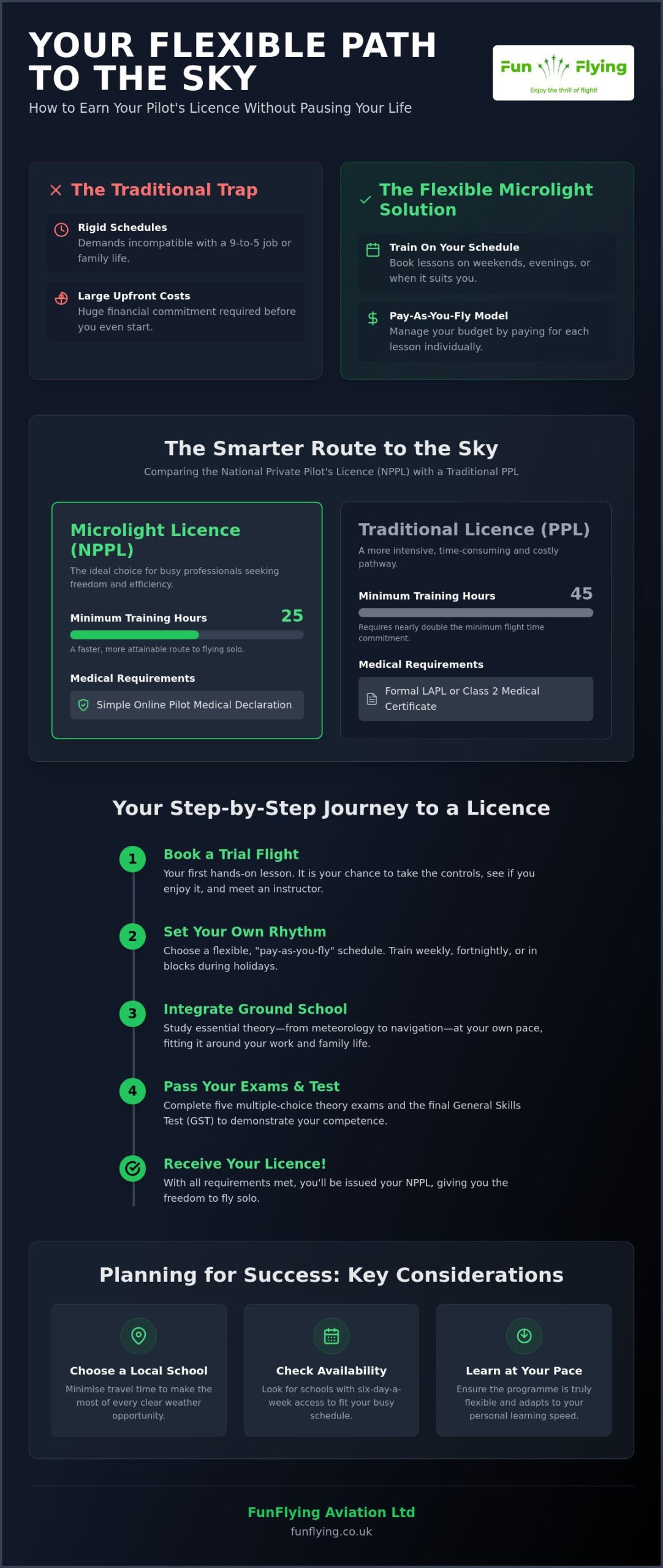
Earning your wings isn’t a sprint; it’s a journey that you control. When you look for flexible flying lessons UK schools offer various routes, but the most successful students follow a clear, manageable path. It starts with a simple trial flight. This isn’t just a sightseeing trip. It’s your first real lesson and a chance to see if the instructor’s teaching style clicks with you. If you feel that spark of excitement, you move to establishing a rhythm. Some students prefer a lesson every fortnight to keep costs steady, whilst others choose intensive blocks during annual leave. The beauty of this modular approach is that the schedule bends to your needs.

As you build your hours, you’ll integrate ground school study into your daily life. You can review navigation charts during your evening wind-down or listen to meteorology briefings on your morning commute. Before your first solo, you’ll need to handle the medical requirements. For microlight pilots, this is often as simple as a Pilot Medical Declaration (PMD) made online, which is far less restrictive than the traditional LAPL or Class 2 medicals. Finally, once you’ve mastered the 25-hour minimum requirement and passed your five multiple-choice exams, you’ll face the General Skills Test (GST). It’s the final validation of your hard work before your licence arrives in the post.

The “Pay-as-you-Fly” Financial Model

One of the biggest barriers to aviation used to be the demand for massive upfront payments. We’ve thrown that old model out of the window. By choosing a pay-as-you-go system, you protect your finances. There’s no risk of losing a large deposit if your circumstances change, and it allows for much better monthly budgeting. You pay for the instruction you receive, making it easier to balance flight training with family commitments or mortgage payments. Schools like FunFlying prioritise this transparency, ensuring you always know exactly where your investment is going.

Ground School: Studying on Your Own Terms

Modern ground school has moved far beyond the dusty classroom. You can now access high-quality online resources that let you study at 11 pm or 6 am. Whatever works for you. While digital platforms are fantastic for the five core exams, a truly flexible school provides one-on-one support when you hit a tricky topic like flight planning. This is the essence of flexible flying lessons UK pilots now enjoy; the ability to master theory in the comfort of their own home. Balancing your theory exams alongside your practical flying ensures that what you learn in the book is immediately applied in the cockpit. If you’re ready to see how this fits your lifestyle, booking a trial flight is the perfect first step.

Comparing Flexibility: Microlight vs Traditional PPL Training

Many aspiring pilots assume a Private Pilot Licence (PPL) is the only path to the cockpit. It isn’t. If your goal is recreational freedom, the traditional PPL route can feel like a heavy burden. It requires a minimum of 45 flying hours, though the national average to reach proficiency is actually between 55 and 60 hours. Contrast this with the National Private Pilot Licence (NPPL) for microlights, which requires a minimum of just 25 hours. That is nearly half the time commitment. For those seeking flexible flying lessons UK schools provide, this 20-hour gap is the difference between earning a licence in one season or dragging the process out over several years.

The medical requirements offer another layer of flexibility. A traditional PPL necessitates a Class 2 medical certificate, which costs between £120 and £260 and requires an appointment with a specialist examiner. Microlight pilots usually only need a Pilot Medical Declaration. This is a simple self-declaration of fitness made on the CAA website. It is free, instant, and removes the administrative hurdle that often delays training. Smaller, specialised schools also tend to have better aircraft availability than large commercial academies. You aren’t competing with hundreds of full-time students for a booking slot, meaning you can actually fly when the weather is perfect.

Which Licence Suits Your Schedule?

The NPPL is the smarter choice for anyone with a busy professional life. Because the syllabus is more concise, you reach solo status faster. This builds confidence early on. A part-time student flying once a fortnight on a 25-hour syllabus maintains much better momentum than one on a 45-hour course. You spend less time “re-learning” skills from the previous lesson. If your circumstances change in the future, you can convert your NPPL to other aircraft categories. It is a modular, future-proof way to start flying without the massive upfront commitment of traditional aviation.

The Freedom of SSDR and Nanolights

We are bold advocates for the sub-70kg category, known as Single Seat De-Regulated (SSDR) aircraft or nanolights. These represent the absolute pinnacle of low-regulation aviation. Because they are exempt from many of the rigid maintenance schedules that govern larger planes, they are incredibly reliable and ready to go at a moment’s notice. At FunFlying, we specialise in these innovative aircraft because they align perfectly with the modern need for autonomy. They allow for “pop-up” flying from local fields, offering a level of flexible flying lessons UK pilots can’t find elsewhere. It is about stripping away the bureaucracy and focusing on the pure joy of being in the air.
Flexible Flying Lessons UK: How to Earn Your Wings Around a Busy Lifestyle

Planning Your Journey: Essential Considerations for Busy Students

Success in the cockpit starts long before you reach the airfield. When searching for flexible flying lessons UK schools provide, your first priority should be the commute. We recommend choosing a training base within a 45-minute drive of your home in Swindon, Bristol, or Reading. If the journey is too long, it becomes another chore on your to-do list rather than an escape. You also need an instructor who acts as a dedicated mentor. They must understand that your progress might happen in bursts. A good mentor adapts their teaching to your specific “rhythm,” ensuring you never feel pressured to move faster than your lifestyle allows.

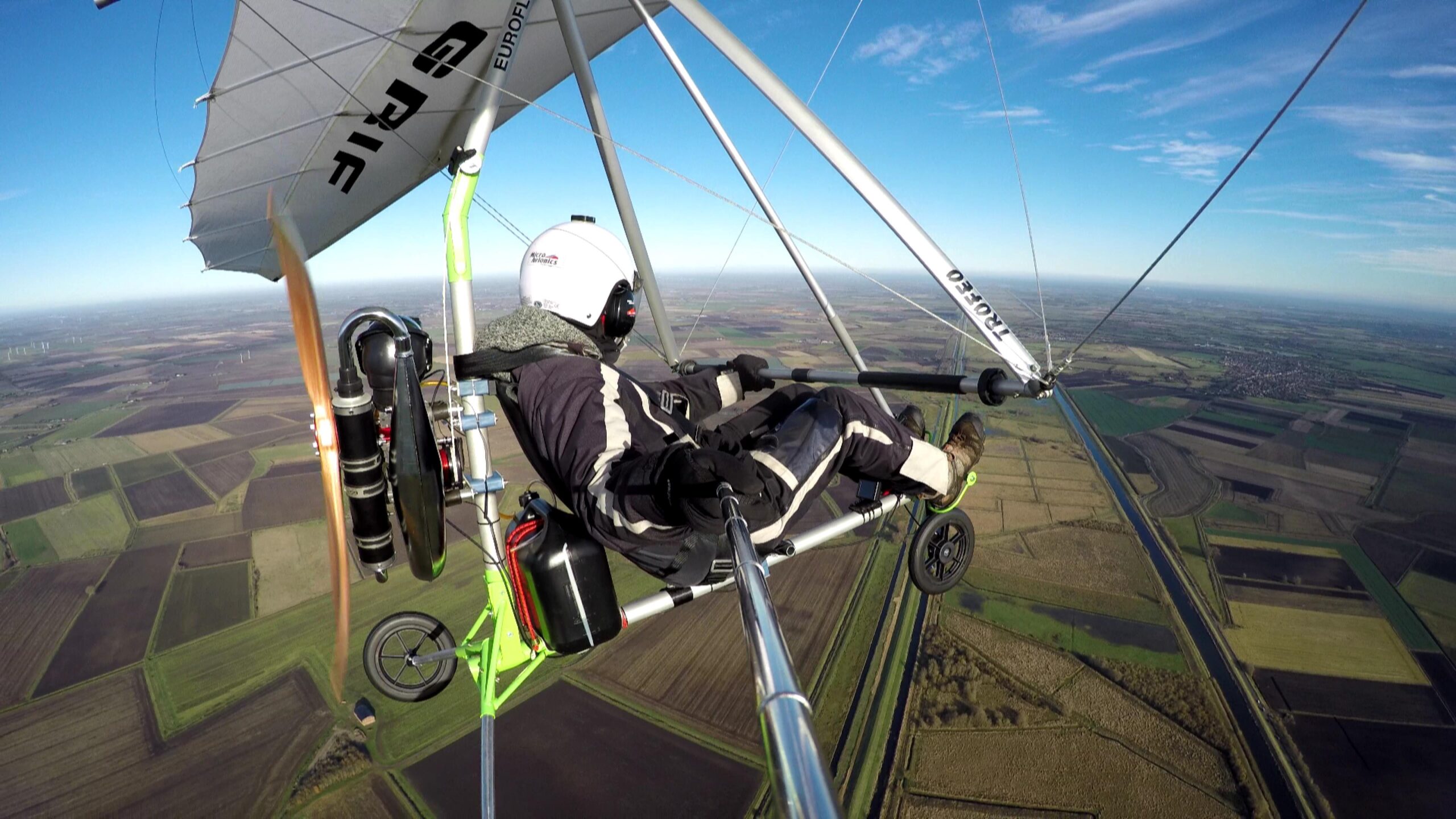
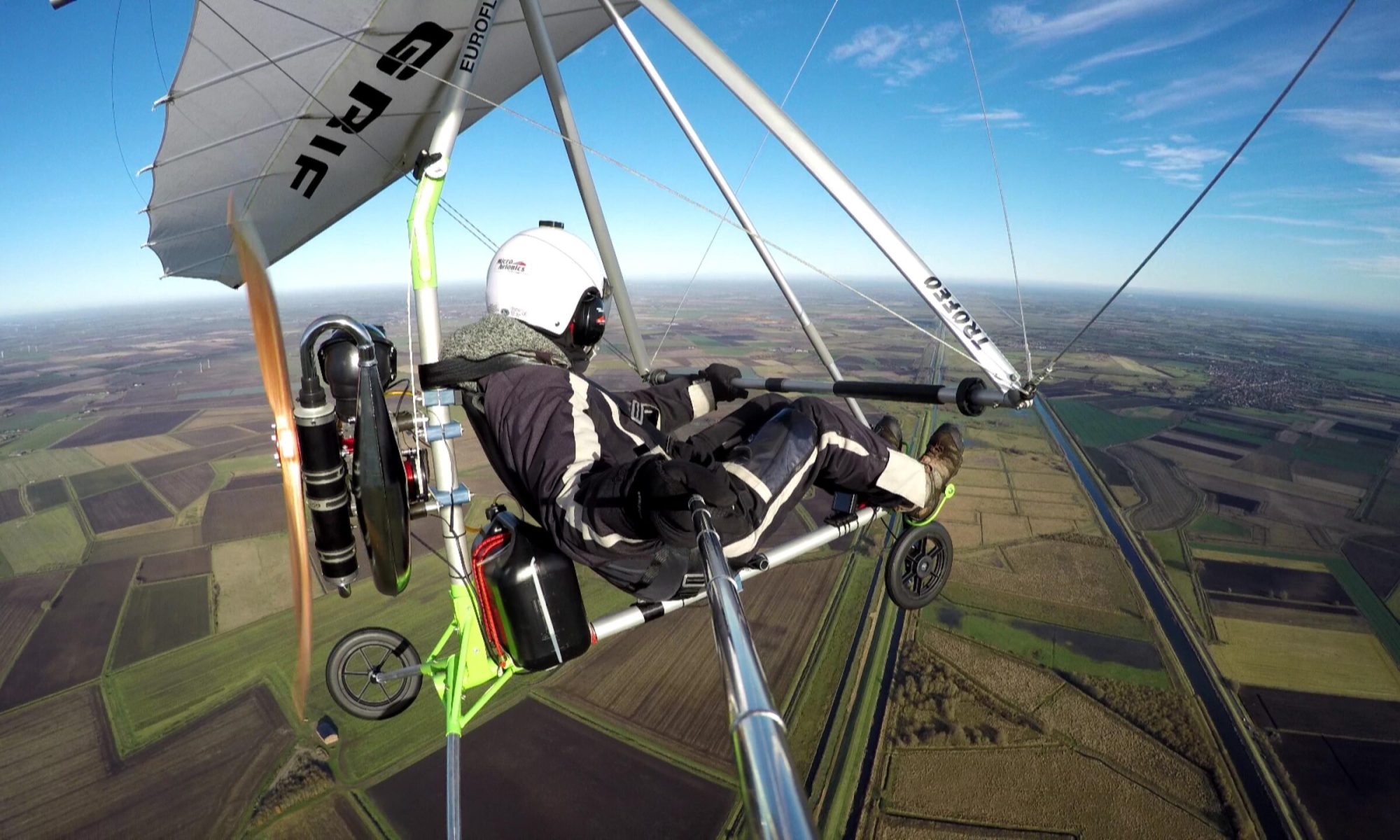
Your choice of aircraft also impacts your learning curve. Three-axis microlights look and feel like traditional aeroplanes, which often makes them easier to master part-time if you have used flight simulators. Flexwings offer a visceral, open-air thrill, but they require a different physical “feel” that can take slightly longer to regain after a break; if the wind-whipped experience leaves your hair needing some extra attention, you can check out Urban Care for specialised products. To manage the fickle British weather, get comfortable with apps like Windy or SkyDemon. Checking these forecasts 24 hours in advance helps you avoid wasted trips to the airfield, keeping your motivation high and your schedule intact.

Choosing the Right Airfield Environment

Training at a dedicated microlight centre like Yatesbury offers a massive advantage over busy commercial hubs. At a major airport, you might spend twenty minutes idling on the tarmac behind a holiday jet. That is time you are paying for but not learning in. Yatesbury operates in uncontrolled airspace. This term refers to regions of the sky where pilots are not required to follow specific instructions from air traffic control, allowing you to take off and practice manoeuvres without waiting for a gap in commercial traffic. It makes every minute of your lesson count.

Maximising Progress Between Lessons

Life happens, and you might occasionally face a two-week gap between flights. You can keep your “stick and rudder” skills sharp at home using a basic flight simulator. We also highly recommend “chair-flying.” This is the simple act of sitting in a quiet room and mentally rehearsing every switch, lever, and radio call of a typical circuit. It keeps your muscle memory alive even when you are grounded. By staying “flight-ready” during your time off, you won’t waste the first portion of your next lesson getting back up to speed. If you are ready to see how aviation fits into your week, you can book your trial flight today to get started.

Start Your Adventure with FunFlying at Yatesbury

At FunFlying, we believe that the sky belongs to everyone, not just those with a lifetime of free hours to spare. Our philosophy is simple. We combine professional, top-tier instruction with the infectious enthusiasm of people who truly love to be airborne. We don’t just teach you to fly; we welcome you into a world of freedom and adventure. Based at our historic airfield in Yatesbury, we operate six days a week. This schedule is specifically designed to accommodate the modern UK workforce. Whether you are navigating a busy corporate career or a hectic family life, we ensure that your training fits into the gaps that work for you.

We also promise a “hands-on from day one” experience. You won’t spend your first few lessons stuck behind a desk or merely observing from the passenger seat. From the moment you strap in for your trial flight, you take the controls. It is about building your confidence through immediate, practical experience. Finding flexible flying lessons UK pilots can actually build a lifestyle around means choosing a school that prioritises your time. If you are looking for training near Swindon or Newbury, our gates are open, and our instructors are ready to help you take that first exhilarating step toward your licence.

Our Local Wiltshire Community

Aviation is more than just a technical skill; it is a vibrant social experience. When you train with us at Yatesbury, you join a community of like-minded enthusiasts. Our clubhouse is a hub where students from Bristol, Andover, and Basingstoke gather to share stories and tips. Why learn in isolation when you can speak with current part-time students who are navigating the same journey as you? This supportive environment is what keeps our pilots motivated, even when the British weather occasionally interrupts the schedule. You are always welcome to drop by, grab a coffee, and see exactly what makes the Yatesbury atmosphere so special.

Take the First Step to Your Licence

We have stripped away the bureaucracy to make our booking process as simple as possible. There are no hidden fees or complex contracts to sign. If you are not quite ready to commit to a full course, our gift vouchers offer a perfect, low-stakes way to experience the cockpit for the first time. It is the ultimate “try before you buy” approach to aviation. Why wait for a “perfect” moment that might never arrive? The horizon is waiting, and the controls are yours for the taking. Book your flexible flying lesson at FunFlying today and discover just how accessible earning your wings can be.

Your Path to the Clouds Starts Today

The dream of flight is no longer a distant “someday” reserved for the retired or the wealthy. By choosing the NPPL route and embracing a modular approach, you can master the skies without sacrificing your career or family time. We have seen how a 25-hour minimum requirement and simplified medical declarations remove the traditional barriers to entry. Finding flexible flying lessons UK pilots can rely on is simply a matter of choosing the right environment and a mentor who understands your pace.

At the Wiltshire Microlight Centre, we make this transition seamless. With training available six days a week and expert instructors who prioritise a “hands-on from day one” philosophy, your progress is always in your own hands. You don’t need to quit your job to earn your wings; you just need to take that first step. Start your aviation journey with a flexible trial flight at FunFlying and experience the liberation of the open sky. We’ll see you on the airfield.

Frequently Asked Questions

How long does it take to get a microlight licence part-time?

Most part-time students earn their licence within six to eighteen months. While the legal minimum is 25 flight hours, your total timeline depends on how consistently you can fly and the cooperation of the British weather. Flying once a week is a fantastic pace that allows you to retain skills without feeling overwhelmed. It’s a journey, not a race, and the modular approach ensures you progress at a speed that feels right for you.

Can I learn to fly if I can only commit to one day a week?

You can certainly master the skies with a one-day-a-week commitment. Many of our most successful pilots are “weekend warriors” who balance their training with a busy Monday-to-Friday career. Because we offer flexible flying lessons UK wide that operate six days a week, you can easily find a regular slot that fits your lifestyle. Consistency is the real secret to success; even one hour a week keeps your muscle memory sharp and your progress steady.

What happens if the weather is bad on my lesson day?

If the weather is unsuitable for flying, we simply reschedule your lesson or move the session indoors for ground school. Safety is our absolute priority, so we never take chances with high winds or low visibility. We encourage students to use apps like Windy to check forecasts 24 hours in advance. If we can’t get airborne, it’s a perfect opportunity to tackle one of your five multiple-choice exams or practice cockpit drills on the ground.

Do I need to pay for my entire pilot training course upfront?

No, you never have to pay for your entire course in advance at FunFlying. We champion a transparent pay-as-you-go model that allows you to fund your training lesson by lesson. This financial flexibility is a core part of our flexible flying lessons UK programme, as it removes the stress of large upfront costs. It makes budgeting simple for families and professionals alike, ensuring that your aviation adventure stays fun and financially manageable from day one.

Is there an age limit for starting flexible flying lessons in the UK?

There is no upper age limit for starting your training, provided you are fit to fly. Many people start their aviation journey well into retirement and find it incredibly rewarding. For younger flyers, you can begin logging hours at age 14. You must be at least 16 years old to fly solo and 17 years old to be issued your pilot licence. It truly is an inclusive hobby that welcomes enthusiasts from every generation.

How much study time is required outside of the flying lessons?

Expect to spend roughly two hours studying at home for every hour you spend in the cockpit. You’ll need to pass five multiple-choice theoretical exams covering subjects like meteorology, navigation, and air law. Modern online resources make this study incredibly flexible, allowing you to review materials during your commute or in the evening. Balancing your reading with practical lessons helps the theory make sense, as you’ll see the concepts in action while you fly.

Can I switch between full-time and part-time training if my work changes?

Yes, you can easily transition between different training intensities as your professional life evolves. The NPPL syllabus is inherently modular, meaning your progress is logged and remains valid even if you need to take a short break or speed things up during a holiday. We pride ourselves on being solution-oriented guides. If your schedule changes, we simply adjust your booking rhythm to ensure you keep moving toward your goal without any added pressure.

Do I need a special medical certificate to fly microlights?

Most microlight pilots do not need a complex medical exam from a specialist doctor. Instead, you can usually complete a Pilot Medical Declaration (PMD) on the CAA website. This is a simple self-declaration of fitness based on the same standards required to hold a UK driving licence. It’s a quick, free process that removes one of the biggest administrative hurdles in aviation. It makes starting your training much faster and more accessible than traditional commercial routes.
Marce Colucci

Article by

Marce Colucci

Love to fly, and more importantly, love teaching others to fly.

Mastering the Sky: The Ultimate Guide to Microlight Ground School UK

Mastering the Sky: The Ultimate Guide to Microlight Ground School UK

Imagine the sensation of lifting off from the grass strip at Yatesbury, the ground falling away as you take control of a microlight for the first time. It’s a moment of pure, unadulterated freedom. But what if the only thing keeping you grounded isn’t the British weather, but a stack of daunting textbooks? For many, the prospect of microlight ground school UK feels like a high-altitude hurdle. You want to be in the cockpit, not stuck at a desk worrying about complex navigation or technical jargon.

We understand that the fear of failing exams or finding time between busy work shifts can make your pilot’s licence feel out of reach. It’s a common worry; whilst the NPPL(M) is much more accessible than a traditional PPL, the theory still requires a steady hand and a clear head. This guide is your flight plan to success. We’ll demystify the five core exam subjects and explain the 2026 CAA regulatory shifts so you can study with total confidence. From syllabus secrets to time-saving study tips, you’re about to discover how to turn those technical manuals into your ticket to the clouds.

Key Takeaways

  • Understand why theory training is the foundation of your safety and confidence in the cockpit, turning you from a passenger into a pilot.
  • Get a clear breakdown of the five core NPPL(M) subjects, including how to master Air Law and unpredictable British Meteorology.
  • Discover how the multiple-choice exams work and why professional microlight ground school UK tuition makes passing a stress-free process.
  • Compare the flexibility of online study platforms with the social, hands-on benefits of learning in person at our Yatesbury centre.
  • Learn how to build a structured study plan that fits around your busy work schedule, ensuring you’re ready to take control from day one.

Table of Contents

What is Microlight Ground School and Why is it Essential?

Think of microlight ground school UK as the moment you stop being a passenger and start becoming a pilot. It isn’t just about passing exams to tick a box. It’s the mental toolkit that ensures every time you pull back on that bar, you know exactly what the aircraft is doing and why. Whilst the physical act of flying is a sensory thrill, ground school provides the logic that keeps that thrill safe. It’s where you learn to read the sky, understand the invisible forces of lift, and navigate the complex motorway of the British airwaves. Effective communication is essential for navigating the airwaves; for those looking to enhance their language skills for professional environments, click here to learn more about English Explorer.

Many students worry that they need to be a mathematical genius to handle the theory. Let’s put that myth to rest right now. You don’t need a degree in physics to fly a microlight. The syllabus is designed for practical, real-world application. If you can handle basic arithmetic and have a passion for aviation, you have everything you need to succeed. At FunFlying Aviation Ltd, we believe in "taking control from lesson one," and that philosophy applies to the classroom too. By studying your theory alongside your flight lessons, the abstract concepts you read about in the morning become the physical sensations you feel in the afternoon.

The Legal Requirement for the NPPL(M)

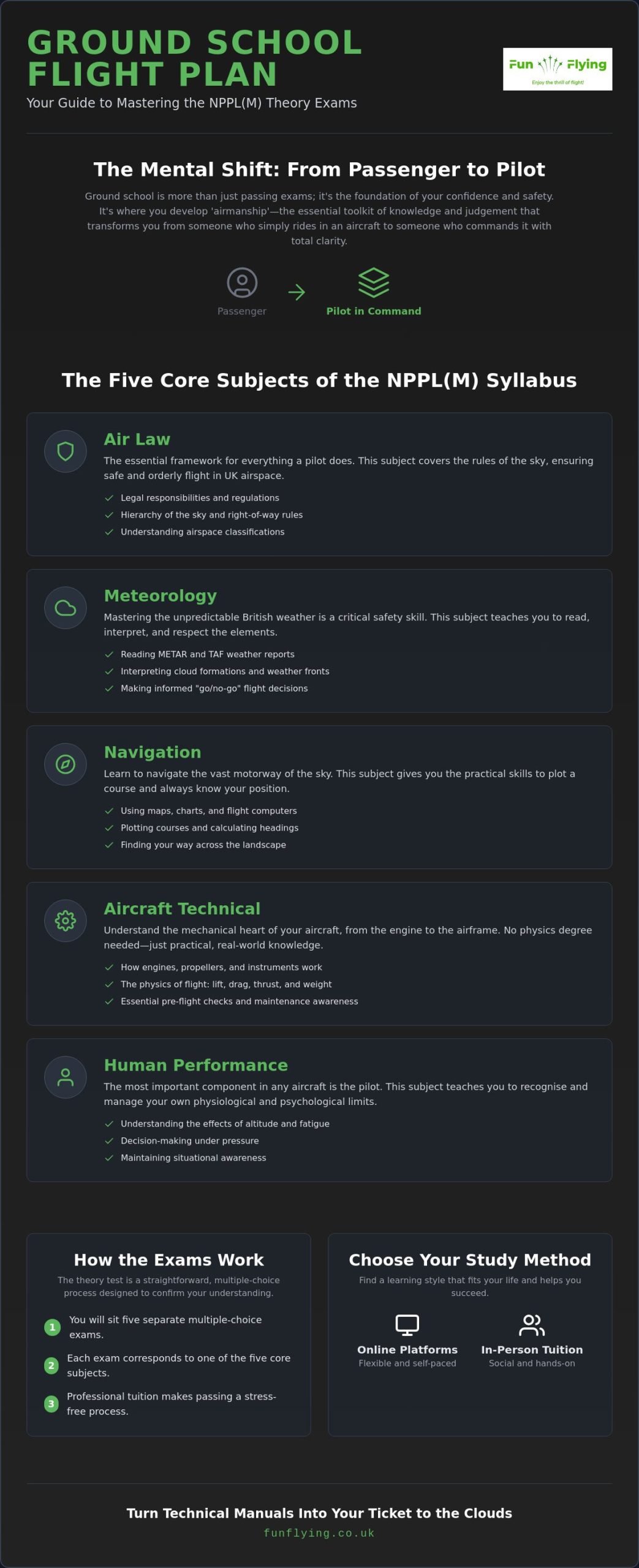
To fly a microlight in the UK, you need a National Private Pilot Licence with a Microlight Class Rating, commonly known as the NPPL(M). This licence is overseen by the Civil Aviation Authority (CAA), but much of the day-to-day administration and syllabus development is handled by the British Microlight Aircraft Association (BMAA). This partnership makes the NPPL one of the most accessible and cost-effective routes into the sky. You’ll need to pass five multiple-choice exams, but don’t let that number intimidate you. These subjects are the building blocks of your autonomy as a pilot, covering everything from the rules of the air to the mechanical heart of your aircraft.

The Mental Shift: From Passenger to Pilot

Ground school is where you develop "airmanship." This is a term pilots use to describe a blend of situational awareness, technical knowledge, and sound judgement. Imagine you’re cruising at 2,000 feet and the horizon starts to haze over. Because of your ground school training, you won’t panic. You’ll recognise the meteorological signs, check your charts for the nearest airfield, and make a calm, safe decision. This theoretical foundation builds the confidence required for your first solo flight. When you understand the "how" behind the flight, the "doing" becomes infinitely more enjoyable. You aren’t just following instructions; you’re commanding the aircraft with total clarity.

The Five Core Subjects of the NPPL(M) Syllabus

Stepping into the world of microlight ground school UK means tackling five distinct subjects. It is a structured journey that transforms you from a curious observer into a competent aviator. These subjects aren’t just hurdles to clear; they are the essential components of your pilot’s toolkit. By the time you sit your final paper, you’ll have a holistic understanding of how to operate safely and legally in the British sky. The five subjects you’ll master are:

  • Air Law: The rules of the sky and legal responsibilities.

  • Meteorology: Predicting and interpreting the British weather.

  • Navigation: Plotting courses and finding your way across the landscape.

  • Aircraft Technical: Understanding the mechanics and physics of your microlight.

  • Human Performance: Recognising your own physiological and psychological limits.

Meteorology and Air Law: The Big Two

Air Law is typically the first exam students sit. It provides the essential framework for everything we do in the cockpit. It covers the hierarchy of the sky, right-of-way rules, and the specific regulations that keep our airspace orderly. Imagine flying from our base at Yatesbury; you need to know exactly which airspace belongs to whom and how to communicate with other pilots in the vicinity. Air Law makes that possible.

Then there is Meteorology. In the UK, the weather is more than just a topic of conversation; it’s a critical safety factor. Ground school teaches you to respect the Wiltshire wind and interpret cloud formations. You will learn to read "Met" reports and make informed "go/no-go" decisions. Understanding how a cold front moves or how turbulence forms near hills ensures that your flights remain enjoyable rather than stressful. If you want to see how these weather patterns look from above, you can book a trial flight to experience the elements first-hand.

Navigation and Technical Knowledge

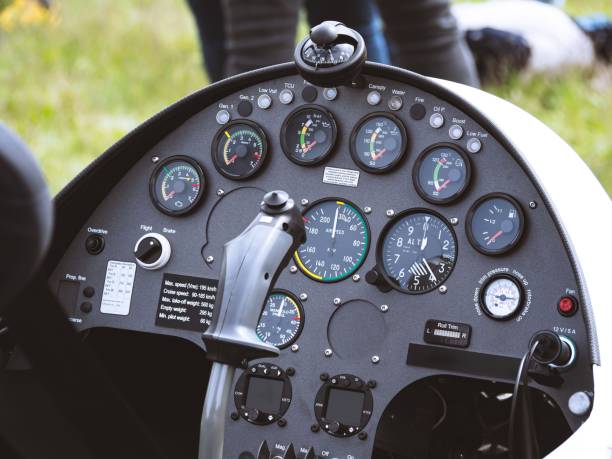
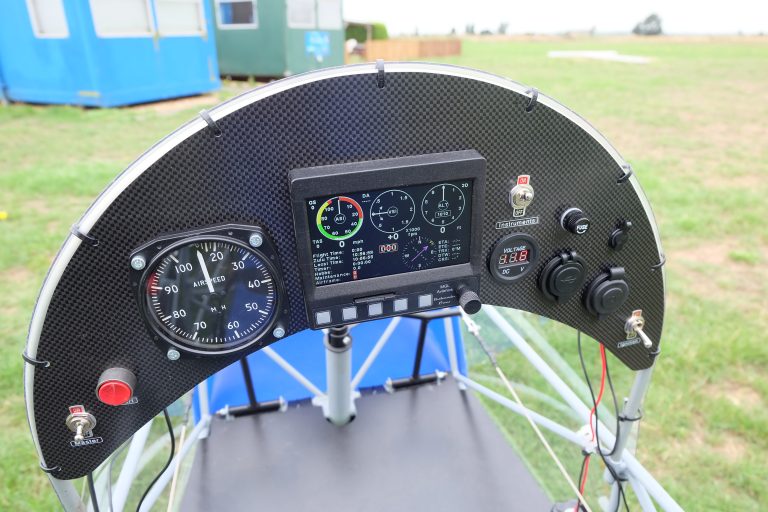
Even in 2026, as advanced 600kg microlights with digital cockpits become more common, the art of the paper chart remains vital. What happens if your electronic tablet fails? Navigation training ensures you can draw a line, calculate your heading, and account for wind drift using traditional tools. It’s a rewarding skill that connects you to the history of aviation.

Simultaneously, the Technical and Principles of Flight exam explains the magic of how you stay up there. You’ll learn how lift, weight, thrust, and drag work in harmony. This isn’t just about theory; it’s about knowing your engine’s heartbeat and understanding basic airframe maintenance. This knowledge gives you the confidence to trust your machine, knowing exactly how it will behave in every phase of flight. Human Performance rounds this off by teaching you how factors like fatigue, altitude, or even a common cold can affect your decision-making in the air.

How the Microlight Theory Exams Work: A Step-by-Step Guide

So, you’ve spent your evenings with the books and your weekends in the air. Now comes the moment to formalise that knowledge. The examination process for your microlight ground school UK training is designed to be supportive, not scary. Each of the five subjects culminates in a multiple-choice paper. These aren’t trick questions designed to catch you out. Instead, they’re practical assessments that ensure you have the core knowledge required to stay safe. Most papers consist of 10 to 20 questions, with time limits ranging from 20 to 45 minutes depending on the complexity of the subject.

The pass mark for each exam is 75%. If you don’t hit that mark on your first try, please don’t panic. It isn’t the end of your flying career. Resits are common and often provide a valuable opportunity to revisit a specific area with your instructor before trying again. The cost to sit each paper typically falls between £40 and £50. One crucial thing to keep in mind is the "validity window." You must pass all five exams within a 24-month period before you take your General Skills Test (GST). This gives you plenty of breathing room to study at a pace that suits your lifestyle.

Sitting Your Exams at the Flight School

While some platforms offer digital study aids, there is a distinct advantage to sitting your papers at the Wiltshire Microlight Centre. Our dedicated exam room at Yatesbury offers a quiet, professional environment away from the distractions of home. Our instructors are always on hand to offer a final bit of encouragement or clarify a tricky concept before you turn over the paper. On exam day, make sure you’re prepared. You’ll need your navigation tools for the Nav paper; think protractors, rulers, and a flight computer; and perhaps a fuel tester or checklist for the technical discussion. Having everything organised beforehand helps settle those pre-flight nerves.

Understanding the Results and Feedback

One of the best parts of sitting exams at a registered centre is the immediate feedback. You won’t be left waiting for weeks for a letter in the post. Once you finish, your instructor will mark the paper and give you your result right then and there. This is a brilliant moment for a debrief. If you missed a question about cloud formations or right-of-way rules, you can discuss it immediately whilst the information is fresh in your mind. This feedback directly informs your next flying lesson, turning a theoretical "mistake" into a practical skill. Finally, every pass is recorded in your pilot logbook, a tangible record of your progress toward earning your wings.

Mastering the Sky: The Ultimate Guide to Microlight Ground School UK

Choosing Your Study Method: Online Courses vs. Flight School Tuition

How do you prefer to learn? Some people thrive in a quiet corner with a tablet. Others need the buzz of a working airfield to truly absorb the material. When it comes to microlight ground school UK, you have two main paths: the digital route or face-to-face tuition. Both have their merits. The real magic happens when you combine them. Choosing the right method is about more than just convenience; it’s about ensuring the knowledge sticks when you’re 2,000 feet in the air.

Digital platforms like Quizaero or EasyPPL are fantastic for flexibility. They allow you to squeeze in a quick mock exam during your lunch break or review meteorology charts before bed. These tools are excellent for repetition and building familiarity with the multiple-choice format. However, an app can’t see the look of confusion on your face when you’re trying to calculate wind drift. It can’t share a story about a real-life "close call" that makes a dry regulation suddenly feel vital. You get the data, but you might miss the context.

That’s where in-person ground school at Yatesbury shines. Learning amongst fellow aviation enthusiasts turns a solitary chore into a social event. You’ll find that "hangar talk", those informal chats over a cup of tea, is often where the most profound lessons are learned. You aren’t just memorising facts; you’re joining a community of pilots who all want to see you succeed. This social environment accelerates your learning because you’re constantly talking and thinking about flight.

When to Choose In-Person Tuition

If you’re finding Navigation or Technical subjects particularly tricky, don’t struggle alone. These are the areas where tailored coaching makes all the difference. An instructor can adapt their explanation to your personal learning style, using physical models or real aircraft components to illustrate a point. This hands-on approach is the cornerstone of our microlight ground school tuition. We ensure you don’t just pass the test, but truly understand the machine you’re flying. Real-world examples from seasoned instructors turn abstract concepts into practical airmanship.

Maximising Your Home Study

Even with expert help, your home study remains a vital part of the process. Invest in the recommended BMAA textbooks and a quality flight computer. Set a realistic schedule that respects your busy work life. Perhaps thirty minutes every other evening is more sustainable than a five-hour marathon on a Sunday. Use practice exams to gauge your readiness, but remember they are a temperature check, not the whole story. The goal is to arrive at the exam desk feeling prepared, relaxed, and ready to fly.

Elevate Your Training at FunFlying: Ground School with a View

Ground school shouldn’t feel like a dry academic chore. It’s the first real step on your journey to becoming a pilot. At FunFlying, we bring the syllabus to life through our "Expert Enthusiast" approach. We aren’t just instructors; we’re pilots who still get a thrill every time we leave the ground. Our microlight ground school UK sessions are designed to be as engaging as the flights themselves. We believe that when you’re having fun, the knowledge sticks. We don’t just teach you how to pass an exam; we teach you how to think like a pilot from day one.

We take pride in removing the obstacles that often make aviation feel elite or inaccessible. Our sessions are flexible, designed to fit around your busy work life and personal commitments. Whether you need a deep dive into Navigation or a quick refresher on Air Law, we adapt our coaching to your pace. This isn’t a factory line. It’s personal, tailored tuition delivered in a friendly environment where no question is too small. We bridge the gap between the textbook and the cockpit, ensuring that every theoretical concept has a practical, real-world application you can use in the air.

Why Wiltshire is the Perfect Classroom

Our location at the Wiltshire Microlight Centre offers more than just a place to study. It provides a living laboratory for your training. Yatesbury sits in a fascinating patch of sky. When we study Navigation, we aren’t just looking at abstract lines on a map. We’re looking at the unique airspace challenges around Swindon, Bristol, and Bath. You’ll learn how to navigate these busy corridors with total confidence. It’s a rewarding feeling when you can identify the local landmarks, like the iconic white horses carved into the Wiltshire hills, to confirm your position at 2,000 feet.

This social side of ground school is invaluable. It turns a solitary study session into a shared adventure. You’ll hear stories of real flights that make the Meteorology or Technical chapters suddenly feel vital and vivid. This local context makes the theory much easier to digest because you can see it happening right outside the classroom window. Just as our community helps pilots grow, those looking to develop their professional skills in other creative fields should check out Institute of Wedding Photographers.

Start Your Aviation Journey Today

Aviation is for everyone. We’re committed to making your training inclusive, straightforward, and above all, enjoyable. You don’t need to be a mathematician or an engineer to get your wings. You just need the passion to learn and the right guidance to get you there. From your very first trial flight to the moment you hold your NPPL(M), we provide a structured, supportive path to success. Don’t let the books keep you grounded. You can organise your microlight ground school at FunFlying today and start turning your dream of flight into a reality.

Your Pilot’s Licence is Within Reach

The dream of navigating the clouds above Wiltshire is closer than you think. You’ve seen that the theory exams aren’t just hurdles to clear; they’re the building blocks of a confident, safe pilot. From mastering British meteorology to understanding the mechanical heart of your aircraft, every subject brings you one step closer to that unrestricted licence. By choosing a structured approach to microlight ground school UK, you can turn a potentially daunting syllabus into a rewarding social experience.

At FunFlying, we’re proud to be a highly rated microlight school serving Wiltshire and the South West. Based at the historic Yatesbury airfield, our expert instructors prioritise your safety and the pure joy of flight. We don’t just want you to pass; we want you to thrive in the cockpit. Whether you’re balancing study with a busy work life or looking for a community that shares your passion, we’re here to guide you every step of the way.

Ready to take control? It’s time to stop imagining and start flying. Book Your Ground School or Trial Flight at FunFlying and let’s get your aviation journey off the ground. The sky is waiting for you.

Frequently Asked Questions

How many exams are there for a microlight licence in the UK?

You must pass five theory exams to obtain your NPPL(M). These subjects are Air Law, Meteorology, Navigation, Aircraft Technical, and Human Performance. Each paper consists of multiple-choice questions designed to test your practical understanding of safe flight operations in the UK.

How hard are the microlight theory exams for beginners?

The exams are designed to be accessible and focus on practical application rather than complex academic theory. You don’t need to be a mathematician or a physicist to succeed. Most students find that with consistent study and a bit of guidance from their instructor, the concepts become clear and logical quite quickly.

Can I study for my microlight ground school online?

Yes, you can certainly use digital platforms and apps to support your microlight ground school UK training. These tools are excellent for mock exams and flexible revision. However, many pilots find that in-person tuition at a flight school provides the real-world context and personal mentorship that helps the knowledge truly stick.

How long do the microlight exam results stay valid?

Your theory exam passes remain valid for 24 months. You must complete all five exams and pass your General Skills Test (GST) within this two-year window. This timeframe is quite generous, allowing you to progress at a pace that fits around your personal life and professional commitments.

What is the pass mark for the NPPL(M) theory exams?

The pass mark for each of the five theory exams is 75%. If you happen to fall short on your first attempt, you can resit the exam after further revision. We treat a resit as a valuable learning opportunity to strengthen your knowledge in specific areas before you take to the skies again.

Do I need to pass the ground school before I start flying lessons?

No, you don’t need to finish your ground school before you begin flying. In fact, we encourage students to learn theory and practical skills concurrently. Seeing a weather front from the cockpit or using a chart during a real flight makes the microlight ground school UK syllabus much more intuitive and exciting.

How much does microlight ground school cost in the UK?

The fee to sit each of the five theory exams is typically between £40 and £50 per paper. If you opt for professional one-to-one ground school tuition, you can expect to pay between £30 and £50 per hour. Investing in expert help can often accelerate your progress and build your confidence more effectively than studying alone.

Is there an age limit for sitting the microlight theory exams?

There is no specific minimum age for sitting the theory exams, but there are age requirements for other milestones. You must be at least 14 years old for your flight hours to count towards a licence, 16 years old to fly solo, and 17 years old to be issued your pilot’s licence.

Marce Colucci

Article by

Marce Colucci

Love to fly, and more importantly, love teaching others to fly.

Weekend Wings: Why Lightweight Microlights Are Made for Adventure

Weekend Wings: Why Lightweight Microlights Are Made for Adventure

Weekend flying just got a whole lot more thrilling with lightweight aircraft designed for pure adventure. Imagine soaring above patchwork fields in a sub-70 microlight, feeling the breeze and freedom that only open skies offer. At Fun Flying Aviation, we make it easy and affordable to take your first flying lesson UK pilots rave about—whether it’s your first flight or the start of a new passion. Ready to discover why lightweight microlights are the perfect choice for weekend flying? For more insight, check out this interesting discussion on the benefits of ultralight aircraft.

The Thrill of Weekend Flying

Flying isn’t just a mode of travel; it’s an adventure that elevates your spirit. Let’s explore how you can tap into the joy of flight with lightweight aircraft.

Embrace the Freedom of Flight

Imagine breaking free from the daily grind as you glide through the sky. Lightweight aircraft offer a sense of liberation that other hobbies simply cannot match. When you’re airborne, the world below becomes a beautiful tapestry, and you feel truly alive. Each flight offers a unique view, making every journey an unforgettable experience.

Affordable Adventures Await

You might think flying is only for the wealthy, but that’s not true. With affordable flying lessons, you can join the sky-high adventures without breaking the bank. Microlight aircraft are not just exciting; they are cost-effective too. Fuel-efficient engines and minimal maintenance keep your expenses low, allowing you to focus on the thrill of flying.

Beginners Welcome: No Experience Needed

Are you new to flying? No worries! Fun Flying Aviation welcomes beginners with open arms. You don’t need prior knowledge to start. Our friendly instructors make learning easy and fun. Picture yourself taking off on your first flight, surrounded by supportive guides who share your passion for aviation. Ready to take the leap?

Microlights: The Perfect Adventure

Now that you’re excited about flying, let’s dive into why microlights are the ideal choice for weekend enthusiasts.

Why Choose a Microlight?

Microlights are perfect for adventure seekers. These nimble aircraft offer a unique flying experience. With their lightweight design, they provide great manoeuvrability and fun. They’re easy to transport, meaning you can explore various locations without hassle. Flying a microlight is not just about reaching a destination; it’s about the journey itself.

Meet the Minifox: Low-Cost Flight

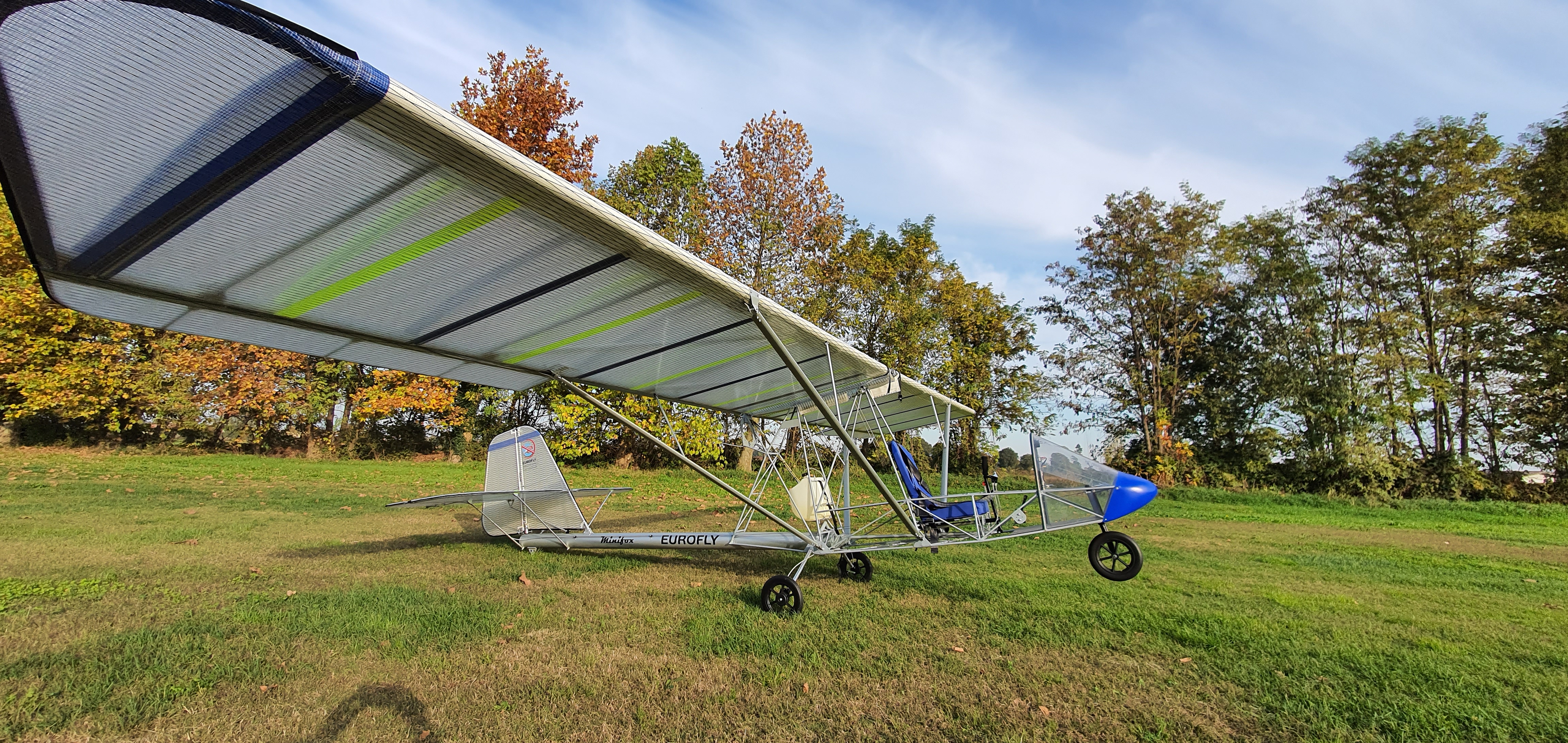
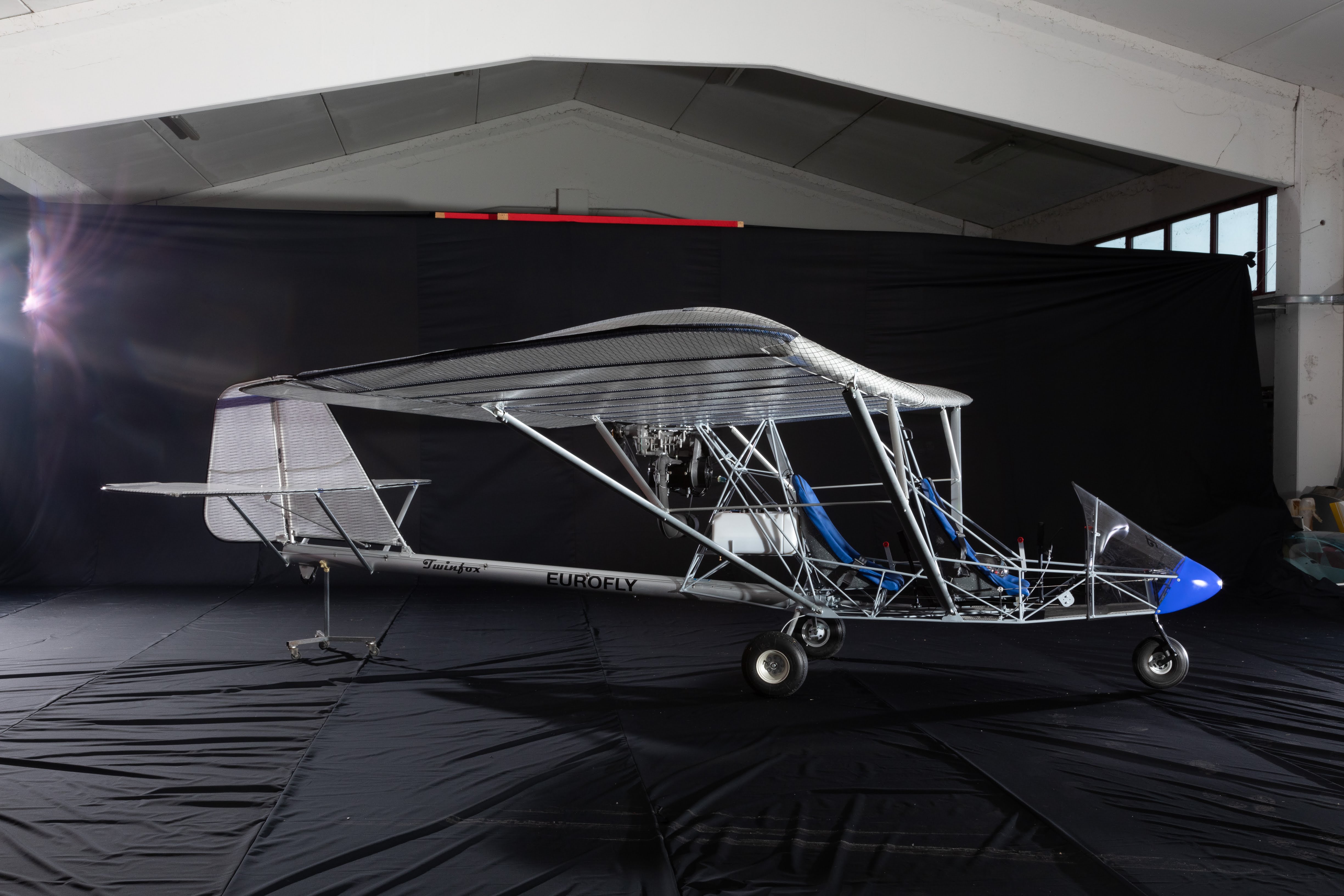
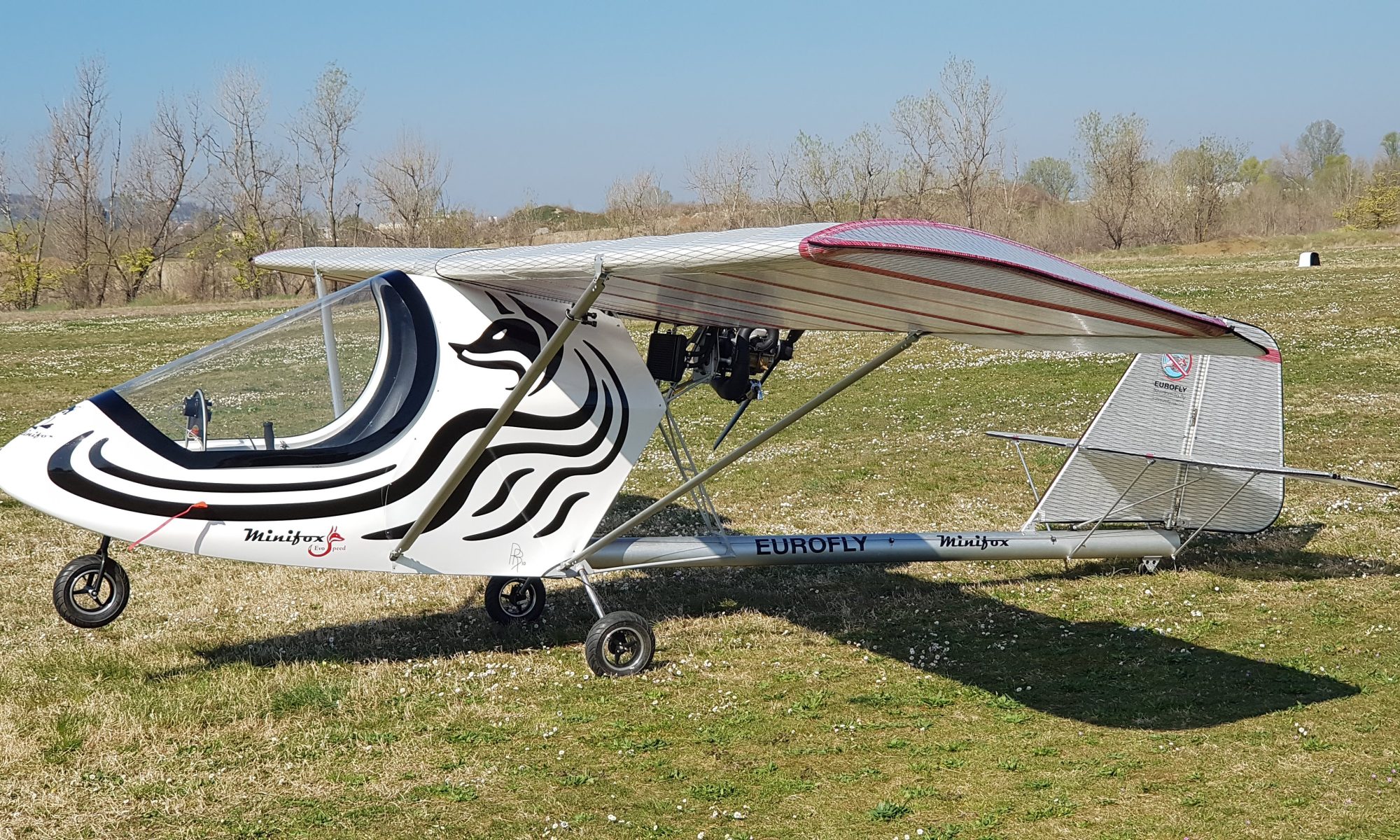
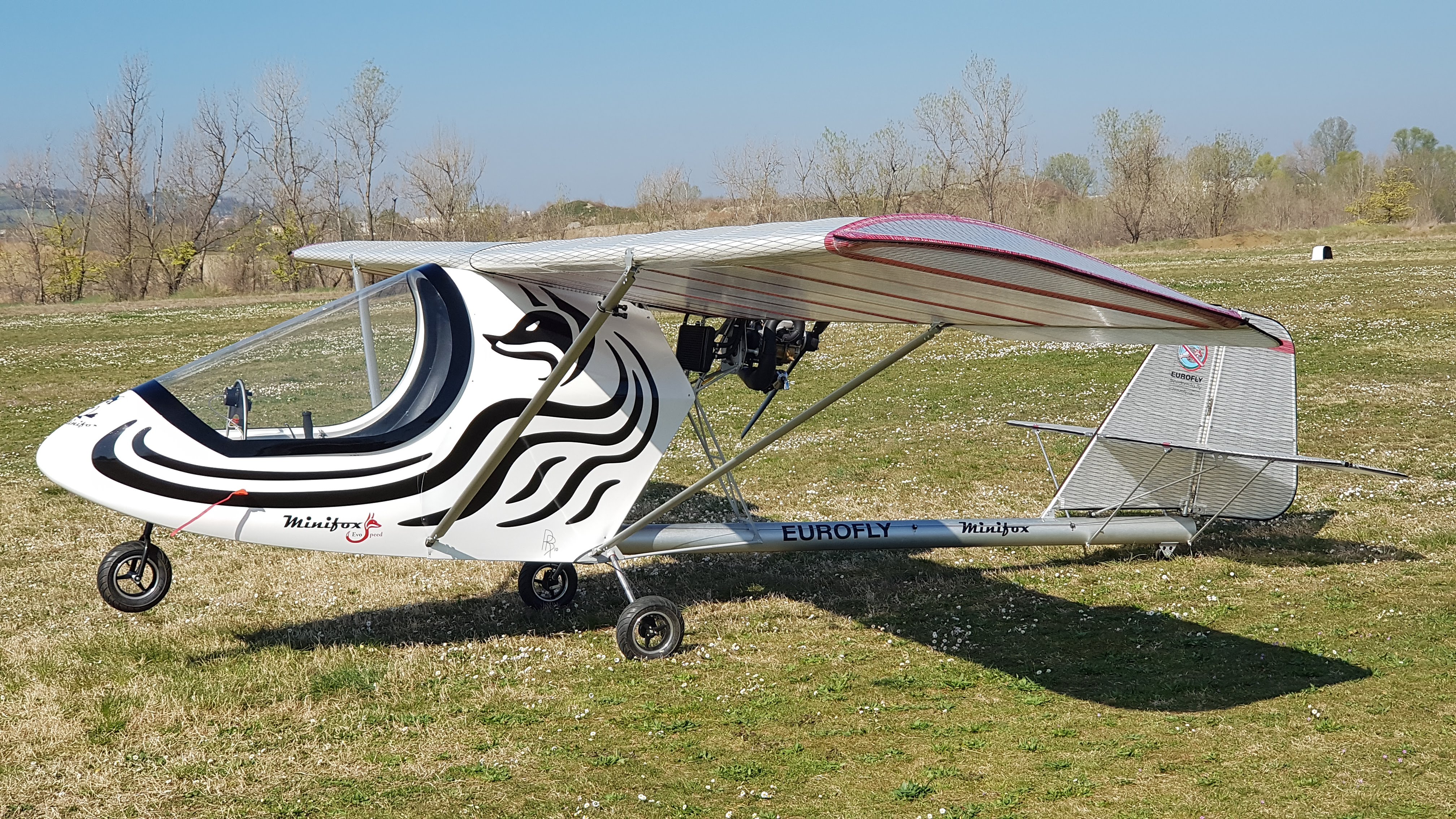
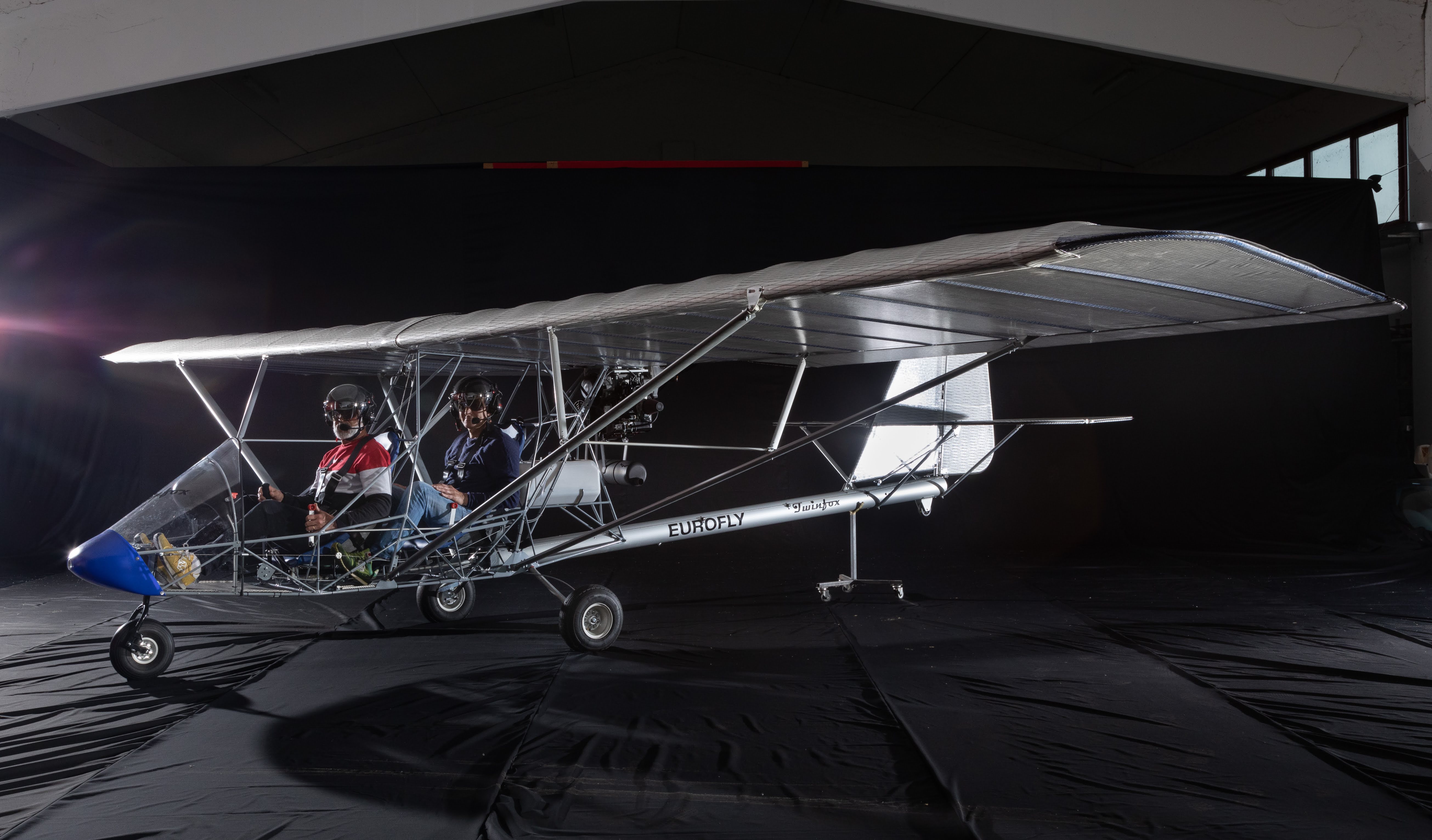
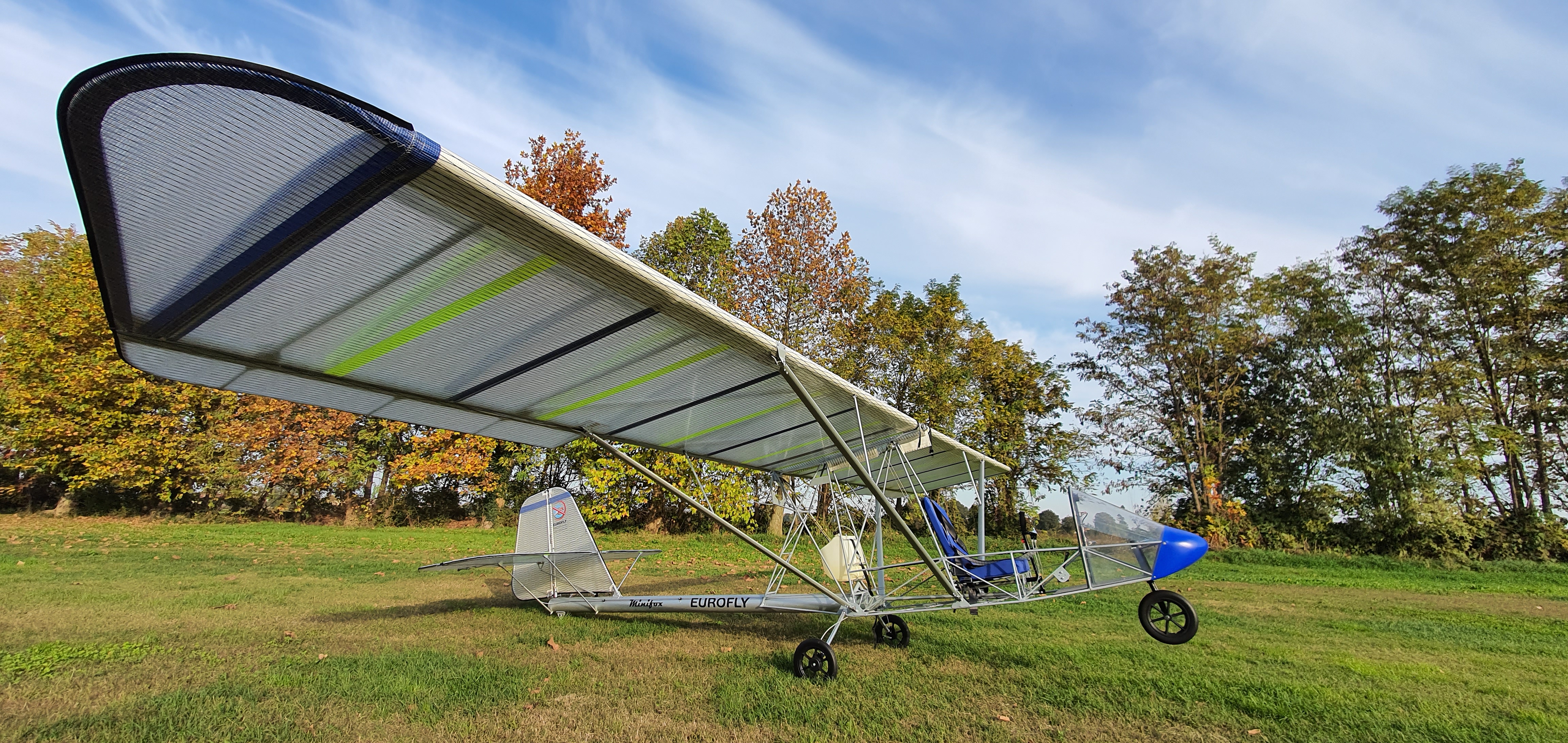
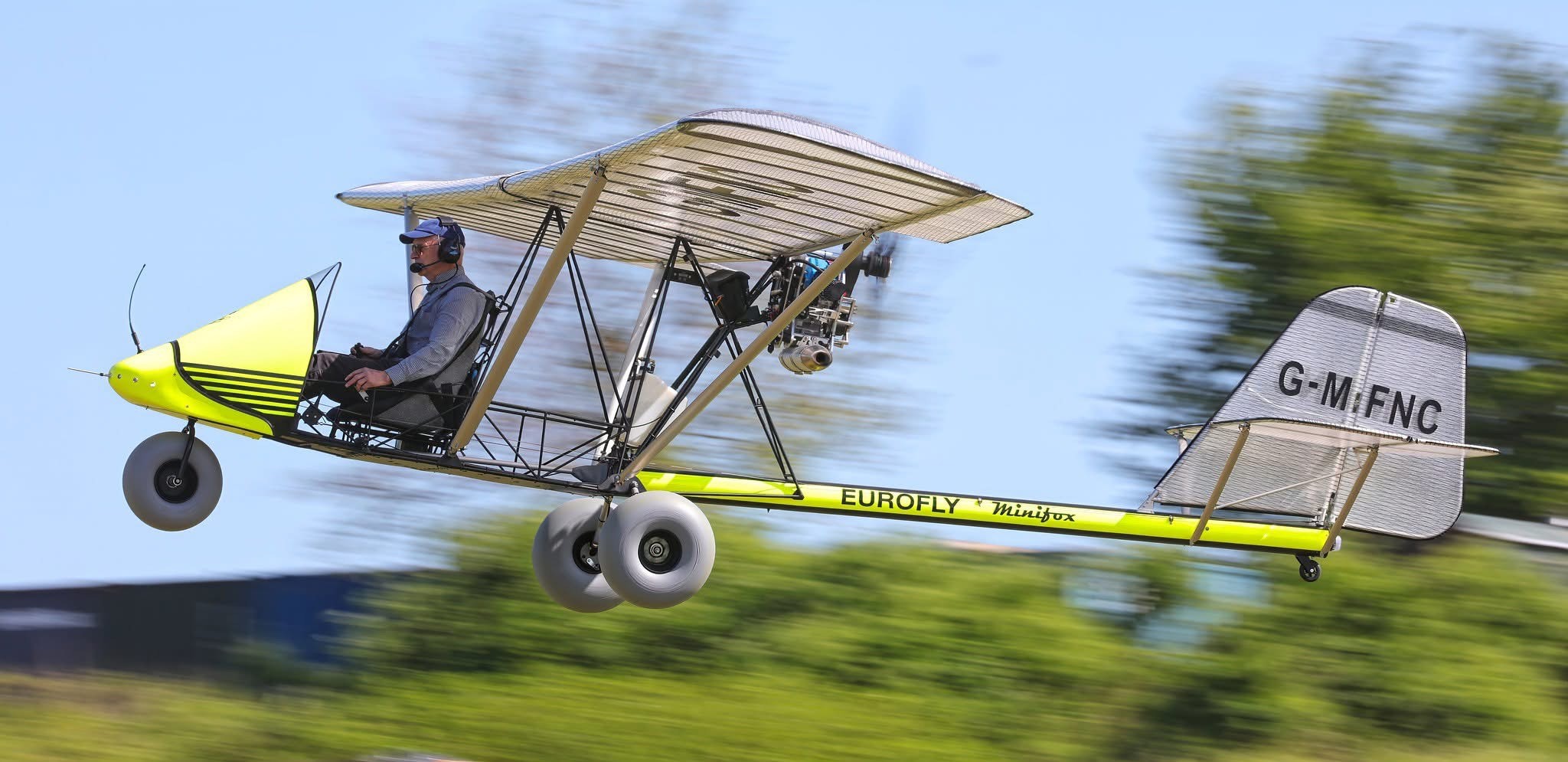
The Minifox microlight is an excellent choice for first-time flyers. Known for its affordability and efficiency, this aircraft delivers maximum fun with minimal costs. Its open cockpit design offers a panoramic view, making each flight a visual treat. With the Minifox, you’ll enjoy the thrill of flying without the hefty price tag.

Flexwing vs. Fixed-Wing: What Suits You?

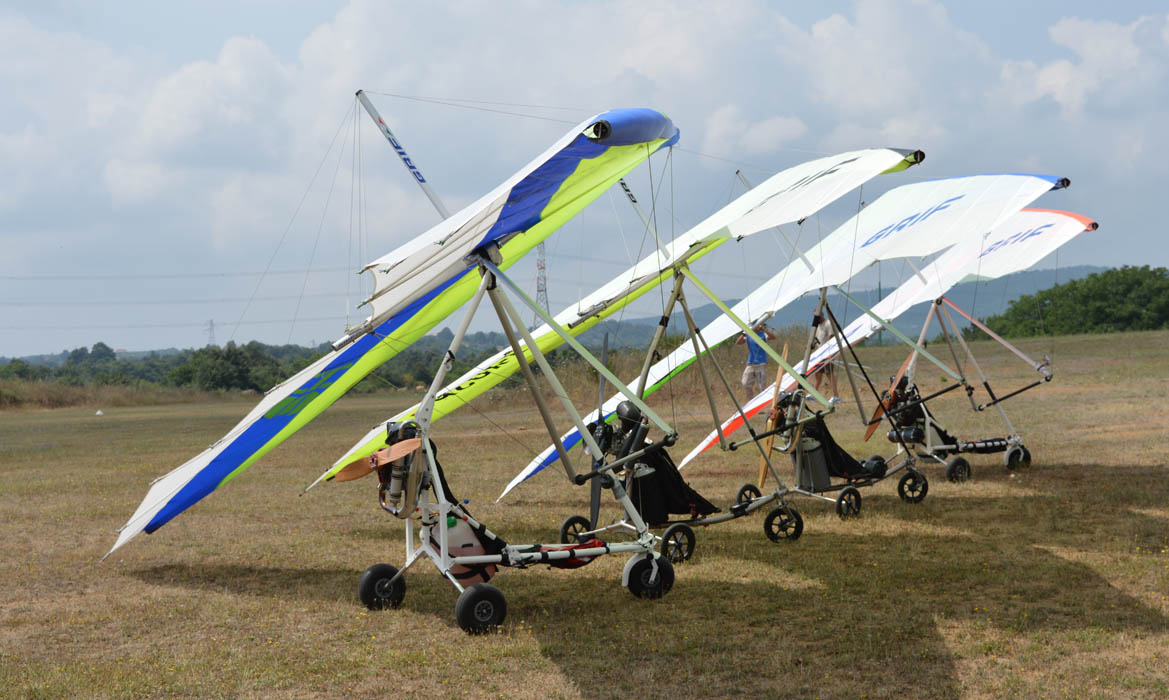
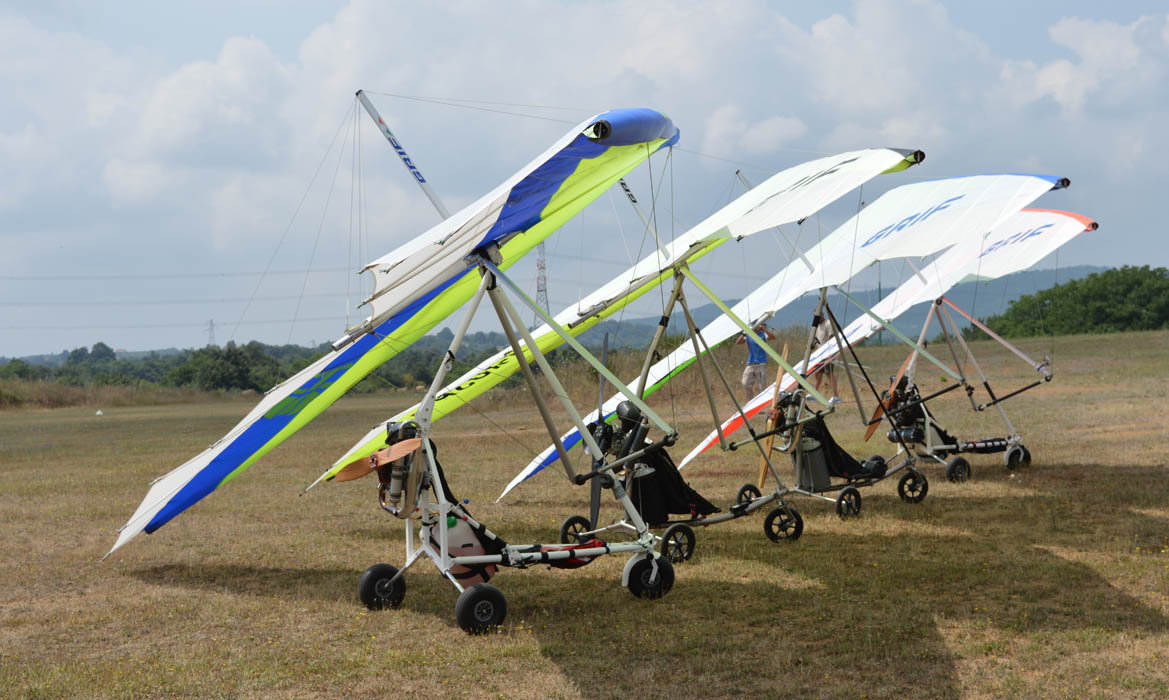
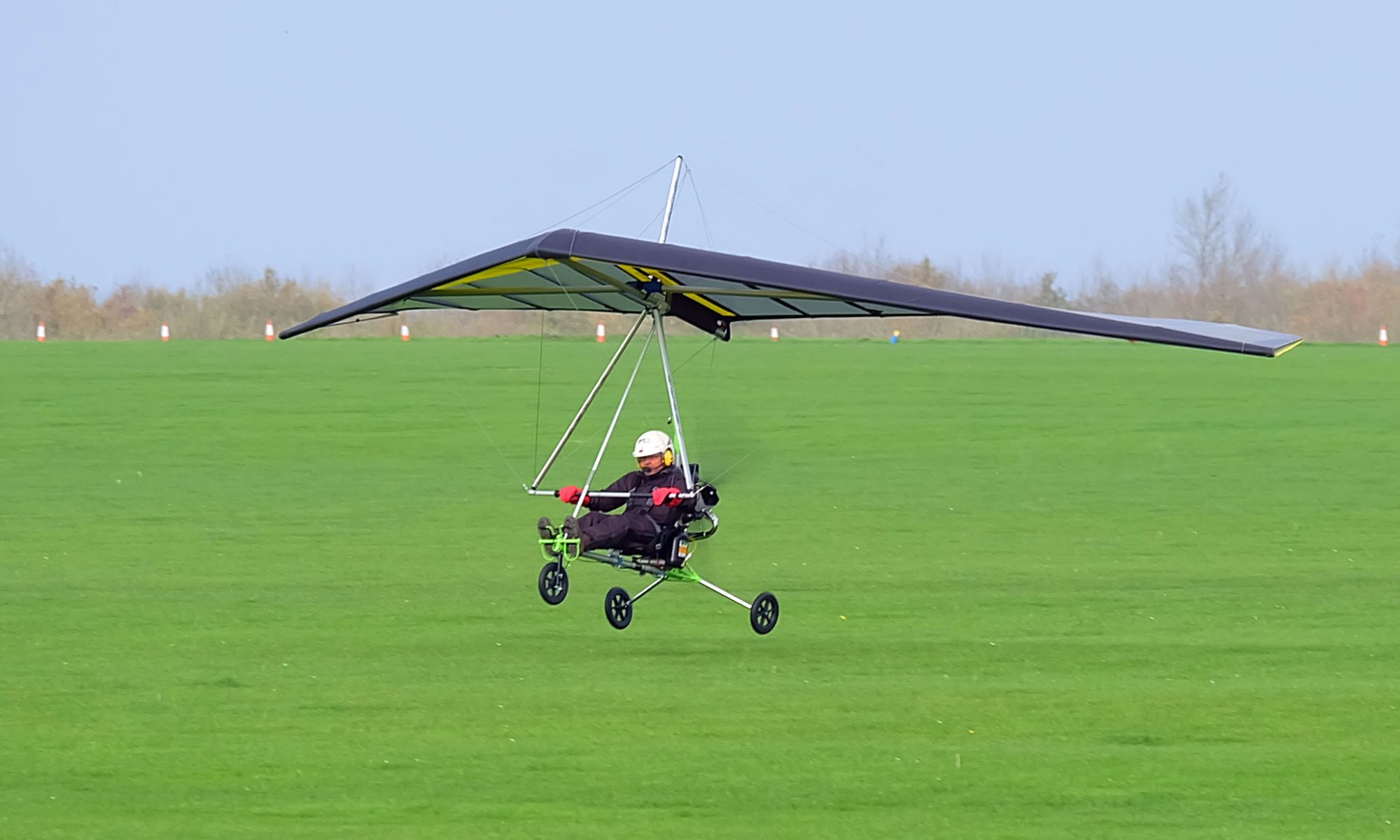
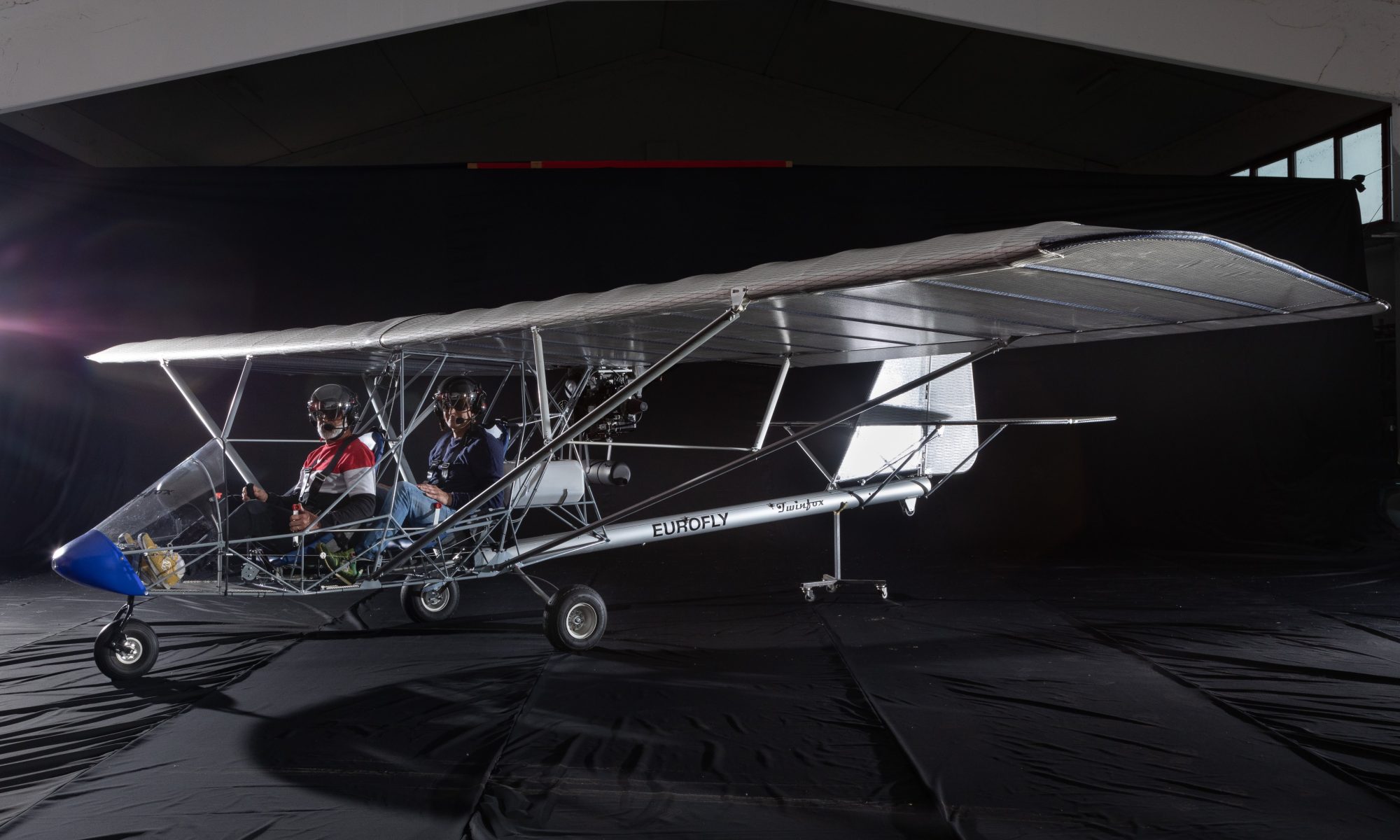
Choosing between flexwing and fixed-wing microlights depends on your flying style. Flexwing microlights are more like hang gliders, offering a thrilling, open-air experience. Meanwhile, fixed-wing microlights, like the Minifox, provide a traditional feel with better control and stability. Consider what excites you the most: the wind in your face or a smooth, controlled flight.

Your First Flying Lesson

Curious about what it’s like to start flying? Let’s guide you through your first trial flying lesson.

Fun Flying Aviation: Your Friendly Guide

At Fun Flying Aviation, we’re committed to making your flying dreams come true. Our instructors are passionate about sharing their love for flight. We offer personalised lessons tailored to your pace and interests. Whether you’re aiming to fly for fun or start a career in aviation, we’ve got you covered.

What to Expect from a Trial Lesson

Your first flying lesson UK will be unforgettable. You’ll start with a brief introduction on the ground before taking to the skies. Our instructors will guide you every step of the way, ensuring you feel comfortable and excited. You’ll experience the joy of controlling the aircraft, making your first lesson both empowering and exhilarating.

Join the Community: Be a Pilot in the UK

Joining our community at Fun Flying Aviation means more than just learning to fly; it’s about being part of a vibrant group of enthusiasts. Share experiences, learn from others, and celebrate milestones together. As you progress, you’ll find yourself not just flying but thriving within a supportive network of fellow pilots.

With every flight, you’re not just exploring the skies, you’re discovering a new passion. So why wait? Take that first step and experience the adventure of microlight flying.

Book your first lesson today.

Choosing Your First Microlight in the UK: Your Friendly, Affordable Flight Plan!

Choosing Your First Microlight in the UK: Your Friendly, Affordable Flight Plan!

Forget everything you think you know about getting into flying! Choosing your first microlight aircraft UK style doesn’t have to drain your wallet or confuse you with jargon. Whether you’re dreaming of soaring in a fixed-wing microlight or feeling the breeze in a flexwing, we’ll break down the key choices, costs, and storage tips to get you airborne. Ready to take control? Let’s chart your affordable flight plan! For an ideal introduction to private flying, check this guide.

Choosing Your Microlight

Choosing your microlight is easier than you might think. Let’s explore two main types and what makes each one unique.

Fixed-Wing vs Flexwing

When deciding between a fixed-wing microlight and a flexwing, your flying style plays a big role. Fixed-wing microlights, like the Minifox, offer a traditional aircraft design. They provide stability and are great for those who want a more conventional flying feel. These microlights can often cruise at 50-55 MPH, giving you a smooth and comfortable ride with lots of visibility.

On the other hand, flexwing microlights feel more like a flying bike. You get to feel the wind and enjoy a more open-air experience. They are lighter and can be more agile, perfect for those who crave a thrill. If you’re unsure which suits you best, why not try both styles during trial flying lessons in the UK?

Understanding SSDR and Sub 70

It’s important to know about Single-Seat DeRegulated (SSDR) and sub 70 microlights. SSDR microlights, like the Minifox, offer low running costs and flexibility. They don’t require a yearly permit, which saves money and hassle. The sub 70 category includes aircraft under 70kg. These don’t need a pilot’s license, making them a fantastic option for beginners eager to learn to fly without complex regulations.

Flying an SSDR microlight can be an exciting journey into the skies, with fewer rules and more freedom. Check out some options here.

Cost and Storage Considerations

Budgeting for your flying passion is crucial. Let’s break down ownership costs and storage solutions so you can make smart choices.

Microlight Ownership Costs

Owning a microlight doesn’t have to be expensive. The Minifox, for instance, keeps costs down with no ongoing permit fees. Its fuel efficiency means you’ll save on every flight. A full tank offers over four hours of flying, letting you explore without constant refueling.

Routine maintenance and occasional part replacements are part of ownership but are manageable. A budget of a few hundred pounds per year covers most regular expenses. Investing in a microlight can be much more affordable compared to other aircraft. Curious about specific costs? Explore more here.

Affordable Microlight Storage Solutions

Storage is the next big consideration. Luckily, options like folding wings on the Minifox mean you can fit your microlight in a garage or a compact space. No costly hangar fees here!

You could even transport your microlight by car, taking it on holiday adventures. Imagine flying over new landscapes without the usual storage worries. Learn more storage tips from the community of enthusiasts here.

Trial Lessons and Community

Trial lessons are a great way to get a feel for microlights. Plus, you’ll meet fellow flying fans who share your passion.

Microlight Flying Lessons in the UK

Microlight flying lessons offer a taste of the sky without long-term commitment. Imagine climbing into the cockpit for the first time, feeling the controls, and experiencing the thrill of takeoff. Lessons typically last about an hour, giving you ample time to get a feel for the aircraft.

Booking a trial lesson is easy and can be the first step toward your flying journey. Most people start with just a single lesson and quickly discover a love for flying. Why not join them and see for yourself how exciting it is to learn to fly a microlight in the UK?

Becoming Part of the Fun Flying Family

Joining a flying community adds joy to the experience. You’ll find a network of supportive enthusiasts ready to share tips and stories. Fun Flying Aviation is more than just a training provider; it’s a community where budding pilots come together to celebrate their love of flight.

This community welcomes everyone, from beginners to experienced flyers. Whether you’re looking to make new friends or find flying partners, there’s a place for you. The sky is not the limit; it’s just the beginning of your adventure with Fun Flying Aviation!

Book your first lesson today.

Learn to Fly for Less! Your Guide to Affordable Microlight Training Options

Learn to Fly for Less! Your Guide to Affordable Microlight Training Options

Forget what you think you know about learning to fly—it doesn’t have to drain your wallet or keep you grounded! Microlight training offers a brilliant way to take to the skies without the usual hefty price tag. With options like sub-70 microlight and SSDR microlight courses, you can start your flying adventure affordably, at your own pace, and with aircraft designed for fun and freedom. Ready to see how easy it is to get airborne? https://www.flyingmag.com/best-online-ground-school/

Affordable Microlight Training in the UK

Ready to soar without breaking the bank? Discover microlight training as a cost-effective way to get into the sky. Let’s dive into what’s available and why it’s such a fantastic option.

Exploring Budget-Friendly Options

Imagine cruising the skies without emptying your wallet! The UK offers several affordable microlight courses. Whether you’re interested in a sub-70 microlight or the SSDR class, options abound. These courses are designed for those eager to learn without hefty expenses.

Why choose microlights? They’re lightweight and simple to operate. You won’t need costly hangar space—these aircraft can be stored conveniently, saving you even more. Many find the price per hour of flying is significantly lower than traditional aircraft.

For a closer look at where to start, check out this guide on choosing where to train. It offers insights into picking the right school and what to expect during lessons.

Benefits of Sub-70 Microlight Training

Sub-70 microlights are perfect for budget-conscious beginners. They offer flexibility with fewer regulatory hurdles. Training on these aircraft is not just affordable; it’s a breeze!

These microlights require no ongoing permit fees, making them ideal for those wanting to fly without added costs. And if you’re wondering about the experience, expect excellent visibility from an open cockpit and the thrill of minimalistic flying.

Most people think flying is expensive, but sub-70 training proves otherwise. You’re not just getting lessons; you’re gaining freedom. For more on affordability in aviation, visit this discussion on cost-effective flying.

Flexwing vs. Minifox Microlight

Choosing between a Flexwing and a Minifox? Both have unique benefits. Flexwings are known for their agility and ease of transport. You can fold them and take them on holiday—imagine flying in France or Spain!

In contrast, the Minifox SSDR offers stability and comfort. It boasts impressive short take-off performance and is built for longer flights. With its roomy cockpit, a Minifox is perfect for scenic adventures.

Here’s the key insight: Flexwings are great for portability, while Minifoxes excel in comfort and performance. Most people think they need to compromise, but with microlights, you can have both portability and a thrilling ride!

Your Pathway to a Microlight Licence

Now that you know about the options, let’s chart your course to getting a microlight licence. From initial training to cost-saving tips, here’s your guide to taking flight.

Step-by-Step Training Guide

Starting your journey is simpler than you might think. First, find a local flight school offering microlight training. Begin with a taster flight to get a feel for the aircraft.

Once you’re hooked, enroll in a course. You’ll learn the basics with an instructor before taking to the skies solo. With about 20-30 hours of training, you can qualify for your licence. This timeline is more streamlined compared to traditional aviation paths.

Want detailed insights? Check this learn to fly course for comprehensive coverage on lessons and prep.

Cost-Effective Learning Strategies

Flying doesn’t have to be costly. Look for schools that offer package deals, reducing the price per lesson. Group classes can also cut costs while providing camaraderie and support.

Another tip: consider training during off-peak times. Rates can be lower, offering additional savings. Plus, buying used equipment or sharing aircraft with fellow enthusiasts can further reduce expenses.

Booking Your First Taster Flight

Curious about what it’s like to pilot a microlight? Booking a taster flight is your next step! It’s an exciting way to see if flying is for you.

Reach out to local schools and inquire about availability. Most offer introductory flights at a reduced rate. You’ll experience the thrill of flight and get a glimpse of what’s to come in full training.

Building Your Flying Community

Flying is more fun when shared. Connect with fellow pilots and enthusiasts to enhance your journey. Let’s explore how to expand your aviation network.

Joining Group Fly-Outs and Hangar Chats

Connecting with others is key to building a strong flying community. Many schools and clubs host group fly-outs. These events are fantastic for meeting fellow pilots and sharing experiences. You’ll learn new skills and get tips from seasoned flyers.

Hangar chats are another great way to bond. These informal gatherings allow you to discuss flying techniques, share stories, and get advice. You’ll build friendships that last beyond the runway.

Mentorship and Support for Beginners

Feeling overwhelmed? Don’t worry! Most flying communities offer mentorship programs. Experienced pilots guide newcomers, offering valuable insights and encouragement.

Having a mentor means you’re never alone. They provide support, answer questions, and help you navigate challenges. You’ll gain confidence and skills faster with someone cheering you on.

Expanding Your Aviation Network

Want to connect beyond local clubs? Join online groups and forums. Platforms like Reddit have active communities where you can exchange ideas and get advice. You’ll find a wealth of knowledge and a supportive network ready to help.

As you immerse yourself, you’ll discover opportunities to attend aviation events and workshops. These gatherings are ideal for learning, networking, and expanding your horizons.

🎉✈️

With these steps and insights, you’re ready to embark on your microlight journey. Remember, flying is not just about the destination—it’s the exhilarating adventure along the way!

Your Pre‑Flight Checklist: What to Know Before Buying a Kit‑Built Microlight!

Your Pre‑Flight Checklist: What to Know Before Buying a Kit‑Built Microlight!

Forget everything you know about buying a kit-built microlight! Jumping into this adventure without weighing key factors can leave you grounded longer than you’d like. From budget and build time to skill level and microlight regulations UK, getting it right means more time soaring and less time stuck on the ground. Stick with us, and you’ll know exactly what to look for before you build a microlight of your own!

Budget and Skill Level Considerations

Before you take off, let’s talk about what you need to know regarding your budget and skills. These crucial factors determine how smoothly your journey will unfold.

Setting Your Budget

First things first: how much are you willing to spend? Setting a clear budget is essential. Kit-built microlights vary widely in price. Some can be quite affordable, while others may stretch your wallet. Consider what you’re comfortable investing. Remember, it’s not just the initial cost. You’ll also need to factor in assembly tools, maintenance, and possible upgrades. So, grab a calculator and pencil down your numbers. Being financially prepared ensures your journey stays thrilling and stress-free.

Assessing Your Skill Level

Now, let’s reflect on your skills. Are you a seasoned builder, or is this your first venture? Your experience level will influence the type of kit you should choose. If you’re new, opt for a kit with comprehensive instructions and support. Don’t shy away from seeking help when needed. Engaging with the microlight community can be invaluable. Experienced builders can offer tips and advice. Your skills will grow with each step, turning your dream of flight into reality.

Understanding Regulations and Performance

Navigating the skies is as much about understanding regulations as it is about the thrill of flight. Let’s dive into what you need to know about staying compliant and ensuring your microlight performs at its best.

Microlight Regulations UK

Flying isn’t just about taking off into the horizon. In the UK, specific regulations must be followed to ensure safe skies for all. The British Microlight Aircraft Association (BMAA) provides guidance to help you understand what’s required. From permits to airworthiness, getting familiar with these rules is important. The BMAA and Light Aircraft Association (LAA) are great resources. They can assist in ensuring your aircraft complies with all legal standards. Safety is paramount, and understanding the regulations is your first step toward a worry-free flight.

Evaluating Aircraft Performance

When it comes to performance, you want your microlight to be reliable and agile. How does it handle different weather conditions? What’s the fuel efficiency? These are key questions to consider. The Minifox SSDR microlight, for instance, offers excellent performance with low running costs. Think about the type of flying you plan to do. Evaluating these aspects ensures your microlight meets your expectations, whether you’re soaring through calm skies or navigating more challenging weather.

Community and Support

A strong community and robust support system make all the difference on your flying journey. Let’s explore how connecting with others and seeking guidance can enhance your experience.

Engaging with the Microlight Community

Joining a community of fellow enthusiasts can be incredibly rewarding. The microlight community is welcoming and full of experienced flyers eager to share their knowledge. Engaging with others can provide insights, tips, and encouragement. Online forums, like those on Reddit, are great places to start. Connect with local clubs or attend fly-ins to meet like-minded individuals. Building relationships within this community not only boosts your confidence but also enriches your flying adventure.

Accessing Training and Support

Don’t underestimate the importance of training. Quality training equips you with the skills needed to pilot your microlight safely. Fun Flying Aviation offers comprehensive training that caters to all skill levels. Whether you’re a novice or looking to refresh your skills, having access to expert guidance is crucial. Training courses provide practical knowledge and hands-on experience, ensuring you’re well-prepared for every flight.

✈️✨

By considering budget, skills, regulations, and community support, you’re setting yourself up for a successful microlight journey. With the right preparation, you’ll be ready to take to the skies safely and confidently. Happy flying!

Get in touch today to find out more

Fold, Tow, Go! Why Portable Microlights Are Perfect for Recreational Pilots

Fold, Tow, Go! Why Portable Microlights Are Perfect for Recreational Pilots

Forget everything you know about owning and flying an aircraft! Portable microlight aircraft are changing the game for recreational pilots who crave freedom without the fuss. Imagine folding your wing, towing your plane, and launching into the sky whenever adventure calls—all without hangar fees or complicated storage. Learn more about microlight aviation here. Let’s explore why these nimble flying machines are perfect for your next great escape.

The Freedom of Portable Microlights

Imagine having the sky at your fingertips, ready to explore whenever you please. Portable microlights offer exactly that, redefining how you think about flight.

Pack-Up and Go Adventures

With portable microlights, adventure is always a possibility. These aircraft are designed to be user-friendly, meaning you can be airborne in a matter of minutes. Their folding wings make it simple to prepare for a flight, eliminating the need for cumbersome setups or specialized equipment. Just pack up your gear, and you’re ready for take-off.

For those who love spontaneous trips, microlights are a game-changer. You no longer have to plan months ahead or worry about traditional aircraft hassles. Whether it’s a quick weekend getaway or a more extended journey, these nimble machines make it all possible. Imagine soaring over beautiful landscapes, feeling the wind and the thrill of the open sky. The best part? You don’t need to be an expert pilot to get started.

Trailerable Convenience for Pilots

The convenience of portable microlights goes beyond just flying. Once you’re ready to land, these aircraft can be easily towed away. Forget about finding a spot in a crowded hangar or paying for storage. Trailerable microlights fit neatly into your garage or can be transported using a standard trailer. This means you can take your aircraft anywhere you go, turning any trip into a flying adventure.

The flexibility doesn’t stop there. With these aircraft, you gain the freedom to explore new take-off spots or scenic routes without being tied down to a single location. No hangarage required means you’re free to roam as you please. The sky is your playground, and these microlights are your ticket to endless exploration.

Affordability and Practicality

Not only do portable microlights offer freedom, but they also make flying accessible and practical. Let’s look at how these aircraft can fit into your budget and lifestyle.

Cost-Effective Flying Options

Flying doesn’t have to break the bank. When you choose a portable microlight aircraft, you’re opting for affordability without sacrificing quality or experience. These aircraft are designed with cost-effective flying in mind, offering an economical alternative to traditional planes. A Minifox SSDR microlight, for instance, is available for a fraction of the cost you’d expect.

Operating costs are also lower, thanks to their lightweight design and efficient engines. With a 4-stroke microlight engine, you gain reliable performance with minimal fuel consumption. This means more time in the air and less money spent on upkeep. The freedom of flight is within reach, and it doesn’t have to come with a hefty price tag.

Easy Storage and Transportation

One of the standout features of these aircraft is how easily they can be stored and transported. No need for special arrangements, no hidden fees. Folding wing microlights simplify the storage process, allowing you to keep your aircraft at home or take it with you on your next trip. This practicality extends to transportation as well, with the ability to fit your aircraft in a trailer.

The portability of these microlights means you’re never stuck in one place. Whether you’re heading to a new flying spot or simply moving your aircraft, the process is straightforward. This flexibility not only saves time but also reduces costs, making microlights an ideal choice for hobbyists and serious flyers alike.

Community and Training Opportunities

Owning a microlight is not just about the aircraft—it’s about joining a community that shares your passion for flight and adventure.

Join Our Supportive Flying Community

Flying may seem like a solitary activity, but it doesn’t have to be. When you choose a microlight, you become part of a larger community of enthusiasts. This supportive network offers camaraderie and shared experiences. You’ll find forums, clubs, and meet-ups where like-minded individuals gather to share tips, stories, and adventures.

Being part of this community means you’re never flying alone. You’ll have access to valuable insights and support from seasoned pilots who understand the joys and challenges of microlight flying. Whether you’re a beginner or a seasoned flyer, there’s a place for you in this welcoming circle.

Affordable Flight Training in the UK

For those new to flying or looking to enhance their skills, affordable flight training is available. These programs are designed to make learning accessible and enjoyable, allowing you to grow your skills in a supportive environment. Training focuses on safety, confidence, and proficiency, ensuring you get the most from your flying experience.

In the UK, you’ll find options that cater to different levels, whether you’re just starting or seeking advanced instruction. With this training, you can gain the skills needed to enjoy all that microlight flying has to offer. There’s no better way to experience the freedom of the skies while becoming part of a passionate community.

🎉✈️

By choosing a portable microlight, you’re embracing a lifestyle of freedom, affordability, and community. The sky is no longer the limit—it’s just the beginning.

Get in touch today to find out more

From Daydreams to Take-off: Affordable Flight Training to Launch Your Pilot Journey!

From Daydreams to Take-off: Affordable Flight Training to Launch Your Pilot Journey!

Forget everything you know about costly pilot training! You don’t need to break the bank to learn to fly microlight and earn your microlight licence. At Fun Flying Aviation, our affordable flight training puts you in the pilot’s seat with flexible flying lessons, wallet-friendly aircraft like the Minifox SSDR, and a welcoming community ready to support your journey. Ready to feel the slipstream? Check out some ways to fund your training!

Launch Your Pilot Journey

Embarking on your pilot journey doesn’t have to be a financial burden. With Fun Flying Aviation, you can access affordable flight training that opens the skies to everyone. Let’s explore the options that make flying accessible.

Affordable Flight Training Options

Imagine taking the controls of a microlight, soaring through the clouds, and feeling the ultimate freedom. At Fun Flying Aviation, we make this dream possible with budget-friendly training options. Our flight lessons are designed to suit various schedules and budgets, ensuring that everyone can learn at their own pace. Unlike traditional training, our approach eliminates the hefty costs associated with other aviation paths.

Our instructors are experienced pilots who are passionate about teaching. They focus on delivering quality training without compromising safety or enjoyment. Lessons are conducted using our Minifox SSDR, a cost-effective aircraft that allows for a hands-on learning experience. Plus, with flexible payment plans, you can manage your finances while you soar towards your microlight licence.

Explore Microlight Training Benefits

Microlight training offers unique advantages that go beyond affordability. The smaller, lighter aircraft used are perfect for beginners, providing a stable and forgiving learning platform. These aircraft are not only economical to operate but also offer an intimate flying experience. With excellent visibility and simple controls, you’ll quickly gain confidence in the cockpit.

Training in microlight aircraft prepares you for various flying conditions. You’ll learn essential skills needed for solo flights and beyond, setting a strong foundation for any future aviation aspirations. Moreover, the relaxed pace of microlight training allows you to enjoy the process, making each lesson a memorable adventure in itself.

Community and Camaraderie

Joining Fun Flying Aviation means becoming part of a vibrant community. Our members share a love for flying and adventure, creating a supportive environment for all newcomers. Whether you’re swapping stories over coffee or participating in group fly-outs, you’ll find camaraderie and encouragement at every turn.

The community aspect is a significant benefit of training with us. You’ll connect with fellow enthusiasts who can offer advice, share experiences, and celebrate milestones with you. This network not only enriches your flying journey but also provides lasting friendships grounded in a shared passion for aviation.

Meet the Minifox SSDR

Our Minifox SSDR is more than just an aircraft; it’s your gateway to the skies. Discover its features and understand why it’s a favourite among our students and pilots alike.

Features of the Minifox SSDR

The Minifox SSDR stands out with its sleek design and impressive performance. This fixed-wing microlight is crafted for stability and ease of use, ideal for those new to flying. With a short take-off distance of less than 100 metres, it gets you airborne quickly, allowing for more time in the sky.

Comfort is key, and the Minifox delivers with a spacious cockpit and excellent visibility. Its removable wings make it easy to transport, eliminating the need for costly hangar space. Whether you’re heading for a weekend escape or a quick local flight, the Minifox is designed to fit seamlessly into your lifestyle.

Enjoy the Freedom of Portable Aircraft

Portability is a game-changer in flying. The Minifox SSDR can be easily transported without the usual hassles. Imagine packing up your aircraft and setting off to explore new destinations without worrying about hangar fees or complicated logistics.

This portability not only saves money but also unlocks endless adventure possibilities. You can take your aircraft on holiday or explore new regions with ease. The Minifox SSDR gives you the freedom to fly wherever your heart desires, turning the world into your personal runway.

Economical Flying with EOS Quattro Engine ✈️

Equipped with the EOS Quattro engine, the Minifox SSDR provides reliable performance with low running costs. The 4-stroke engine ensures a smooth and efficient flight, making it a practical choice for budget-conscious flyers. Its fuel efficiency means you can enjoy longer flights without constant refuelling, giving you more time to savour the experience.

This engine’s reliability offers peace of mind, allowing you to focus on the joy of flying. You’ll appreciate the balance of power and economy, making the Minifox SSDR a smart investment for any aspiring pilot looking to maximise their flying adventures.

Take to the Skies with Confidence

Ready to experience the thrill of flying firsthand? Let’s dive into how you can take your first steps toward becoming a confident microlight pilot.

Booking Your Trial Flight

Your flying adventure begins with a trial flight, the perfect introduction to microlight aviation. This hands-on experience lets you feel the freedom of flight while under the guidance of a skilled instructor. Booking is simple, and our friendly staff are ready to help you prepare for your first take-off.

During your trial flight, you’ll handle the controls and get a taste of what flying is all about. It’s a chance to see if the skies are calling you and to ignite your passion for aviation. Find out how to book your trial flight and take the first step toward your new journey.

Learn to Fly Microlight with Ease

Our training programme is structured to make learning to fly microlights straightforward and enjoyable. Each lesson builds on the last, gradually increasing your skills and confidence. Our instructors tailor sessions to your pace, ensuring you grasp each concept before moving on.

You’ll learn everything from basic manoeuvres to advanced flying techniques. By the end, you’ll be ready to fly solo and even consider expanding your horizons with more advanced certifications. Learning to fly microlight is your gateway to a world of endless possibilities.

Hour Building for Ambitious Aviators 🌟

For those aspiring to further their aviation careers, hour building is a crucial step. With Fun Flying Aviation, you can accumulate the necessary flight hours affordably. Our structured plans allow you to log hours efficiently, setting a solid foundation for future endeavours.

Whether you’re aiming for a commercial licence or simply want to refine your skills, our hour-building options provide the experience you need. It’s the perfect way to advance your flying journey without breaking the bank. Ready to soar higher? Start your hour building today and watch your aviation dreams take flight.

Get in touch today to find out more

From First Flight to Flight Deck: Affordable Training Pathways to Kickstart Your Commercial Pilot Journey

From First Flight to Flight Deck: Affordable Training Pathways to Kickstart Your Commercial Pilot Journey

Forget everything you know about pricey pilot training! You can start your commercial pilot journey without emptying your wallet by choosing affordable flight training UK options that begin with microlight training. From earning your NPPL(M) licence to bridging into PPL and ATPL, this modular path builds your hours and skills step-by-step. Stick with us at Fun Flying Aviation—your friendly guide and community—to turn your flying dreams into logbook reality!

Getting Started with Microlight Training

Are you ready to take to the skies without breaking the bank? Let’s explore how microlight training offers a cost-effective entry into the world of aviation.

Affordable Flight Training in the UK

Flying lessons can be expensive, but microlight training offers a budget-friendly alternative. By choosing affordable flight training UK, you start your journey with manageable costs. Microlight aircraft are lighter and simpler, requiring fewer hours to master. This means less time in the air before you can pilot solo, saving on rental and instructor fees. Imagine navigating the skies as you build skills and confidence, all while keeping your savings intact.

Benefits of a Microlight Licence

A microlight licence opens up a world of possibilities. With it, you can fly various small aircraft, perfect for leisure trips or skill-building. Unlike larger planes, microlights offer a unique flying experience with unparalleled views from the cockpit. The thrill of flight is accessible to you without the usual financial strain. Plus, maintaining a microlight is often more affordable, leaving you free to focus on the joy of flying rather than costs.

Fun Flying Aviation: Your Trusted Partner

Choosing the right partner is crucial in your aviation journey. At Fun Flying Aviation, we offer guidance and support every step of the way. Our community is filled with passionate aviators eager to share their knowledge. Whether you’re just starting or advancing your skills, we provide the resources you need. Our commitment to affordable flying ensures that your dreams take flight with confidence and camaraderie.

Navigating the Modular Pilot Training Pathway

Once you’ve mastered microlight flying, it’s time to explore how to progress through the modular pathway from NPPL(M) to PPL/ATPL.

From NPPL(M) to PPL/ATPL

The journey from NPPL(M) to PPL/ATPL offers a structured yet flexible route to becoming a pilot. Starting with the National Private Pilot Licence (Microlight), you gain foundational skills. This licence serves as a stepping stone, allowing you to transition smoothly to a Light Aircraft Pilot Licence or a Private Pilot Licence. Each stage builds upon the last, enhancing your knowledge and expertise. With each licence, you gain access to larger aircraft and more complex flight operations, all at your pace.

Hour-Building Options in the UK

Building flight hours is essential for advancing your aviation career. In the UK, there are numerous opportunities to accumulate hours affordably. From club rentals to shared flights, you can log valuable time without hefty fees. Many pilots choose to participate in flying clubs, where shared costs and experiences enrich your journey. By focusing on hour-building early, you set the groundwork for future certifications and career milestones.

Transition to CPL/ATPL: A Clear Route

Advancing to a Commercial Pilot Licence and eventually an Airline Transport Pilot Licence is a clear pathway with great rewards. The modular approach allows you to progress systematically, reducing costs and maximizing learning. Each qualification builds on the previous one, making the transition smoother and more efficient. As you aim for a CPL or ATPL, you unlock opportunities for a professional career in aviation, turning your passion into a lifelong pursuit.

Building Your Aviation Community

Beyond the technical aspects of flying, being part of a community enhances your aviation experience. Here’s how engaging with others can elevate your journey.

Engaging Activities and Workshops

Joining an aviation community opens doors to engaging activities and workshops. These events offer hands-on learning, where you can gain insights from experienced pilots and instructors. Workshops cover various topics, from navigation techniques to aircraft maintenance. By participating, you not only enhance your skills but also build lasting relationships with fellow enthusiasts, creating a supportive network for your aviation adventures.

The Benefits of Portable Aircraft

Owning a portable aircraft brings freedom like no other. These aircraft, often without the need for hangarage, are easy to transport and store. Imagine taking your plane on holiday or exploring new regions without logistics concerns. The portability of aircraft like the Minifox microlight offers flexibility that traditional planes can’t match, empowering you to explore the skies on your terms.

Join Us: Start Your Commercial Pilot Journey 🚀

Your adventure in aviation awaits, and now is the perfect time to embark on this thrilling path. As you consider your options, remember the benefits of starting with microlight training and progressing through a modular route. The longer you wait, the more opportunities you miss out on. Join our vibrant community, and let Fun Flying Aviation be your guide as you turn your piloting dreams into reality. Together, we’ll reach new heights!

Get in touch today to find out more

Innovation in Sub‑70 Microlights: Big Smiles, Small Bills!

Innovation in Sub‑70 Microlights: Big Smiles, Small Bills!

Forget everything you know about pricey flying lessons and complicated aircraft! Sub-70 microlights are shaking up the skies with designs that bring big smiles without big bills. Whether you crave open-air thrills or a lightweight aircraft that fits your lifestyle, these affordable microlight aircraft deliver pure joy and easy access to flying. Ready to see how Fun Flying Aviation can launch your adventure? Check out this exciting playlist for a taste!

The Thrill of Sub-70 Microlights

Microlights are reinventing the way we think about flying. They offer a unique blend of freedom and affordability that makes the skies accessible to all. Let’s dive into the excitement these compact aircraft bring.

Small Aircraft, Big Adventures

Ever dreamt of soaring above the countryside? With sub-70 microlights, that dream is within reach! These small aircraft pack a punch, offering the thrill of flight without the hefty price tag. Imagine gliding through the air, feeling the breeze on your face, and taking in breathtaking views. With a compact size, these microlights can take off and land in small spaces, making every flight an adventure waiting to happen.

Sub-70 microlights boast an impressive range, allowing you to explore new horizons. And you don’t need a hangar. Say goodbye to storage woes! These aircraft can be easily transported, letting you embark on new flying escapades without hassle. Want to know what it’s like to soar like a bird? Check out this video and get inspired!

Affordable Flying for Everyone

Flying often seems out of reach due to cost, but affordable microlights change the game. These aircraft offer the joy of flying at a fraction of traditional costs. No more sky-high expenses—just pure flying fun! With low running costs, microlights make aviation accessible. They’re perfect for those who want to experience flight without breaking the bank.

Worried about maintenance fees? Fear not. Microlights are designed to be budget-friendly, ensuring you spend more time in the air and less time worrying about costs. Join the growing number of enthusiasts who are taking to the skies without financial stress!

The Joy of Open-Air Thrills

There’s nothing quite like the exhilaration of open-air flying. Microlights deliver an experience that’s both freeing and thrilling. Feel the wind in your hair and the rush of altitude as you pilot your own craft. It’s an adventure that captures the essence of flight.

Open-air flying puts you in touch with nature. You’ll feel connected to the world around you in a way that’s only possible when you’re soaring above it all. The sights, sounds, and sensations are unmatched—perfect for anyone looking to escape the ordinary and embrace something extraordinary.

Exploring Popular Microlight Models

Ready to learn about the standout models that bring these adventures to life? From compact designs to stellar performance, these microlights offer something for everyone.

Minifox SSDR Microlight Features

The Minifox SSDR is a marvel in microlight design. It boasts excellent performance with a simple, straightforward build. This model is perfect for those who want a hassle-free flying experience.

The Minifox stands out with its incredible short take-off capability. Imagine lifting off in under 100 metres! It’s built for pilots who love efficiency and speed. The cockpit offers great visibility, letting you fully enjoy your surroundings. Plus, the one-person wing fold mechanism means you can easily transport and store this microlight without fuss. Intrigued? Check out more here.

Snake Trike Ultralight Aircraft

Meet the Snake Trike, a microlight designed with portability in mind. This ultralight aircraft can be packed into the boot of your car! It’s ideal for adventurers who want to take their flying machine wherever they go.

The Snake Trike offers flexibility and ease of use. It doesn’t require a license to operate, making it accessible to many. Its agile design allows it to handle various weather conditions, enhancing your flying experience. Whether you’re heading to the coast or exploring the countryside, this trike promises an exhilarating ride!

Pros of Lightweight Aircraft Design

Lightweight design isn’t just a feature; it’s a game-changer. Microlights with lightweight builds are easier to handle and more cost-effective. Here’s why they’re a smart choice:

  • Fuel Efficiency: Light aircraft require less fuel, saving you money.

  • Transportability: Easy to move and store, reducing logistics hassle.

  • Lower Maintenance: Fewer parts mean less upkeep, keeping costs down.

These benefits make lightweight aircraft a favourite among flying enthusiasts. They blend practicality with the thrill of flight, offering an experience that’s both enjoyable and economical.

Getting Started with Microlight Flying

Thinking about taking to the skies? Here’s how you can begin your flying journey with confidence.

Learning to Fly: The First Steps

Starting your flying journey is simpler than you think. Begin with signing up for a taster lesson to get a feel for microlight flying. These sessions introduce you to the basics, helping you decide if flying is your passion.

Next, consider enrolling in a microlight training course. These courses cover everything from flight theory to hands-on practice. With friendly instructors guiding you, you’ll gain the skills needed to fly solo. Learning to fly is an adventure in itself, building confidence and setting you on the path to becoming a pilot.

Benefits of Microlight Training

Why choose microlight training? It’s affordable, practical, and incredibly rewarding. Microlight training is designed to suit all budgets, making it accessible to everyone. The courses are structured to provide comprehensive knowledge, ensuring you’re well-prepared for solo flights.

Training in microlights is also a stepping stone to larger aircraft. It offers a foundation in aviation, allowing you to advance your skills as you grow more confident. Plus, microlight pilots often enjoy a strong sense of community, connecting with others who share their passion for flight.

Joining the Aviation Community UK 🚀

Becoming part of the aviation community is one of the most fulfilling aspects of flying. In the UK, a vibrant community awaits, filled with enthusiasts eager to share their knowledge and experiences.

Joining the community offers numerous benefits. You’ll gain insights from seasoned pilots, participate in events, and forge friendships that last a lifetime. It’s a support network that enhances your flying journey, providing encouragement and camaraderie. Ready to be part of this exciting world? Connect with fellow flyers on Instagram and start your adventure today!

With sub-70 microlights, the sky isn’t the limit—it’s just the beginning. Whether you’re seeking thrills or looking for a new hobby, microlights offer an experience unlike any other. So, why wait? Take the leap and explore the freedom of flight with Fun Flying Aviation!

Get in touch today to find out more

Verified by ExactMetrics