Hands-on Flying Lessons: How to Fly a Microlight on Your First Lesson

Hands-on Flying Lessons: How to Take Control of an Aircraft from Day One

What if you could take the controls and actually steer an aircraft within minutes of leaving the ground for the very first time? It sounds like a dream reserved for seasoned pros, but you can actually fly a microlight on your first lesson with the right guidance. You might think that aviation is a complex world of endless jargon, or perhaps you’re worried that you won’t be allowed to touch anything until months of study are under your belt. It’s a common concern, but it’s one we love to dismantle.

We’re here to show you exactly how you can safely move from the passenger seat to the pilot’s seat while soaring over the Wiltshire countryside. There’s no need to wait for years of training to feel the absolute thrill of autonomy in the sky. This article previews what to expect during your first flight at our historic Yatesbury airfield, explains why microlights are the perfect entry point for new flyers, and reveals why taking charge is far simpler than you ever imagined.

Key Takeaways

  • Understand why a “take control” flight is a genuine training session rather than a simple passenger ride.
  • Learn the simple mechanics of pitch, roll, and yaw to see how intuitive piloting can be.
  • Discover the exact moment you’ll hear “you have control” and actually fly a microlight on your first lesson.
  • Explore why the historic Yatesbury airfield is the perfect, friendly base for residents in Bristol and Swindon to start their journey.
  • Find out how your very first experience counts towards your National Private Pilot’s Licence requirements.

What is a “Take Control” Microlight Lesson?

Forget everything you think you know about being a passenger. When you arrive at Yatesbury, you aren’t just here for a sightseeing tour; you’re here to start your journey as a pilot. In modern UK aviation, we believe the best way to learn is by doing. This means that from the moment the wheels leave the grass, you’re transitioning from a passive observer to an active participant. It’s a psychological shift that turns a simple “bucket list” item into a life-changing hobby; while some find their first taste of the clouds through a tandem skydive London, the experience of actually flying the aircraft offers a completely different level of autonomy.

Safety is our absolute priority, which is why every Trial Flight is conducted in a dual-controlled aircraft. Think of it like a driving lesson in the sky. Your instructor is right there with you, ready to take over in a heartbeat, but the goal is for you to actually fly a microlight on your first lesson. Before you even strap in, you’ll learn What is a Microlight? and how these incredibly agile, lightweight machines respond to the slightest touch. It’s an empowering experience that replaces fear with pure, unadulterated joy.

The Difference Between a Ride and a Lesson

A ride is something you endure; a lesson is something you command. We focus on autonomy from the start. Your instructor will gauge your comfort levels and slowly introduce you to the controls. You’ll feel the aircraft respond to your movements. It’s a tactile, sensory experience that creates an immediate connection between you and the air. You’ll move from watching the horizon to shaping your path through it. This hands-on approach is the core of the FunFlying experience.

Who Can Take the Controls?

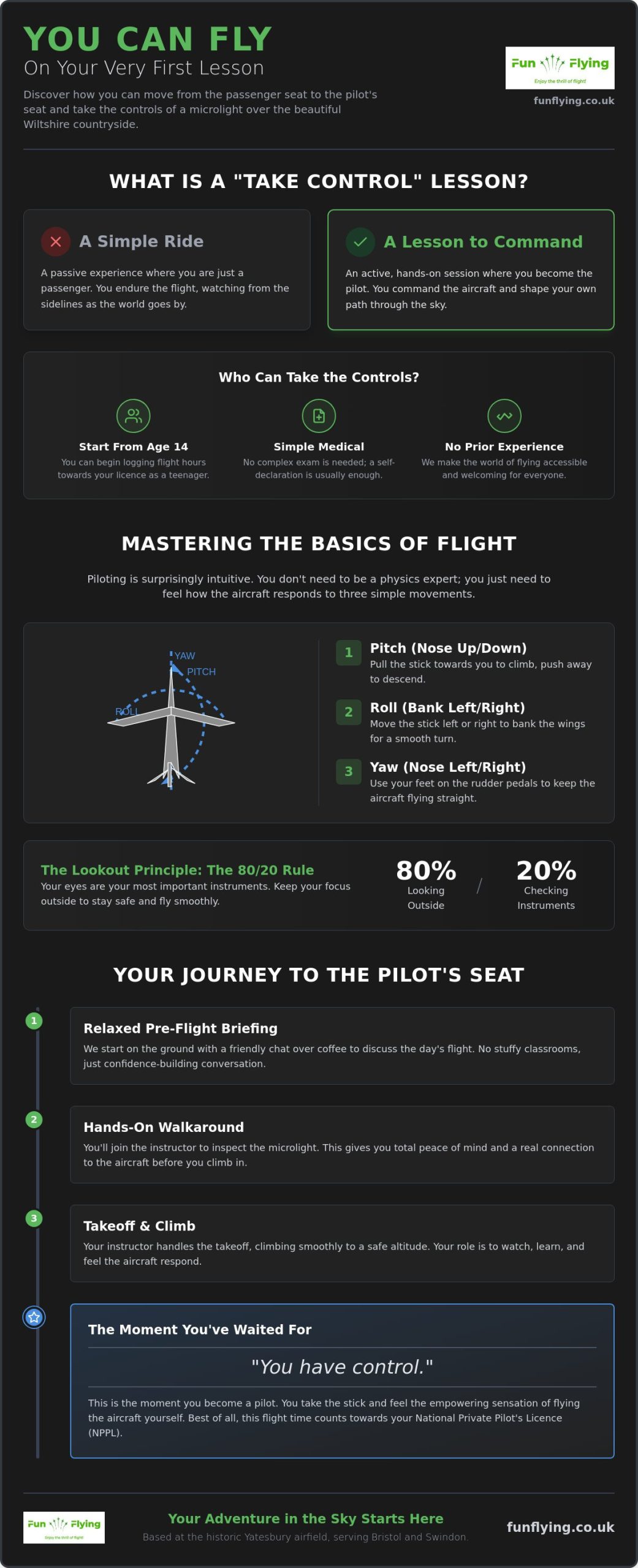
You might be surprised by how inclusive this sport is amongst people of all backgrounds. In the UK, you can begin logging flight hours towards a licence from the age of 14. There’s no need for a complex medical exam either; a simple self-declaration on the CAA website is usually enough. Whether you’re a teenager dreaming of the clouds or a retiree looking for a new adventure, no prior technical knowledge is required to begin. We specialise in making the elite world of flying feel like home for everyone.

Mastering the Basics: Pitch, Roll, and Yaw Explained

Flying isn’t just about left and right; it’s about mastering the third dimension. When you sit in the cockpit at Yatesbury, you’ll quickly realise that the aircraft moves through three distinct axes. To fly a microlight on your first lesson, you don’t need to be a physics expert. You just need to feel how the aircraft breathes with the wind. We focus on making these movements feel like second nature from the moment you take the stick.

The three axes are pitch, roll, and yaw. Pitch is the movement of the aircraft’s nose up or down, controlled by moving the elevators on the tail. By gently pulling the stick towards you, the nose rises to meet the clouds. Pushing it away makes the nose dip towards the horizon. Roll allows you to bank the wings, which is how we initiate a smooth, graceful turn. Finally, yaw is controlled by your feet on the rudder pedals, ensuring the aircraft stays straight and coordinated during flight.

The Intuitive Nature of Microlight Controls

Most of our students prefer three-axis microlights because they feel remarkably similar to a small aeroplane. The controls are incredibly tactile; you can actually feel the air resistance through the stick. This feedback tells you exactly how the plane is behaving. While different countries have varying rules for Pilot Licensing for Microlights, the physical joy of handling the controls remains a universal thrill. It’s much simpler than most people expect.

The “Lookout” Principle

Your eyes are the most vital instruments in the cockpit. We teach the 80/20 rule: spend 80% of your time looking outside at the horizon and only 20% checking the dashboard. This keeps you safe and helps you maintain a level flight path whilst performing your first manoeuvres. If you’re ready to feel that horizon tilt under your command, you can explore our Microlight license training options to see where your journey could lead.

Your First Lesson: A Step-by-Step Guide to Taking the Controls

Your journey begins at our historic Yatesbury airfield with a relaxed, face-to-face briefing. We don’t do stuffy classrooms; we talk through the day’s weather and the aircraft’s behaviour over a coffee. It’s about setting the stage for success. You’ll learn exactly what we’re going to do in the air so there are no surprises, only excitement. This isn’t just a demonstration. It’s a structured session designed to build your confidence from the ground up.

The Pre-Flight Walkaround

Before we leave the grass, we perform a thorough walkaround. This is where you’ll see why microlights are such a joy for beginners. Every component is accessible and visible. We check the fuel, the engine, and the airframe together, following the high standards of the British Microlight Aircraft Association. It provides total peace of mind. Once you’re strapped in and your headset is adjusted, you’ll feel the hum of the engine and the anticipation of what’s to come.

The transition from observer to pilot happens sooner than you think. Once we reach a safe altitude, your instructor will offer the controls. When you hear the words “you have control,” you’ll respond and take charge. This is the exact moment you fly a microlight on your first lesson. It’s an empowering, visceral sensation that stays with you long after you land. You aren’t just sitting there; you’re the one making the wings move.

In-Air Exercises for Beginners

We start with straight and level flight. You’ll learn to use the “trim” control, which takes the pressure off the stick and allows the plane to fly itself. It’s a revelation. You’ll notice the aircraft responds to your smallest touch. We’ll then move to gentle turns, banking over the Wiltshire landscape and seeing the world from a completely new perspective. It’s not just about steering. It’s about feeling the air and finding your rhythm.

After landing, we’ll head back to the clubroom for a debrief. We’ll celebrate your progress and, most importantly, log your very first flight hour in your personal logbook. Ready to make it official? Book one of our Trial Flights today and take that first step into the sky.
Hands-on Flying Lessons: How to Fly a Microlight on Your First Lesson

Start Your Aviation Journey at the Wiltshire Microlight Centre

Choosing where to begin your flying career is just as vital as the flight itself. Yatesbury is more than just a strip of grass; it’s a historic airfield that offers some of the most unrestricted, beautiful airspace in the South West. At Fun Flying Aviation Ltd, we pride ourselves on a non-intimidating atmosphere where the elite barriers of aviation are stripped away. We operate six days a week to ensure that your dream of taking to the skies fits perfectly around your career and family life.

Whether you start with one of our Experience Flights or jump straight into a full training course, we provide a clear, structured path. Every minute you spend in the air counts towards your National Private Pilot’s Licence (NPPL). It’s incredibly rewarding to see your logbook grow from that very first entry. Our instructors are specialists in NPPL training, ensuring you receive professional guidance with a friendly, hands-on approach from day one.

Flying Over Historic Wiltshire

The view from a microlight is unlike anything else. You’ll soar over the rolling downs and might even spot the famous Cherhill White Horse carved into the hillside. Because we’re perfectly positioned near the M4, we’re the premier choice for students coming from Swindon, Bristol, and Newbury. Depending on your preference for adventure, you can choose between the wind-in-your-face thrill of an open-cockpit aircraft or the refined comfort of an enclosed cabin. Both options allow you to fly a microlight on your first lesson whilst soaking in the Wiltshire scenery.

Booking Your First Lesson

Getting started is simple. You can purchase a voucher for a loved one or book a direct slot for yourself at a time that suits your schedule. For your first flight, we recommend wearing comfortable, windproof layers and sturdy shoes; even on warm days, it can get chilly as we climb. There’s no need for expensive gear or prior experience. If you have questions about the medical self-declaration or the five ground exams, don’t hesitate to contact us for a no-obligation chat. We’re here to make sure you feel ready and excited to take the controls.

Take the Leap and Claim Your Seat in the Cockpit

The dream of flight is far closer than you think. You’ve discovered that aviation isn’t a complex mystery reserved for the few; it’s a vibrant, accessible hobby that welcomes anyone with a sense of adventure. From mastering the intuitive basics of pitch and roll to the incredible moment you hear “you have control,” your journey into the clouds starts with a single step. There is nothing quite like the feeling of autonomy as you fly a microlight on your first lesson, looking out over the historic Wiltshire landscape.

At FunFlying Aviation Ltd, we provide more than just a flight; we offer a community. With our professional CAA-qualified instructors and a base at the historic Yatesbury airfield, you’re in the best possible hands. Whether you want a one-off thrill or a structured path toward your NPPL licence, we make the process simple and exhilarating. Don’t let another day pass just watching the horizon from the ground. Book your hands-on microlight lesson with us today! The sky is waiting, and we can’t wait to help you conquer it.

Frequently Asked Questions

Do I need any previous experience to fly a microlight on my first lesson?

You don’t need any prior aviation experience or technical knowledge to take to the skies. Our trial flights are specifically designed to introduce newcomers to the joy of flight from the very beginning. Your instructor handles the complex procedures like take-off and landing, leaving you free to focus on the pure sensation of handling the aircraft once we’re at a safe altitude.

Will I actually be allowed to steer the aircraft myself?

Yes, you’ll be encouraged to take the controls yourself under the close supervision of your instructor. The entire purpose of the session is to ensure you fly a microlight on your first lesson rather than just sitting back as a passenger. You’ll get a genuine feel for the aircraft as you perform gentle turns and maintain level flight over the Wiltshire countryside.

What happens if I make a mistake while holding the controls?

There’s no need to worry because your instructor has a full set of dual controls and can take over instantly. It’s very similar to a driving lesson where the teacher has their own set of pedals—a safety-first approach also used by Wimbledon Driving School for their road lessons. We’ll guide your movements and keep the aircraft within a safe flight path, allowing you to explore the controls with total peace of mind and confidence.

Are there any physical or age limits for taking a microlight lesson in the UK?

In the UK, you can begin logging flight hours towards a licence from the age of 14. While there’s no official upper age limit, you should be in generally good health and able to climb into the cockpit. Most microlights have a maximum seat weight limit, often around 110kg or 17 stone, so it’s always a good idea to check with us before you book your session.

Can I count the time from my first trial flight towards my pilot licence?

Absolutely, your very first flight counts as official training time toward your National Private Pilot’s Licence. Because our lessons are conducted by professional instructors at the historic Yatesbury airfield, you can log that first hour in your personal pilot’s logbook. It’s a fantastic way to start your aviation journey whilst experiencing the thrill of being at the controls for the first time.

Is microlight flying safe compared to traditional light aircraft?

Microlighting is remarkably safe and is governed by the same strict UK aviation regulations as larger aeroplanes. Modern microlights are built with high-tech materials and are often more agile than traditional light aircraft. Because they are lighter, they have lower stall speeds and can land safely in much shorter distances, making them a practical and secure choice for recreational pilots.
Marce Colucci

Article by

Marce Colucci

Love to fly, and more importantly, love teaching others to fly.

Pack, Tow, and Go: The Big Benefits of Portable Microlight Aircraft!

Pack, Tow, and Go: The Big Benefits of Portable Microlight Aircraft!

Forget everything you know about bulky aircraft and sky-high costs. Imagine a portable microlight that folds neatly, fits in your driveway, and gets you airborne without the fuss of hangar fees or complicated storage. At Fun Flying Aviation, we make flying more accessible with transportable microlights designed for freedom, affordability, and pure joy. Ready to cut the hassle and soar on your terms? Here are more insights into why flying small aircraft is the way to go!

Freedom to Fly

Imagine feeling the wind rush past as you take to the skies, free from the constraints of traditional aviation. With portable microlights, you can enjoy this freedom, making flying an achievable dream.

Portable Microlight Joy

Flying should be about joy, not hassle. With a portable microlight, you get the thrill of aviation without cumbersome logistics. These lightweight aircraft fit snugly in your driveway, saving you from the maze of hangar fees and waiting lists. Imagine packing your microlight for a weekend escape, unfolding it on a sunny hillside, and soaring high above the landscape. The Minifox SSDR, for example, offers an exhilarating experience that starts the moment you open the wings. Owning one means you’re not just flying; you’re embracing freedom. Most people think flying is exclusive, but with a microlight, it’s for everyone.

No Hangarage Needed

No more scrambling to find storage space. A microlight aircraft eliminates hefty hangar costs, making it a practical choice for aviation enthusiasts. The sub-70 microlight class, like the Minifox, is designed for easy storage. You’re not tied down by the usual restrictions of larger planes. Instead, you enjoy the flexibility of keeping your aircraft right at home. Imagine the convenience of preparing for a flight without leaving your property. Needing a hangar is yesterday’s problem.

Store at Home Aircraft

Having an aircraft you can store at home changes the game. The folding wings feature of microlights means they fit comfortably in your garage. This innovation lets you avoid traditional storage constraints, giving you more time to focus on flying. Imagine waking up, deciding to fly, and having your aircraft ready without delay. This level of convenience is unmatched. The longer you wait to try it, the more you’re missing out on this revolutionary approach to flying.

Cost-Effective Adventures

Flying doesn’t have to break the bank. With cost-effective solutions, you can embark on adventures that don’t strain your budget. Microlights offer a new way to experience the world.

Affordable Flight Training

Learning to fly should be accessible to everyone. At Fun Flying Aviation, we offer affordable flight training that puts you in the pilot’s seat without the financial stress. Our courses are designed to be comprehensive yet wallet-friendly, giving you the skills needed to navigate the skies confidently. Most people think flight training is expensive and exclusive, but it doesn’t have to be. Just imagine the thrill of taking your first solo flight, knowing you got there without overspending.

Cutting Costs with Minifox SSDR

Owning an aircraft shouldn’t be just a dream. The Minifox SSDR microlight makes it a reality with its low operation costs. With no ongoing permit fees, this aircraft is perfect for those looking to fly affordably. It offers a minimalist flying experience that’s both thrilling and economical. Imagine cruising at 55MPH with the open sky above and knowing your adventure didn’t empty your pockets. The affordability of the Minifox allows you to focus on what truly matters: the joy of flying.

Trial Flight Microlight Offers

Curious about microlights but not ready to commit? Our trial flight microlight offers let you experience the excitement firsthand. These sessions are perfect for budding pilots eager to taste the skies. For a fraction of the cost of typical flight experiences, you can see if this is the right fit for you. Imagine the thrill of your first takeoff and the view you’ll get from above. There’s nothing quite like the exhilaration of flying a microlight to kickstart your aviation journey.

Quick and Easy Takeoff

A smooth takeoff is the heart of any flight. With our microlights, getting airborne is an effortless process, allowing you to enjoy your flying time to the fullest.

Folding Wings Convenience

The ingenuity of folding wings can’t be overstated. They make your aircraft compact and easy to transport. Gone are the days of needing large trailers or special equipment. You can quickly pack your microlight for a spontaneous getaway or a day trip to a nearby airfield. Most people assume aircraft are cumbersome, but folding wings ensure your plane is ready to go when you are. This design feature is a game-changer, putting convenience front and centre.

Ready with the EOS Quattro 4-Stroke

When it comes to engines, reliability is key. The EOS Quattro 4-Stroke offers just that with its robust performance and low maintenance needs. This engine provides a seamless flight experience, ensuring you spend more time in the air and less time dealing with technical hiccups. Imagine powering up your microlight and taking off with confidence, knowing you have a trusted engine beneath you. This 4-stroke microlight engine is perfect for pilots who value both performance and peace of mind.

Join the Microlight Community

Flying is more than an individual pursuit; it’s about being part of something bigger. By choosing a microlight, you join a vibrant microlight community of like-minded enthusiasts. Share tips, stories, and adventures with fellow pilots. This community is passionate, welcoming, and always ready to help newcomers. Imagine swapping stories after a weekend fly-out or learning new skills from seasoned flyers. The camaraderie found here enhances every aspect of your flying experience. The journey is as much about the people you meet as it is the places you go.

✈️🌍🎉

For more insights on the benefits of flying your own plane, check out this article.

Get in touch today to find out more

Exploring the UK from Above: Discover the Best Scenic Routes for Microlight Flying!

Forget the usual crowded skies and pricey aircraft—microlight flying opens a fresh window to explore the UK’s stunning landscapes like never before! Picture soaring above rolling hills, winding rivers, and ancient castles in a FunFlying aircraft that’s easy on your wallet and light on your licence worries. Ready to uncover the best UK scenic routes that bring adventure and freedom together? Let’s chart your next flight adventure! Check out this link for more inspiration.

Discovering Iconic UK Scenic Routes

Ready to take your flight adventure to new heights? Let’s dive into some of the UK’s most picturesque skies where every turn reveals a new wonder.

Soar Over the Scottish Highlands

Flying over the Scottish Highlands is like stepping into a dream. Picture this: rugged mountains, shimmering lochs, and ancient castles peeking through the mist. As you glide through the air, the vast expanse below feels like a canvas painted with every shade of green imaginable. The Highlands offer a unique blend of history and natural beauty that’s hard to match.

Imagine catching a glimpse of Ben Nevis or tracing the curves of Loch Ness from above. These are views that many can only dream of, but with a microlight, they’re within your reach. Remember, the Scottish weather can be unpredictable, so always check forecasts and fly prepared. A trip through the Highlands promises an unforgettable experience where nature’s grandeur meets human history.

Explore the Beauty of the Lake District

The Lake District is a gem waiting to be explored from the sky. With its stunning lakes and rolling hills, this region is a paradise for pilots. As you fly over, you’ll see how the land and water intertwine to create breathtaking patterns only visible from your unique vantage point.

Envision hovering above Windermere, the largest lake in England, or tracing the edges of Scafell Pike, the country’s highest peak. In a microlight, you have the freedom to explore these areas like never before. The Lake District is a haven for those seeking serenity and natural beauty. Be sure to experience this idyllic landscape, where every flight brings a new story to tell.

The Joy of Microlight Flying

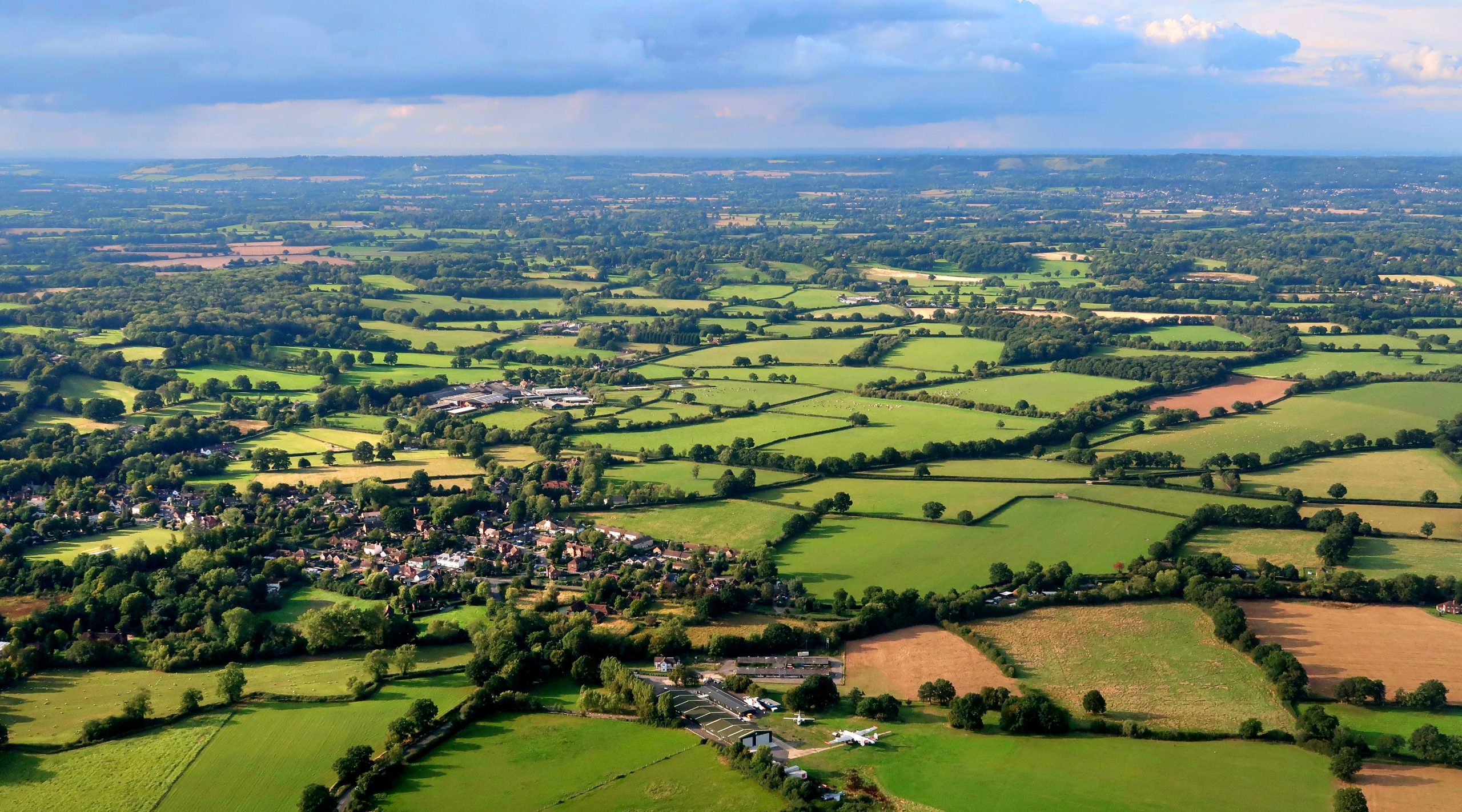
English Countryside from the air

Now that you’re excited about the scenic routes, let’s explore why microlight flying is the perfect choice for such adventures. It’s not just about the views; it’s about the experience!

Affordable Microlight Adventures

Flying doesn’t have to break the bank. With FunFlying’s affordable microlight options, you can enjoy the thrill of aviation without worrying about high costs. Our aircraft are designed with budget-conscious flyers in mind, offering a cost-effective way to take to the skies.

Imagine yourself owning a piece of the sky, exploring the UK’s scenic routes without the hefty expenses of traditional aviation. Our microlight aircraft provide a unique blend of affordability and adventure, making your flying dreams a reality. Say goodbye to costly licences and permits, and hello to freedom and exploration.

The Freedom of Sub-70 & SSDR Aircraft

For those seeking even more flexibility, sub-70 and SSDR aircraft offer unparalleled freedom. These lightweight machines are easy to transport and don’t require hangar space. With these super-light, super-portable aircraft, you can embark on spontaneous adventures whenever the mood strikes.

Picture yourself packing up your aircraft with ease and setting off to discover a new destination at a moment’s notice. The easy portability of these microlight aircraft means you can explore remote areas that larger aircraft can’t reach. This freedom is all about embracing the joy of flight without constraints, making each journey as exciting as the last.

Join the Aviation Community

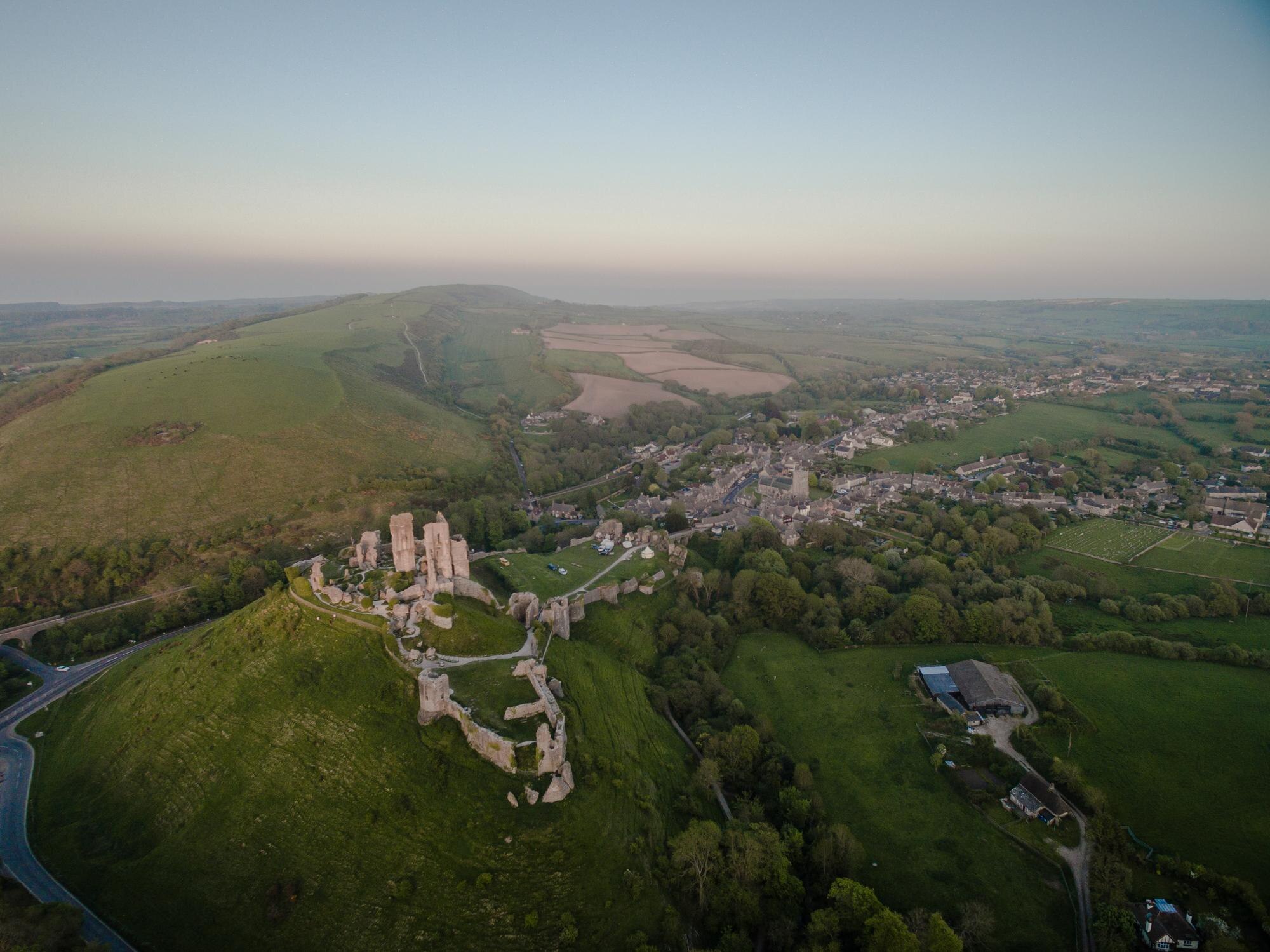
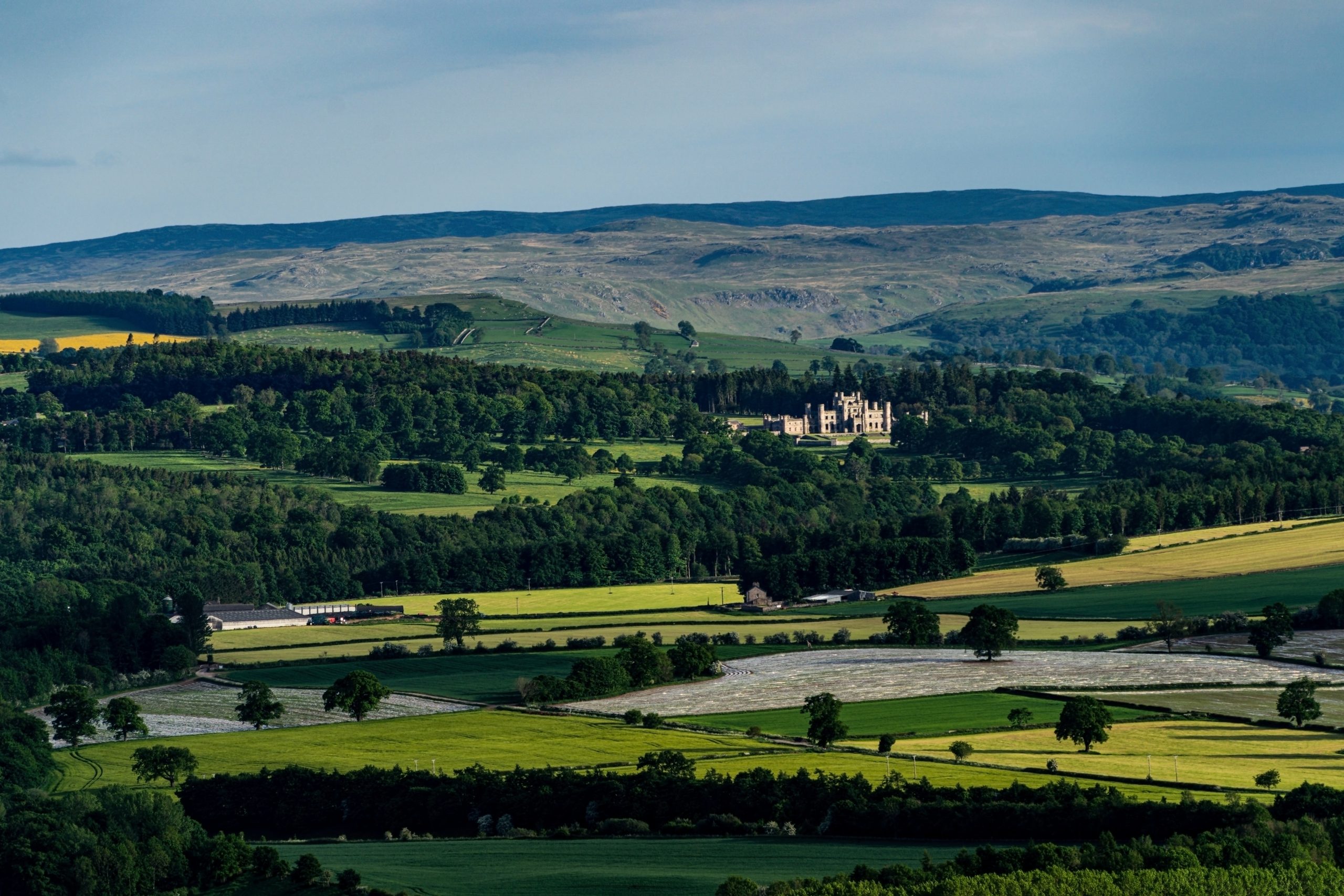
A view from Penrith Beacon looking towards Lowther Castle

Flying is more than just a solitary experience; it’s a way to connect with like-minded enthusiasts who share your passion. Let’s delve into the vibrant community that awaits you.

Share Your Flight Adventure Stories

Every flight is a story waiting to be told. Share your experiences with others and inspire them to take to the skies. Whether it’s a breathtaking route over the Highlands or a serene glide over the Lake District, your stories can ignite the passion for flight in others.

Capture your adventures with photos or videos and contribute to online forums or social media groups. By sharing your journey, you’re not only preserving memories but also building a network with fellow flyers. Your stories might just be the spark someone needs to start their own aviation adventure.

Connect with Fellow Enthusiasts

Being part of the aviation community means surrounding yourself with people who understand your love for flying. Attend events, join clubs, and participate in fly-ins to meet fellow enthusiasts. The connections you make will enrich your flying experience and provide support and camaraderie.

Imagine discussing your latest flight over a cup of coffee or planning a group expedition to a new destination. The friendships you build in this community can last a lifetime, offering both personal and professional growth. By connecting with others, you become part of something bigger—a shared passion for the freedom and adventure of flight.

By embracing microlight flying, you’re not just exploring the UK’s scenic routes; you’re joining a community of adventurers who share your enthusiasm for the sky. With each flight, you uncover new landscapes and forge connections that enhance your journey. So, what are you waiting for? It’s time to spread your wings and discover the thrill of microlight flying!

Share some of your best touring experiences with our community of pilots. Tell us what aircraft you flew and what was the best part of the journey. You may inspire others to follow in your footsteps or forge new routes for us to explore!

How Important Is Doing a Thorough DI?

He hadn’t expected this day to end like it did when he boarded his aircraft for just a short flight for a bit of fun around the local area.  But what happened in the next few minutes could have changed his life and the lives of those around him forever.

Doing a full and thorough DI (Daily Inspection) on my aircraft, has been drilled into me from the first day I started flying.  It was never fully explained why this is needed and exactly what to look for, but as time went on, I picked up little tips from other pilots.  And learned of some of their close calls that could have been averted if a full DI had been done. 

The significance of this has become more and more relevant to me over the years, and it has now become almost an obsession, especially if I haven’t flown for a while.  Those of you who understand know what I mean.  I sometimes find myself doubting whether I have done enough before I get in my aircraft and start the flight. 

This was driven home recently when we were called to do some repairs and maintenance on one of our customer’s aircraft.  The lucky pilot had taken his SSDR out of its hangar for a short pleasure flight around the local area like he had done several times before.  We don’t know exactly what inspection was done, but what happened after take-off can only be described as a miracle.

The pilot experienced partial power loss (a topic for another day) immediately after the plane lifted off.  Thinking it was just a momentary thing, he continued to try and climb only to have the engine continue with partial power.  The pilot was confronted with just one option – put the plane into a row of trees only 200 metres from the end of his runway. Fortunately, he was unharmed and was able to walk away from the accident only being very shaken up.

The plane didn’t fair quite as well, with 2 broken wing struts and some bent struts on the tailplane.  And that was just for starters.

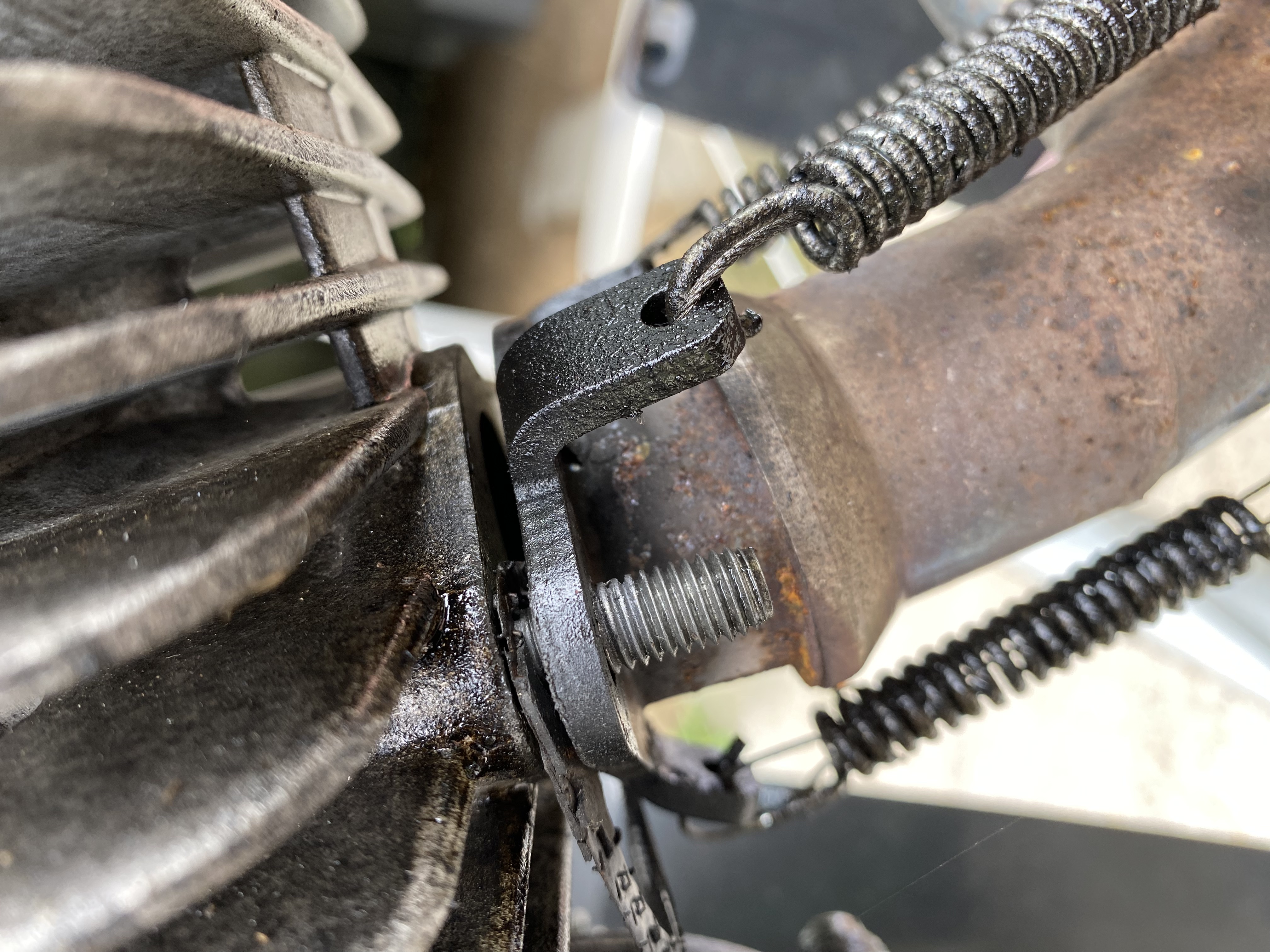
When we arrived a few weeks later to assess the damage to start the repairs, we found something very disturbing.  The picture below shows the exhaust manifold hanging precariously from the 2-stroke engine, with just one bolt partially secured.  The second bolt was inserted but had nothing holding it on.  This left a huge gapping opening in the exhaust, which would have contributed significantly to the power loss.

Note the missing manifold bolt and gap

How it got to this state we will never know.  Was it caused by the crash, or did it contribute to the crash?  Given the amount of oil on the prop, the exhaust and fuselage of the aircraft, the suspicion is that it was like this before the flight and the power loss was a direct result of it.  Given that the aircraft left the ground at all is a miracle in itself.

Could a thorough DI have picked up the problem?  If we are thorough with our inspections and look for anything and everything that could be out of place, then probably yes.  Will our DI pick up everything?  Probably not, but they should ensure that gross problems like this are detected while we are still safe on the ground.

Why not share with us what steps you take before each flight to ensure your aircraft if fit to fly?  What are the “non-negotiable” areas you check before each flight?

Your comments and suggestions could help save a disaster from happening to someone else.

Verified by ExactMetrics